
Introduction to Streamlining Highway Travel with FASTag Payments
Highway travel in recent years has seen a significant transformation with the introduction of electronic toll collection systems, notably the FASTag program. Implemented to reduce congestion at toll booths and make travel more efficient, FASTag has become a crucial component of the highway travel experience. As of the current year, 2025, the adaptation and integration of FASTag payments have been widely recognized for their benefits in streamlining highway travel. This article delves into the world of FASTag payments, exploring their mechanism, benefits, and the impact they have on the daily commute and long-distance travel.
Understanding FASTag Payments
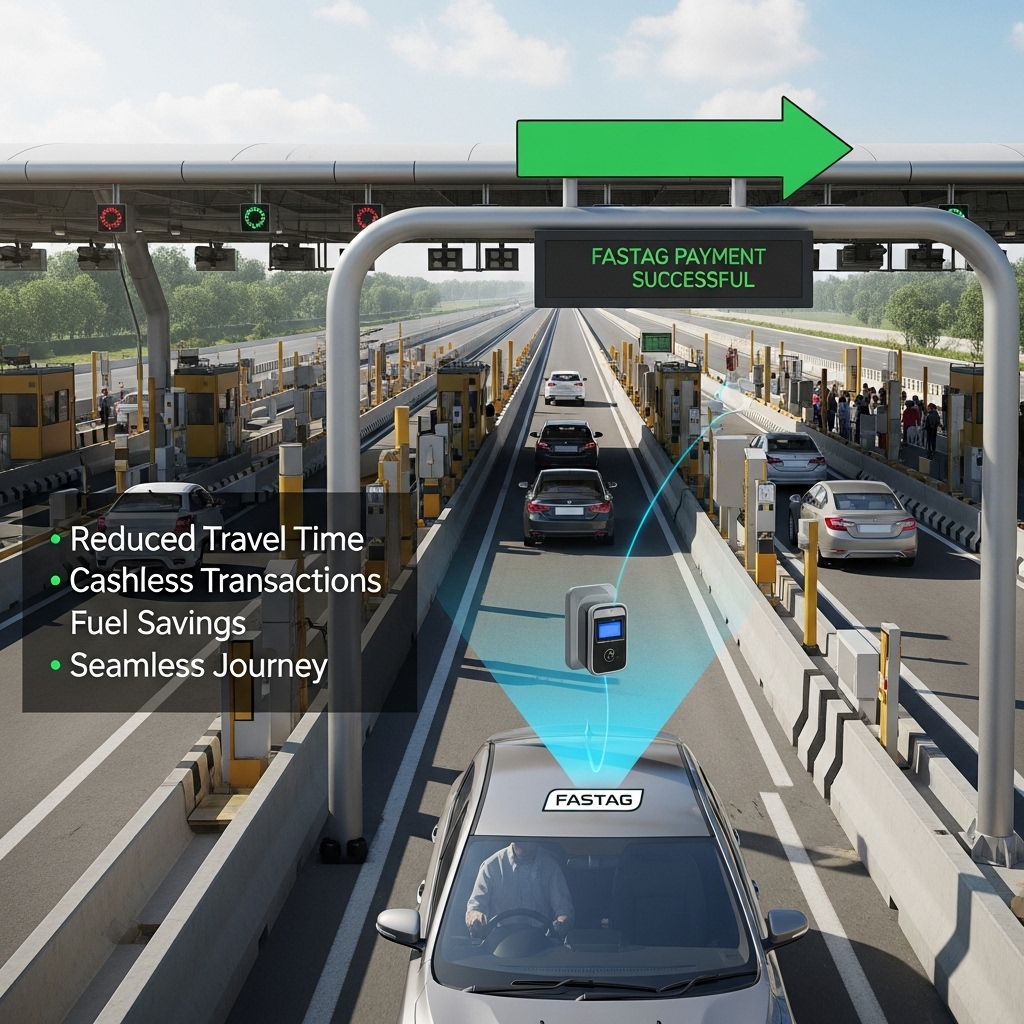
FASTag is an electronic toll collection system operated by the Indian Highways Management Company Limited (IHMCL) and the National Highways Authority of India (NHAI). It uses Radio Frequency Identification (RFID) technology to enable automatic deduction of toll charges from the user's account when their vehicle passes through a toll plaza. The system is designed to minimize waiting times at toll booths, thereby reducing traffic congestion and pollution. To use FASTag, vehicle owners must purchase and affix a FASTag sticker to their vehicle's windshield. The sticker contains a microchip and an antenna, which communicate with the toll plaza's RFID reader to process the payment.
How to Obtain and Use FASTag
Obtaining a FASTag is a straightforward process that can be completed online through various banking and financial institutions' websites or through mobile apps. Users are required to provide vehicle details and KYC (Know Your Customer) documents, and then they can recharge their FASTag account as needed. The recharging process is also quite simple and can be done online or through mobile apps. For example, users can link their credit or debit cards to their FASTag accounts for automatic recharge when the balance falls below a certain threshold. This ensures seamless travel without the need to stop at toll plazas for cash transactions.
Benefits of FASTag Payments
The introduction of FASTag payments has brought about several benefits for highway travelers. One of the most significant advantages is the reduction in travel time. With FASTag, vehicles can pass through toll plazas without stopping, which not only saves time but also reduces fuel consumption and lowers the emission of pollutants. Additionally, FASTag promotes cashless transactions, reducing the risk of cash handling and the need to carry exact change for tolls. The digital payment system also provides a clear, itemized record of all toll payments, making it easier for users to track their expenses. For instance, businesses with fleet operations can easily monitor and manage toll expenses for their vehicles, streamlining their financial management.
FASTag and Highway Infrastructure Development
The revenue collected through FASTag payments contributes significantly to the development and maintenance of highway infrastructure. The NHAI uses a portion of the toll revenue to fund new highway projects, improve existing roads, and enhance safety features along the highways. This investment in infrastructure leads to better road conditions, reduced travel times, and improved safety for all road users. Furthermore, the data collected from FASTag transactions can help in planning and optimizing traffic flow, allowing for more efficient use of the existing highway network and informing future infrastructure development projects.
Challenges and Future Developments
Despite the numerous benefits of FASTag, there are challenges that need to be addressed. One of the primary concerns is the interoperability of FASTag across different toll plazas and states, ensuring that a FASTag purchased from one issuer can be used universally. The NHAI and IHMCL have been working to standardize the system and expand its coverage to include more toll plazas. Another challenge is the awareness and adoption rate among vehicle owners, particularly in rural areas. To combat this, awareness campaigns and simplified registration processes have been implemented. Looking to the future, there are plans to integrate FASTag with other services such as parking and fuel payments, creating a comprehensive travel solution.
Conclusion: The Future of Highway Travel with FASTag
In conclusion, FASTag payments have revolutionized the highway travel experience by providing a seamless, efficient, and cashless toll payment system. The benefits of reduced travel times, decreased congestion, and enhanced user convenience are evident. As the system continues to evolve with technological advancements and expanded coverage, it is expected to play a crucial role in shaping the future of highway travel. With ongoing efforts to address existing challenges and integrate FASTag with other travel services, the potential for further streamlining highway travel and contributing to the development of sustainable and efficient transportation infrastructure is vast. As we move forward in 2025 and beyond, the impact of FASTag on the travel industry and the environment will undoubtedly be significant, marking a new era in highway travel.