
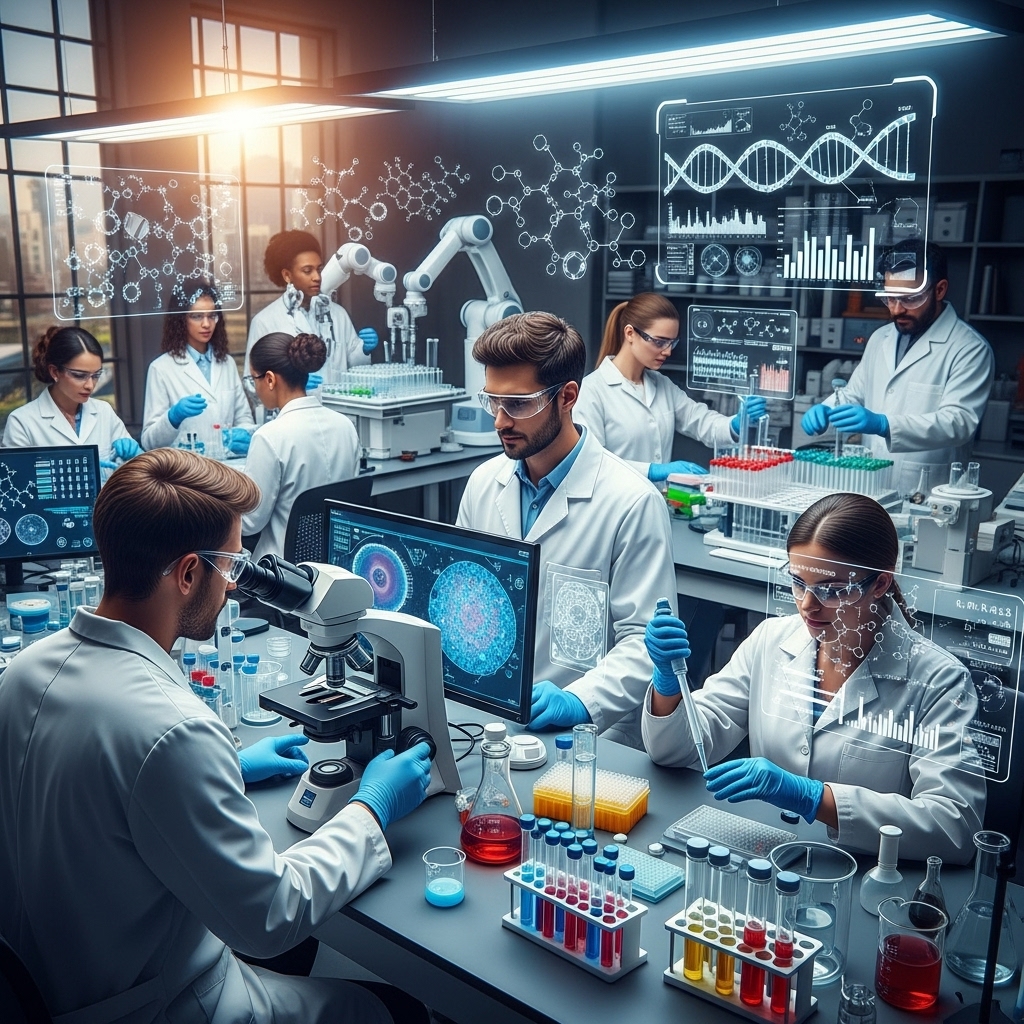
Introduction to Pharmacology and Therapeutic Innovations
Pharmacology, the science of drugs and their interactions with living organisms, has been a cornerstone of medical science for centuries. The field has witnessed tremendous growth and evolution, driven by advances in technology, a deeper understanding of human biology, and the pressing need for effective treatments against emerging and existing diseases. This article delves into the frontiers of pharmacology and therapeutic innovations, highlighting recent breakthroughs, challenges, and future directions in the pursuit of better healthcare outcomes.
Understanding Pharmacology: Basics and Recent Advances
At its core, pharmacology involves the study of the chemical and pharmacological aspects of bioactive molecules, including their composition, properties, and biological effects. Recent advances in pharmacology have been significantly influenced by genomics, proteomics, and other omics technologies, allowing for a more personalized approach to medicine. For instance, pharmacogenomics, the study of how genes affect a person's response to drugs, has opened up new avenues for tailored therapies that maximize efficacy while minimizing adverse effects.
Therapeutic Innovations: New Drug Targets and Technologies
The development of new therapeutic innovations is a complex, multidisciplinary endeavor that involves not only the discovery of new drug targets but also the application of cutting-edge technologies to improve drug delivery, efficacy, and safety. Gene therapy, for example, represents a revolutionary approach where genes are used as drugs to prevent or treat diseases. Moreover, advancements in nanotechnology have led to the creation of nanoparticles that can selectively target diseased cells, reducing side effects and improving the therapeutic index of drugs.
Personalized Medicine: A New Era in Healthcare
One of the most significant trends in pharmacology and therapeutic innovations is the move towards personalized medicine. This approach recognizes that each patient's genetic makeup, environmental exposures, and lifestyle can influence their response to medications. By tailoring treatment strategies to the individual, healthcare providers can enhance treatment outcomes and reduce the risk of adverse reactions. For example, in the treatment of certain cancers, genetic testing can identify specific mutations that predict responsiveness to targeted therapies, allowing for more effective and less toxic treatments.
Challenges and Future Directions in Pharmacology Research
Despite the progress made in pharmacology and therapeutic innovations, numerous challenges remain. The development of antimicrobial resistance, the high cost and time-consuming nature of drug development, and the need for more effective treatments for complex diseases like Alzheimer's and Parkinson's are just a few of the hurdles that researchers and clinicians face. Future directions in pharmacology research are likely to involve a greater emphasis on interdisciplinary collaboration, the integration of artificial intelligence and machine learning into drug discovery and development, and a continued focus on personalized and precision medicine.
Case Studies: Success Stories in Pharmacology and Therapeutic Innovations
Several recent breakthroughs in pharmacology and therapeutic innovations underscore the potential of these fields to transform healthcare. For instance, the development of immunotherapies for cancer has led to significant improvements in survival rates for certain types of tumors. Similarly, the approval of new antiviral drugs for hepatitis C has essentially transformed a once chronic and debilitating disease into a curable condition. These success stories not only highlight the power of pharmacological research but also underscore the importance of continued investment in biomedical science.
Conclusion: Unlocking the Future of Pharmacology and Therapeutic Innovations
In conclusion, the frontiers of pharmacology and therapeutic innovations hold immense promise for addressing some of humanity's most pressing health challenges. As research continues to uncover the complexities of human biology and disease, and as new technologies emerge to facilitate drug discovery and development, the potential for breakthroughs in pharmacology and therapeutic innovations is vast. By embracing this potential and working collaboratively across disciplines and borders, we can unlock the future of healthcare, leading to better, more effective treatments and improved quality of life for individuals around the world.