
Introduction to Wilderness Survival in Extreme Cold
Surviving in extreme cold weather conditions can be a daunting task, especially when venturing into the wilderness. The human body is adapted to function optimally at a narrow range of temperatures, and prolonged exposure to cold can lead to hypothermia, frostbite, and even death. However, with the right knowledge and skills, it is possible to survive and even thrive in extreme cold weather conditions. In this article, we will explore the essential wilderness survival techniques for extreme cold weather, including preparation, clothing, shelter, fire starting, and signaling for help.
Preparation is Key
Before venturing into the wilderness, it is essential to prepare yourself for the extreme cold. This includes checking the weather forecast, dressing in layers, and bringing essential gear such as a first aid kit, a map, and a compass. It is also crucial to let someone know your itinerary and expected return time. Additionally, it is vital to be in good physical condition and to acclimatize yourself to the cold weather by gradually increasing your exposure to it. For example, if you are planning to go on a winter camping trip, start by taking short walks in the cold weather and gradually increase the duration and intensity of your activities.
Clothing and Layering
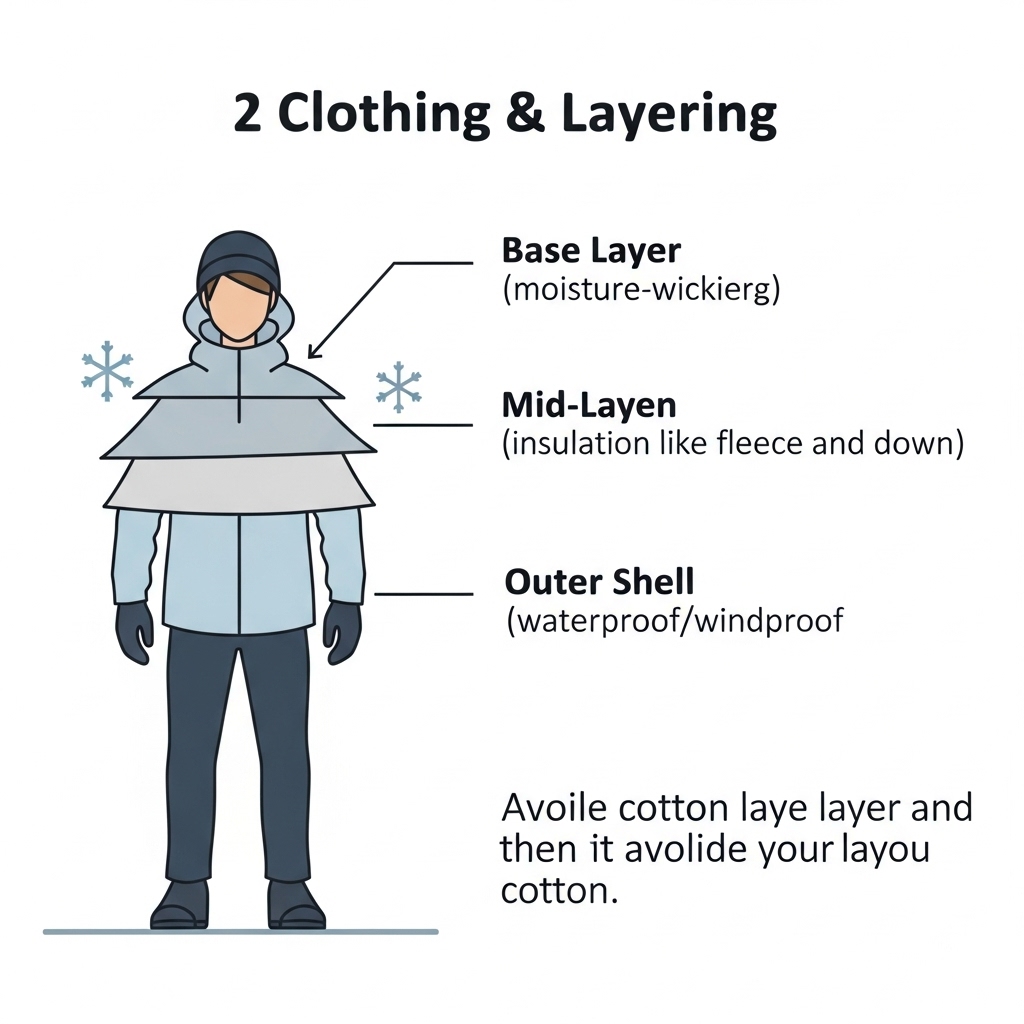
Clothing is a critical aspect of wilderness survival in extreme cold weather. The key is to dress in layers, which allows you to adjust your clothing to suit the changing conditions. A good layering system consists of a base layer, a mid-layer, and an outer layer. The base layer should be made of a moisture-wicking material such as merino wool or synthetic fabrics, which will help to keep you dry and warm. The mid-layer should be made of a insulating material such as fleece or down, which will help to trap warm air and keep you warm. The outer layer should be made of a waterproof and breathable material such as Gore-Tex or similar technology, which will help to protect you from wind and precipitation. For example, a good layering system for extreme cold weather could consist of a merino wool base layer, a fleece mid-layer, and a Gore-Tex outer layer.
Shelter and Protection from the Elements
Having a good shelter is essential for surviving in extreme cold weather. A shelter will help to protect you from wind, precipitation, and cold temperatures. There are several types of shelters that you can use, including tents, snow shelters, and lean-tos. When building a shelter, it is essential to choose a location that is protected from the wind and precipitation, and to use materials that will provide good insulation. For example, if you are in a snowy environment, you can build a snow shelter using blocks of snow, or you can use a tent with a waterproof and breathable fabric. It is also essential to have a sleeping bag that is rated for extreme cold weather, and to use a sleeping pad to insulate yourself from the cold ground.
Fire Starting and Cooking
Fire is a vital component of wilderness survival, as it provides warmth, light, and a way to cook food. In extreme cold weather, it can be challenging to start a fire, but there are several techniques that you can use. These include using matches, lighters, or firestarters, as well as building a fire pit or using a portable stove. When building a fire, it is essential to choose a location that is protected from the wind, and to use dry and flammable materials. For example, you can use dry wood, kindling, and tinder to build a fire, and you can use a fire starter or matches to ignite it. It is also essential to have a way to cook your food, such as a portable stove or a camping grill, and to have a supply of warm and nutritious food.
Signaling for Help and Navigation
If you become lost or stranded in the wilderness, it is essential to have a way to signal for help. There are several techniques that you can use, including building a fire, using flares or smoke signals, and creating a visible signal such as a triangle of rocks or a brightly colored cloth. It is also essential to have a way to navigate, such as a map, a compass, and a GPS device. When navigating in extreme cold weather, it is essential to be aware of your surroundings and to use landmarks and natural features to guide you. For example, you can use the position of the sun, the shape of the trees, and the direction of the wind to navigate. It is also essential to have a supply of warm and nutritious food, and to have a way to purify water, such as a water filter or purification tablets.
Medical Considerations and Emergency Response
In extreme cold weather, there are several medical considerations that you need to be aware of, including hypothermia, frostbite, and dehydration. Hypothermia occurs when your body temperature drops below 95°F (35°C), and can be treated by providing warmth, shelter, and hydration. Frostbite occurs when your skin freezes, and can be treated by providing warmth and protection. Dehydration can occur when you lose too much water, and can be treated by drinking plenty of fluids. If you or someone in your group is experiencing any of these conditions, it is essential to seek medical attention as soon as possible. It is also essential to have a first aid kit and to know how to use the items in it, such as bandages, antiseptic wipes, and pain relievers.
Conclusion
In conclusion, surviving in extreme cold weather conditions requires a combination of preparation, knowledge, and skills. By dressing in layers, building a good shelter, starting a fire, and signaling for help, you can increase your chances of survival. It is also essential to be aware of the medical considerations and to have a plan for emergency response. With the right training and equipment, you can enjoy the beauty and challenge of the wilderness, even in extreme cold weather conditions. Remember to always be prepared, to stay aware of your surroundings, and to use your common sense and judgment to make decisions. By following these tips and techniques, you can stay safe and healthy, and enjoy the adventure of a lifetime.