
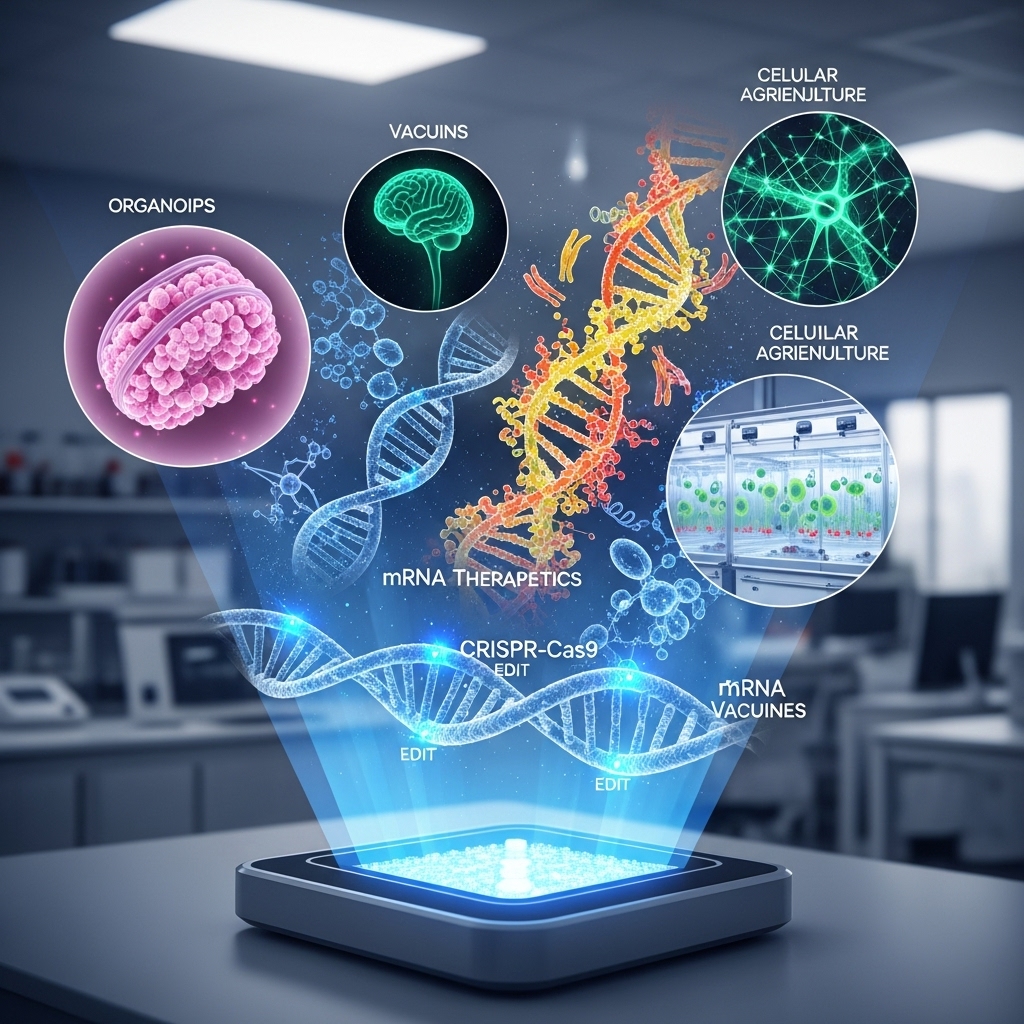
Introduction to Biotech Futures
The biotech industry has experienced tremendous growth over the past few decades, with advancements in genetic engineering, gene editing, and regenerative medicine transforming the way we approach healthcare and disease treatment. As we look to the future, it's clear that the next decade will be shaped by several key biotech advancements that will have a significant impact on our lives. In this article, we'll explore the biotech innovations that are likely to dominate the next decade, from personalized medicine to synthetic biology.
Personalized Medicine: Tailoring Treatments to the Individual
Personalized medicine, also known as precision medicine, involves tailoring medical treatments to an individual's unique genetic profile, lifestyle, and environmental factors. This approach has shown great promise in recent years, with the development of targeted therapies and companion diagnostics. In the next decade, we can expect to see further advancements in personalized medicine, including the use of artificial intelligence and machine learning to analyze genomic data and identify potential therapeutic targets. For example, companies like Foundation Medicine and Guardant Health are already using next-generation sequencing to analyze tumor samples and identify specific genetic mutations that can inform treatment decisions.
Gene Editing: The Rise of CRISPR and Beyond
Gene editing technologies like CRISPR have revolutionized the field of genetics, enabling scientists to make precise edits to the genome with unprecedented ease and efficiency. In the next decade, we can expect to see further advancements in gene editing, including the development of new technologies that can edit genes with even greater precision and specificity. For example, researchers are currently exploring the use of base editing, which allows for the direct, irreversible conversion of one DNA base to another without making a double-stranded break in the genome. This technology has the potential to treat a wide range of genetic diseases, including sickle cell anemia and muscular dystrophy.
Regenerative Medicine: Repairing and Replacing Tissues
Regenerative medicine involves the use of stem cells, tissue engineering, and other technologies to repair or replace damaged or diseased tissues. In the next decade, we can expect to see significant advancements in regenerative medicine, including the development of new therapies for conditions like heart disease, diabetes, and Parkinson's disease. For example, researchers are currently exploring the use of induced pluripotent stem cells (iPSCs) to generate functional heart cells that can be used to repair damaged heart tissue. Similarly, companies like Celavie Biosciences are developing therapies that use stem cells to promote pancreatic islet cell regeneration and treat type 1 diabetes.
Synthetic Biology: Designing New Biological Pathways
Synthetic biology involves the design and construction of new biological pathways, organisms, or biological systems. In the next decade, we can expect to see significant advancements in synthetic biology, including the development of new biofuels, bio-based chemicals, and novel therapeutics. For example, researchers are currently exploring the use of synthetic biology to develop new biofuels that can be produced from renewable biomass sources. Similarly, companies like Zymergen are using synthetic biology to develop novel therapeutics, including antibiotics and anti-cancer agents.
Microbiome Research: Unlocking the Secrets of the Microbiome
The human microbiome is a complex ecosystem of microorganisms that play a crucial role in our health and wellbeing. In the next decade, we can expect to see significant advancements in microbiome research, including the development of new therapies that target the microbiome. For example, researchers are currently exploring the use of fecal microbiota transplantation (FMT) to treat conditions like Clostridioides difficile (C. diff) infection and inflammatory bowel disease. Similarly, companies like Seres Therapeutics are developing novel therapeutics that target the microbiome and promote a healthy balance of microorganisms in the gut.
Conclusion: The Future of Biotech
In conclusion, the next decade is likely to be shaped by several key biotech advancements, from personalized medicine to synthetic biology. As these technologies continue to evolve and improve, we can expect to see significant improvements in human health and wellbeing. Whether it's the development of new therapies, the creation of novel biological pathways, or the discovery of new bio-based products, the future of biotech is bright and exciting. As we look to the future, it's clear that biotech will play an increasingly important role in shaping our world and improving our lives.