
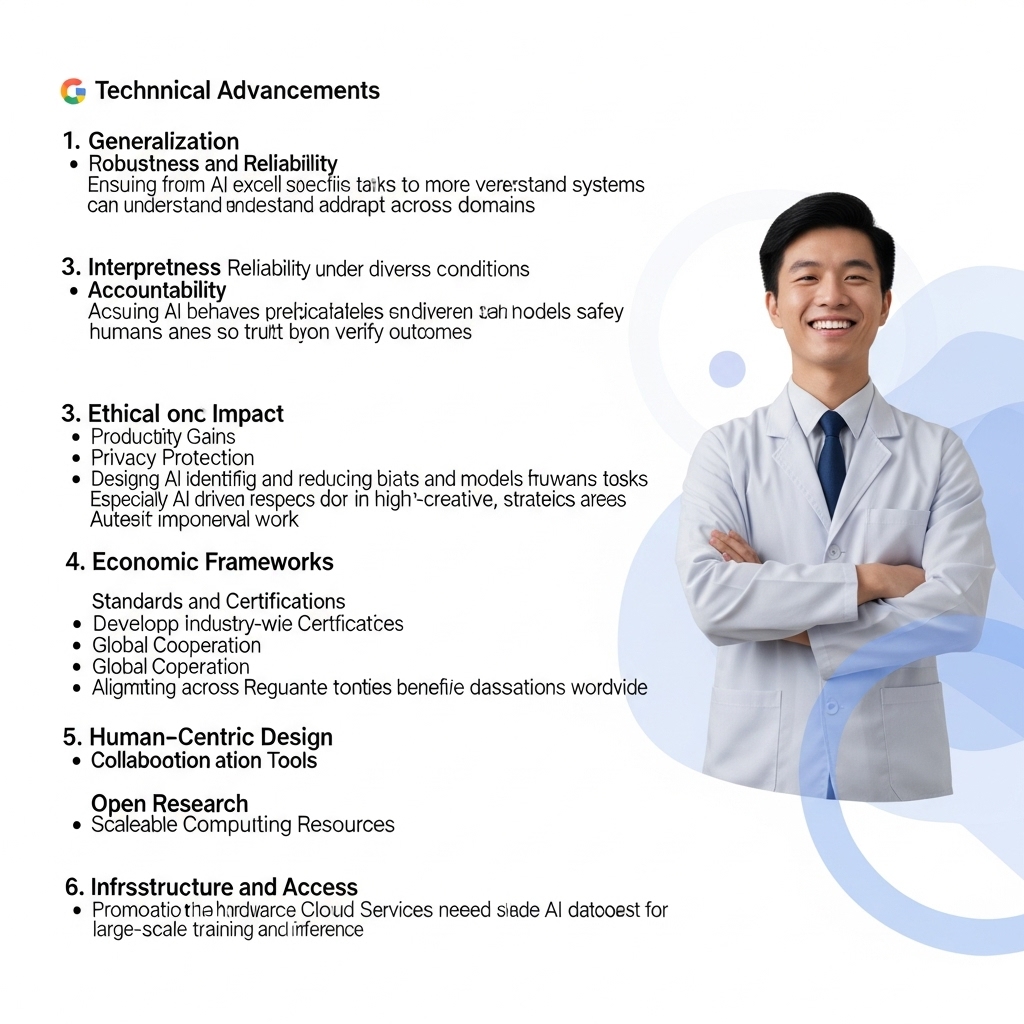
Introduction
Artificial Intelligence (AI) has been a topic of interest for decades, with its potential to revolutionize various aspects of human life. From healthcare and education to transportation and entertainment, AI has been touted as a game-changer. However, the question remains: can AI fulfill its promise of revolutionizing human life? In this article, we will delve into the world of AI, exploring its capabilities, limitations, and potential applications, to determine whether it can live up to the hype.
The Promise of AI
AI has been promised to bring about significant improvements in various industries, making our lives easier, more efficient, and more enjoyable. For instance, in healthcare, AI-powered diagnostic tools can help doctors detect diseases more accurately and at an early stage, leading to better treatment outcomes. In education, AI-based adaptive learning systems can provide personalized learning experiences, helping students learn at their own pace. Moreover, AI-powered virtual assistants, such as Siri and Alexa, have already made our lives more convenient, allowing us to control our homes, play music, and access information with just our voices.
AI in Healthcare
One of the most significant areas where AI is expected to make a substantial impact is healthcare. AI-powered algorithms can analyze vast amounts of medical data, identifying patterns and connections that human doctors may miss. For example, Google's AI-powered LYNA (Lymph Node Assistant) can detect breast cancer more accurately and quickly than human pathologists. Additionally, AI-powered chatbots can help patients with routine queries, freeing up doctors to focus on more complex cases. However, there are also concerns about the reliability and transparency of AI-powered diagnostic tools, highlighting the need for rigorous testing and validation.
AI in Education
AI is also poised to revolutionize the education sector, making learning more accessible, personalized, and effective. AI-based adaptive learning systems can adjust the difficulty level of course materials based on a student's performance, helping them learn at their own pace. For instance, the AI-powered learning platform, DreamBox, provides personalized math lessons for students, adjusting the difficulty level and content in real-time. Moreover, AI-powered virtual teaching assistants can help teachers with grading, freeing up their time to focus on teaching and mentoring. However, there are also concerns about the potential for AI to exacerbate existing inequalities in education, particularly if access to AI-powered learning tools is limited to those who can afford them.
AI and Job Displacement
One of the most significant concerns about AI is its potential to displace human jobs. As AI-powered machines and algorithms become more advanced, there is a risk that they could replace human workers, particularly in sectors where tasks are repetitive or can be easily automated. For example, self-driving cars and trucks could potentially replace human drivers, while AI-powered customer service chatbots could replace human customer support agents. However, it's also important to note that AI could create new job opportunities, such as in AI development, deployment, and maintenance. Moreover, AI could also augment human capabilities, freeing us up to focus on more creative and high-value tasks.
Conclusion
In conclusion, AI has the potential to revolutionize various aspects of human life, from healthcare and education to transportation and entertainment. While there are concerns about the reliability, transparency, and potential job displacement caused by AI, the benefits of AI cannot be ignored. As AI continues to evolve and improve, it's essential to address these concerns through rigorous testing, validation, and regulation. Moreover, it's crucial to ensure that the benefits of AI are accessible to all, regardless of their socio-economic background or geographical location. Ultimately, whether AI can fulfill its promise of revolutionizing human life depends on our ability to harness its potential, mitigate its risks, and ensure that its benefits are shared by all.