
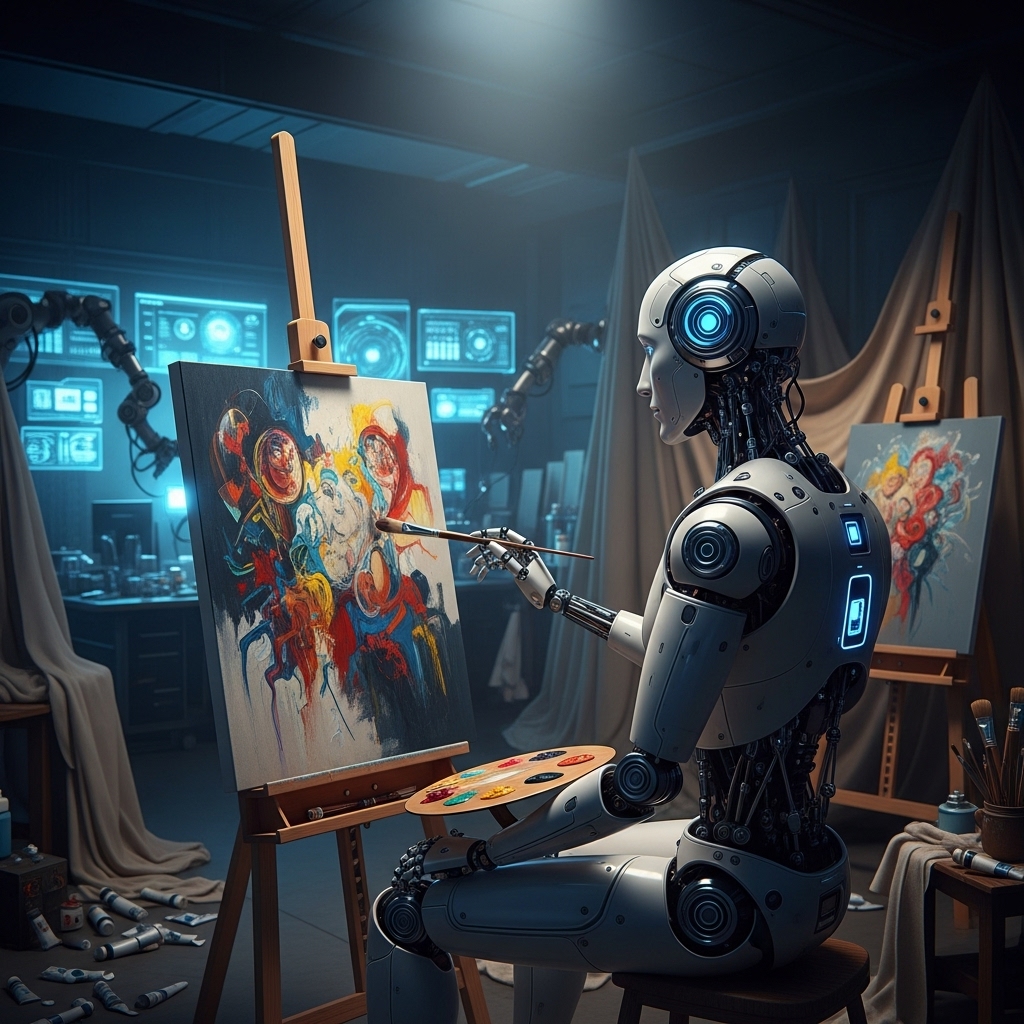
Introduction to Robotic Art
The world of art has always been dominated by human creativity and originality. However, with the advancement of technology, robots have started to make their mark in the art world. Robotic art, a fusion of technology and creativity, has raised questions about the ability of robots to create original artistic masterpieces. Can robots truly create art that is comparable to that of human artists? In this article, we will delve into the world of robotic art and explore the possibilities and limitations of robots in creating original artistic masterpieces.
Understanding Robotic Art
Robotic art refers to the use of robots and artificial intelligence to create art. This can range from paintings and sculptures to music and dance. Robots can be programmed to create art using various algorithms and techniques, such as generative art, where the robot uses mathematical formulas to create unique patterns and designs. For example, the robot artist, e-David, uses a combination of cameras and algorithms to create realistic paintings of landscapes and portraits. The robot's ability to process and analyze vast amounts of data allows it to create intricate and detailed artworks that are unique and original.
The Creative Process of Robots
The creative process of robots is different from that of humans. While humans rely on intuition, emotions, and personal experiences to create art, robots rely on programming, algorithms, and data analysis. Robots can process vast amounts of data, recognize patterns, and make decisions based on that data. This allows them to create art that is unique and original, but also raises questions about the role of creativity and originality in robotic art. For instance, the robot artist, AIVA, uses a combination of machine learning and natural language processing to compose music that is similar in style to famous composers such as Mozart and Beethoven.
Examples of Robotic Art
There are many examples of robotic art that demonstrate the potential of robots to create original artistic masterpieces. For example, the robot artist, RoboPainter, uses a combination of cameras and algorithms to create realistic paintings of landscapes and portraits. The robot's paintings have been exhibited in galleries and museums around the world, and have been praised for their unique style and technique. Another example is the robot artist, Amper Music, which uses artificial intelligence to compose music for videos and advertisements. The robot's music has been used in numerous commercials and has been praised for its originality and creativity.
Limitations of Robotic Art
While robots have made significant advancements in creating artistic masterpieces, there are still limitations to their creativity. Robots lack the emotional and personal experiences that human artists draw upon to create art. They also lack the ability to understand the context and meaning behind a piece of art, which is a crucial aspect of creating original and meaningful art. Furthermore, robots are limited by their programming and algorithms, which can restrict their ability to think outside the box and create truly original art. For example, a robot may be programmed to create art in a specific style or genre, but may struggle to create art that is outside of that style or genre.
The Future of Robotic Art
Despite the limitations of robotic art, the future of robotic art is exciting and promising. As technology continues to advance, robots will become more sophisticated and capable of creating art that is more complex and original. The use of artificial intelligence and machine learning will allow robots to learn from human artists and create art that is more nuanced and meaningful. Additionally, the collaboration between human artists and robots will lead to new and innovative forms of art that combine the best of both worlds. For example, human artists may use robots to create intricate and detailed artworks that would be impossible for humans to create by hand.
Conclusion
In conclusion, the question of whether robots can truly create original artistic masterpieces is a complex one. While robots have made significant advancements in creating artistic masterpieces, they still lack the emotional and personal experiences that human artists draw upon to create art. However, as technology continues to advance, robots will become more sophisticated and capable of creating art that is more complex and original. The future of robotic art is exciting and promising, and it will be interesting to see how robots continue to push the boundaries of what is possible in the world of art. Ultimately, the collaboration between human artists and robots will lead to new and innovative forms of art that combine the best of both worlds, and will challenge our understanding of what it means to be creative and original.