
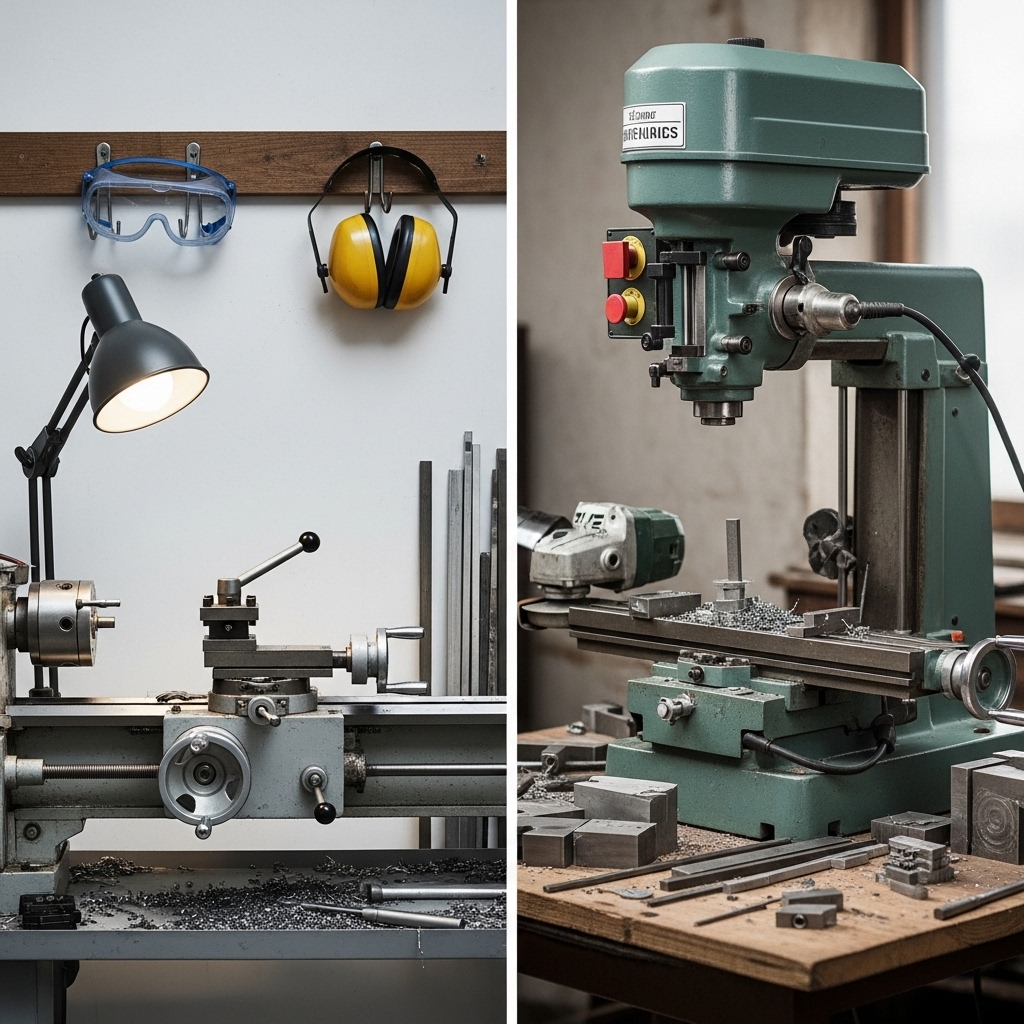
Introduction to Hackerspaces and Essential Tools
A hackerspace is a community-driven workspace where individuals with similar interests in technology, innovation, and DIY projects come together to share knowledge, resources, and ideas. These spaces are equipped with various tools and equipment that cater to a wide range of projects, from electronics and robotics to woodworking and crafting. Having the right tools available is crucial for the success and productivity of a hackerspace. In this article, we will explore the essential tools that every hackerspace should have available to support its members' projects and activities.
Electronics and Microcontrollers
Electronics and microcontrollers are fundamental components of many projects in a hackerspace. Some essential tools in this category include soldering irons, wire strippers, and multimeters. A well-stocked electronics area should also have a variety of components such as resistors, capacitors, and microcontrollers like Arduino or Raspberry Pi. For example, the Arduino platform is widely used in DIY projects, and having a stock of Arduino boards and shields can facilitate projects like home automation, robotics, and wearable technology. Additionally, a signal generator, oscilloscope, and logic analyzer can be useful for more advanced electronics projects.
3D Printing and CNC Machining
3D printing and CNC machining are powerful tools for creating custom parts and prototypes. A hackerspace should have at least one 3D printer, such as a Fused Deposition Modeling (FDM) or Stereolithography (SLA) printer, and a CNC mill or laser cutter. These machines enable members to create complex designs and precision parts quickly and efficiently. For instance, a 3D printer can be used to create custom phone cases, robotic parts, or artistic sculptures, while a CNC mill can be used to fabricate custom PCBs, woodwork, or metal parts. It's also important to have the necessary software and training to operate these machines safely and effectively.
Woodworking and Crafting
Woodworking and crafting are essential aspects of many projects in a hackerspace. A well-equipped woodworking area should have basic tools like table saws, drill presses, and sanders, as well as hand tools like chisels, hand saws, and clamps. For crafting, a hackerspace should have a variety of materials like fabric, yarn, and paper, as well as tools like sewing machines, knitting machines, and cutting mats. These tools enable members to work on projects like furniture making, wood carving, and textile design. For example, a member might use the woodworking tools to build a custom desk or shelf, while another member might use the sewing machine to create a custom costume or accessory.
Software and Computing
Software and computing are critical components of many projects in a hackerspace. A hackerspace should have a range of software tools available, including programming languages like Python, Java, and C++, as well as design software like CAD, Adobe Creative Cloud, and Blender. Additionally, a hackerspace should have a variety of computing hardware, including laptops, desktops, and single-board computers like Raspberry Pi. These resources enable members to work on projects like web development, mobile app development, and data analysis. For instance, a member might use Python to develop a machine learning model, while another member might use Adobe Creative Cloud to design a logo or graphic.
Safety and Prototyping Equipment
Safety and prototyping equipment are essential for protecting members and facilitating the prototyping process. A hackerspace should have basic safety equipment like first aid kits, fire extinguishers, and safety glasses, as well as prototyping tools like breadboards, jumper wires, and prototype PCBs. Additionally, a hackerspace should have a range of materials for prototyping, including cardboard, foam board, and paper. These resources enable members to quickly test and refine their ideas, reducing the risk of injury and improving the overall quality of their projects. For example, a member might use a breadboard to prototype a circuit, while another member might use cardboard to create a mockup of a product design.
Conclusion and Final Thoughts
In conclusion, a well-equipped hackerspace should have a wide range of tools and equipment available to support its members' projects and activities. From electronics and microcontrollers to 3D printing and woodworking, each category of tools plays a critical role in facilitating innovation and creativity. By providing access to these essential tools, a hackerspace can foster a community of makers, innovators, and entrepreneurs who can collaborate, learn, and create together. Whether you're a seasoned maker or just starting out, a hackerspace with the right tools and resources can be a powerful catalyst for turning your ideas into reality.