
Introduction to Identity as a Service
Identity as a Service (IDaaS) is a cloud-based identity and access management (IAM) solution that enables organizations to manage and secure user identities and their access to various applications, systems, and resources. With the increasing number of cloud-based applications and services, IDaaS has become a crucial component of modern IT infrastructure. In this article, we will delve into the world of IDaaS, exploring its definition, benefits, and how it works, as well as providing examples and use cases to illustrate its practical applications.
What is Identity as a Service?
Identity as a Service is a cloud-based platform that provides a set of identity and access management functions, including user authentication, authorization, and accounting (AAA). IDaaS solutions are designed to manage the entire lifecycle of digital identities, from provisioning and deprovisioning to authentication and authorization. This includes managing user identities, passwords, and access to various applications, systems, and resources, both on-premises and in the cloud. IDaaS solutions typically provide a range of features, such as single sign-on (SSO), multi-factor authentication (MFA), and identity governance and administration (IGA).
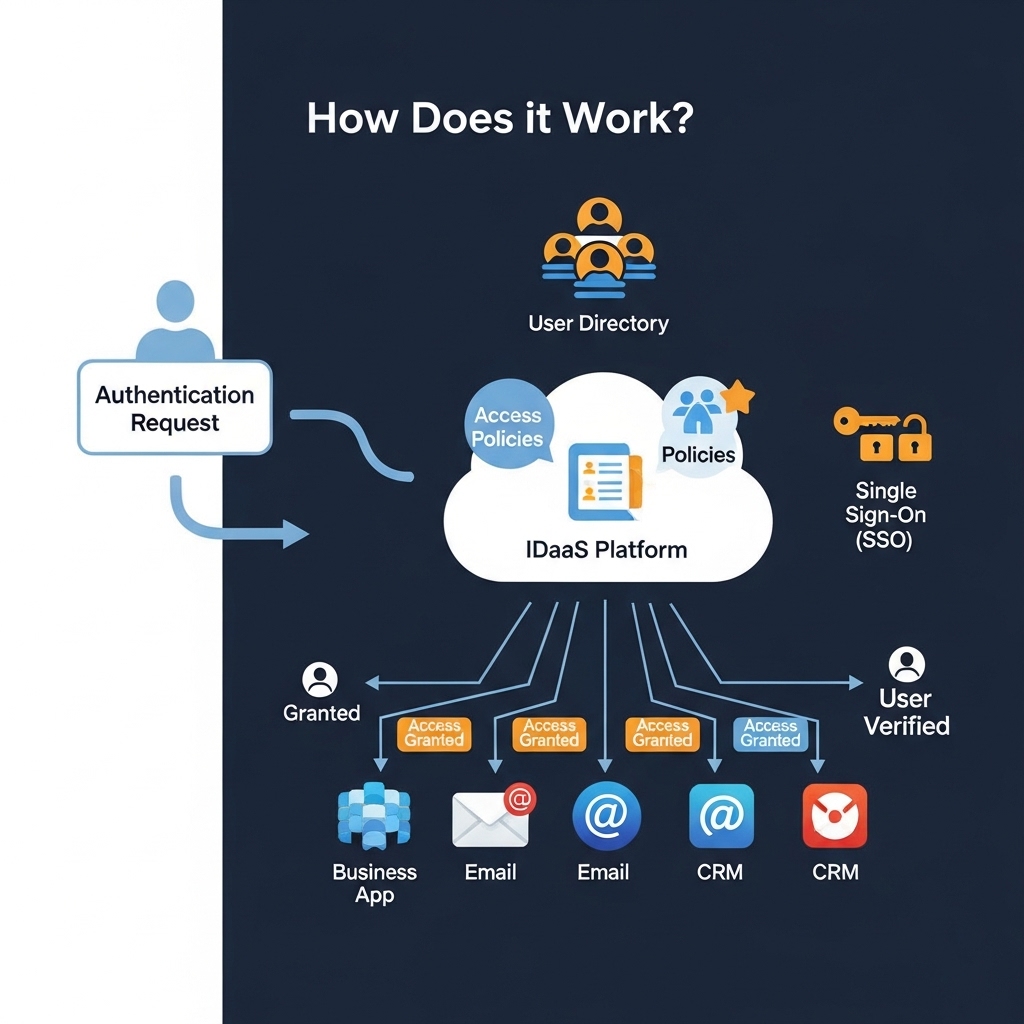
How Does Identity as a Service Work?
IDaaS solutions work by providing a centralized platform for managing user identities and their access to various resources. The process typically involves the following steps: user registration, authentication, authorization, and access granting. When a user attempts to access a protected resource, they are redirected to the IDaaS platform for authentication. The IDaaS platform then verifies the user's credentials and checks their access permissions. If the user is authenticated and authorized, they are granted access to the requested resource. IDaaS solutions can also provide additional security features, such as MFA, behavioral analytics, and anomaly detection, to prevent unauthorized access and detect potential security threats.
Benefits of Identity as a Service
The benefits of IDaaS are numerous and significant. One of the primary advantages is improved security. IDaaS solutions provide a centralized platform for managing user identities and access, making it easier to enforce security policies and detect potential threats. IDaaS also provides a single pane of glass for managing user identities, making it easier to provision and deprovision users, as well as manage access to various resources. Additionally, IDaaS solutions can help organizations reduce costs associated with identity and access management, such as hardware and software costs, as well as the costs associated with managing and maintaining on-premises IAM infrastructure.
Examples of Identity as a Service in Action
There are many examples of IDaaS in action. For instance, a large enterprise may use an IDaaS solution to manage access to its cloud-based applications, such as Office 365 or Salesforce. The IDaaS solution would provide a single sign-on experience for users, allowing them to access all their applications with a single set of credentials. Another example is a university that uses an IDaaS solution to manage access to its online learning platform. The IDaaS solution would provide a secure and scalable way to manage student and faculty identities, as well as their access to various online resources.
Key Features of Identity as a Service
IDaaS solutions typically provide a range of features, including SSO, MFA, IGA, and identity analytics. SSO enables users to access multiple applications with a single set of credentials, while MFA provides an additional layer of security by requiring users to provide a second form of verification, such as a code sent to their phone or a biometric scan. IGA enables organizations to manage the entire lifecycle of digital identities, from provisioning to deprovisioning, while identity analytics provides insights into user behavior and access patterns. Other key features of IDaaS solutions include directory services, password management, and access governance.
Conclusion
In conclusion, Identity as a Service is a cloud-based identity and access management solution that provides a centralized platform for managing user identities and their access to various applications, systems, and resources. IDaaS solutions offer a range of benefits, including improved security, reduced costs, and increased efficiency. With its ability to provide a single sign-on experience, multi-factor authentication, and identity governance and administration, IDaaS is an essential component of modern IT infrastructure. As the number of cloud-based applications and services continues to grow, the importance of IDaaS will only continue to increase, making it a critical investment for organizations of all sizes.