
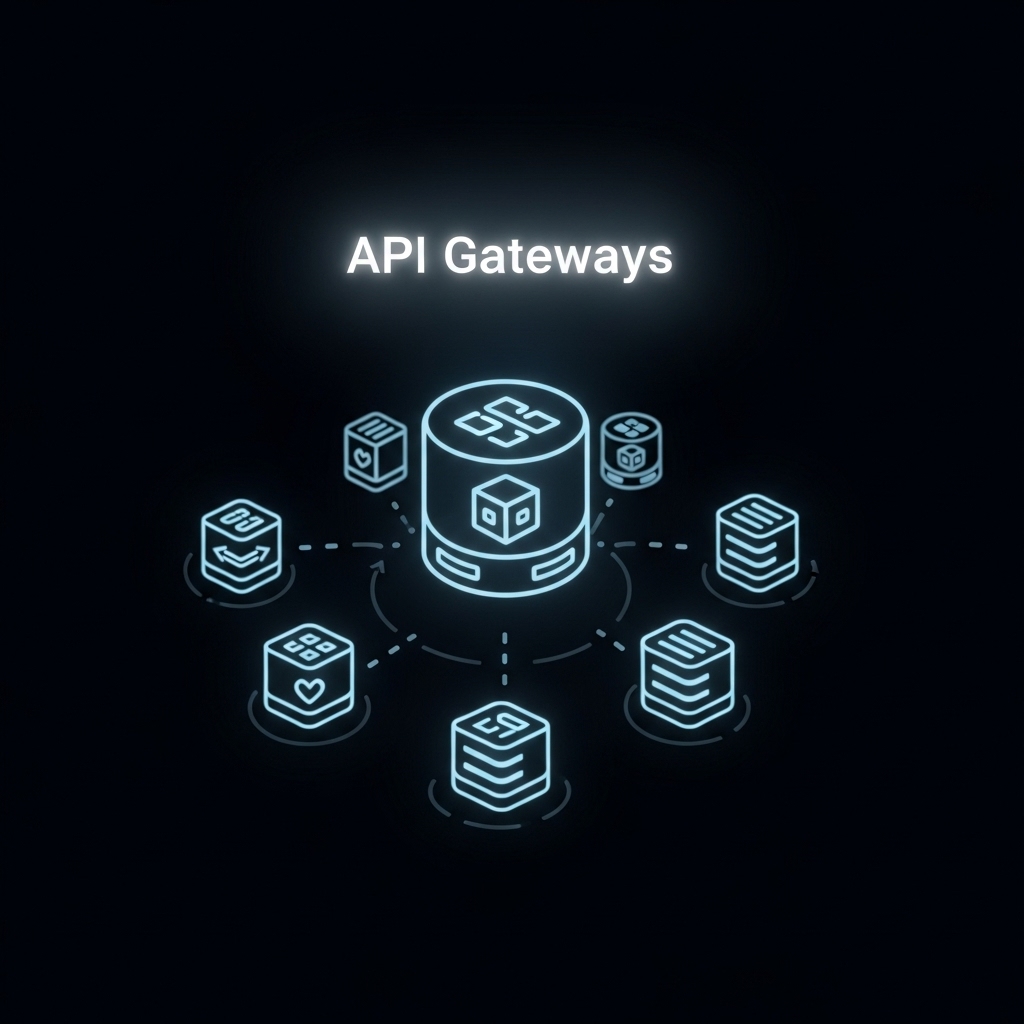
Introduction to Middleware Projects and Innovations
Middlewares are software solutions that enable seamless communication and data exchange between different applications, systems, or services. They act as a bridge, facilitating the interaction between disparate components, and play a crucial role in ensuring the smooth operation of complex systems. The evolution of middleware projects has been remarkable, with innovations transforming the way data is exchanged, processed, and utilized. In this article, we will delve into the world of middleware projects, exploring the latest advancements, trends, and examples that are revolutionizing the field.
Understanding Middleware and Its Importance
Middlewares are designed to provide a layer of abstraction, allowing different systems to communicate with each other without the need for extensive customization. They enable data exchange, facilitate integration, and provide a range of services, including authentication, authorization, and encryption. The importance of middleware cannot be overstated, as it enables organizations to leverage existing systems, reduce costs, and improve overall efficiency. For instance, a company with a legacy system can use middleware to integrate it with newer applications, extending its lifespan and functionality.
A notable example of middleware in action is the use of application programming interfaces (APIs). APIs act as middleware, enabling different applications to communicate with each other and exchange data in a standardized manner. This has given rise to a plethora of innovative services, such as payment gateways, social media integrations, and data analytics platforms.
Emerging Trends in Middleware Projects
The middleware landscape is constantly evolving, with new trends and innovations emerging regularly. Some of the key trends include the adoption of cloud-native middleware, the use of artificial intelligence (AI) and machine learning (ML) in middleware, and the growing importance of security and compliance. Cloud-native middleware, for example, is designed to take advantage of cloud computing principles, such as scalability, flexibility, and on-demand deployment. This has enabled organizations to develop and deploy middleware solutions more quickly and efficiently.
Another significant trend is the use of containerization and serverless computing in middleware projects. Containerization enables developers to package middleware components into containers, which can be easily deployed and managed. Serverless computing, on the other hand, allows developers to focus on writing code, without worrying about the underlying infrastructure. This has led to the development of more agile and responsive middleware solutions.
Real-World Examples of Middleware Innovations
There are numerous examples of middleware innovations that have transformed the way organizations operate. One such example is the use of message-oriented middleware (MOM) in the financial sector. MOM enables the secure and reliable exchange of financial messages between different systems, facilitating transactions, and settlements. Another example is the use of enterprise service buses (ESBs) in the healthcare industry. ESBs enable the integration of disparate healthcare systems, facilitating the exchange of patient data, medical records, and other critical information.
A notable example of middleware innovation is the use of blockchain-based middleware. Blockchain-based middleware enables secure, decentralized, and transparent data exchange, which has far-reaching implications for industries such as finance, supply chain management, and cybersecurity. For instance, a blockchain-based middleware solution can enable secure and efficient supply chain management, by tracking the movement of goods, and enabling real-time visibility and authentication.
Challenges and Opportunities in Middleware Development
Despite the numerous benefits of middleware, there are several challenges associated with its development and deployment. One of the primary challenges is ensuring security and compliance, as middleware solutions often involve the exchange of sensitive data. Another challenge is integrating middleware with legacy systems, which can be complex and time-consuming. Additionally, the increasing complexity of middleware solutions can make them difficult to manage and maintain.
However, these challenges also present opportunities for innovation and growth. The development of secure and compliant middleware solutions, for instance, has given rise to a range of innovative products and services. The use of AI and ML in middleware development has also enabled the creation of more intelligent and adaptive middleware solutions, which can detect and respond to security threats in real-time.
Future of Middleware Projects and Innovations
The future of middleware projects is exciting and promising, with several trends and innovations on the horizon. One of the key trends is the increasing adoption of edge computing, which enables data processing and analysis at the edge of the network, reducing latency and improving real-time decision-making. Another trend is the use of IoT (Internet of Things) devices, which will require more sophisticated middleware solutions to manage and integrate the vast amounts of data generated by these devices.
Additionally, the use of quantum computing and advanced analytics in middleware development will enable the creation of more powerful and intelligent middleware solutions. These solutions will be able to process vast amounts of data, detect complex patterns, and make predictions, enabling organizations to make more informed decisions and drive business growth.
Conclusion
In conclusion, middleware projects and innovations are revolutionizing the way data is exchanged, processed, and utilized. The evolution of middleware has been remarkable, with emerging trends, such as cloud-native middleware, AI and ML, and security and compliance, transforming the landscape. Real-world examples, such as the use of MOM and ESBs, demonstrate the impact of middleware on various industries. While challenges exist, they also present opportunities for innovation and growth. As the future of middleware projects unfolds, we can expect more sophisticated, intelligent, and adaptive solutions, enabling organizations to drive business growth, improve efficiency, and stay competitive in a rapidly changing world.