
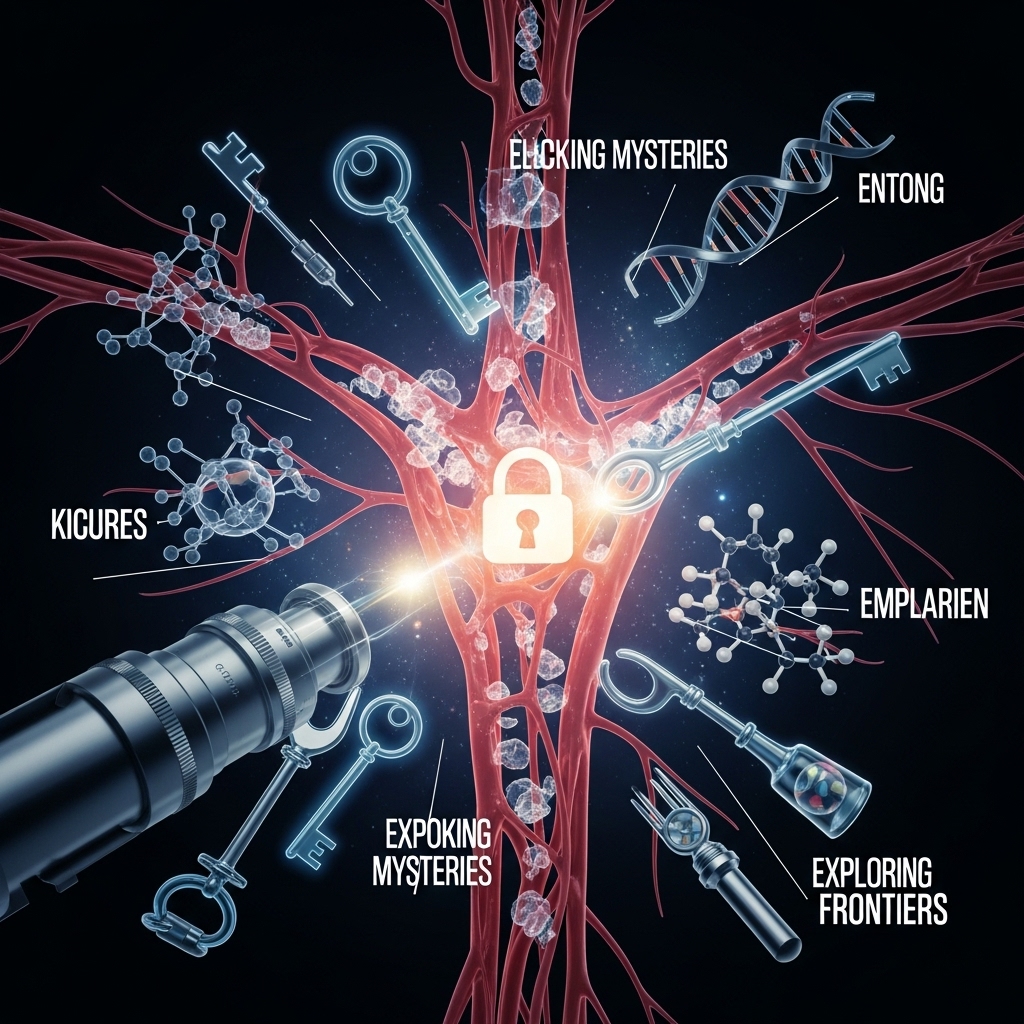
Introduction to Vascular Biology
Vascular biology, the study of blood vessels, is a rapidly evolving field that has garnered significant attention in recent years. The vascular system, comprising arteries, veins, and capillaries, plays a crucial role in maintaining overall health by transporting oxygen, nutrients, and waste products throughout the body. Despite its importance, the complexities of vascular biology remain poorly understood, and researchers continue to unravel the mysteries surrounding blood vessel function and dysfunction. This article aims to delve into the frontiers of vascular biology, exploring the latest discoveries, advancements, and challenges in the field.
The Structure and Function of Blood Vessels
Blood vessels are intricate structures composed of multiple layers, each with distinct functions. The innermost layer, the endothelium, lines the vessel lumen and regulates blood flow, immune responses, and blood clotting. The media layer, comprising smooth muscle cells, controls vessel contraction and relaxation, while the outermost layer, the adventitia, provides structural support. The unique structure and function of blood vessels enable them to adapt to changing physiological conditions, such as increased blood pressure or oxygen demand. For example, during exercise, blood vessels dilate to increase blood flow to skeletal muscles, ensuring adequate oxygen delivery and nutrient supply.
Vascular Endothelial Function and Dysfunction
The endothelium plays a critical role in maintaining vascular health by regulating blood flow, immune responses, and blood clotting. Endothelial dysfunction, characterized by impaired nitric oxide production, increased inflammation, and enhanced thrombogenicity, is a hallmark of various cardiovascular diseases, including atherosclerosis, hypertension, and diabetes. Research has shown that endothelial dysfunction is a reversible condition, and therapeutic strategies targeting endothelial function, such as exercise, diet, and pharmacological interventions, can improve vascular health and reduce cardiovascular risk. For instance, regular exercise has been shown to enhance endothelial function in patients with cardiovascular disease, leading to improved blood flow and reduced blood pressure.
Angiogenesis and Vascular Remodeling
Angiogenesis, the process of new blood vessel formation, is essential for development, wound healing, and tissue repair. Vascular remodeling, the reorganization of existing blood vessels, occurs in response to changes in blood flow, pressure, or oxygen demand. Both angiogenesis and vascular remodeling are tightly regulated by a complex interplay of growth factors, cytokines, and cellular interactions. Dysregulation of these processes contributes to various diseases, including cancer, where excessive angiogenesis promotes tumor growth and metastasis. Researchers are exploring therapeutic strategies to modulate angiogenesis and vascular remodeling, such as anti-angiogenic therapies for cancer treatment and pro-angiogenic therapies for ischemic diseases.
Vascular Inflammation and Atherosclerosis
Vascular inflammation is a key component of atherosclerosis, a chronic inflammatory disease characterized by the accumulation of lipids, inflammatory cells, and fibrous tissue in the arterial wall. The inflammatory process involves the recruitment of immune cells, such as macrophages and T-cells, which contribute to plaque formation and instability. Recent studies have highlighted the importance of vascular inflammation in atherosclerosis, and therapeutic strategies targeting inflammatory pathways, such as statins and anti-inflammatory agents, have shown promise in reducing cardiovascular risk. For example, the CANTOS trial demonstrated that targeting interleukin-1β, a pro-inflammatory cytokine, reduced cardiovascular events in patients with atherosclerosis.
Emerging Technologies and Therapies in Vascular Biology
Recent advancements in technology and therapeutics have revolutionized the field of vascular biology. The development of single-cell RNA sequencing, live-cell imaging, and optogenetics has enabled researchers to study vascular cells and tissues with unprecedented resolution. Gene editing technologies, such as CRISPR/Cas9, have opened up new avenues for vascular gene therapy, allowing for the manipulation of specific genes involved in vascular disease. Additionally, innovative therapies, such as cell-based therapies and nanomedicines, are being explored for the treatment of vascular diseases, including peripheral artery disease and critical limb ischemia.
Conclusion and Future Directions
In conclusion, vascular biology is a rapidly evolving field that continues to uncover the complexities of blood vessel function and dysfunction. The latest discoveries and advancements in vascular biology have significant implications for our understanding of cardiovascular disease and the development of novel therapeutic strategies. Future research should focus on translating basic scientific discoveries into clinical applications, exploring the role of vascular biology in emerging areas, such as precision medicine and regenerative medicine, and addressing the significant challenges posed by vascular diseases. By unlocking the mysteries of blood vessels, we can improve our understanding of human health and disease, ultimately leading to the development of more effective treatments and therapies for vascular-related disorders.