
Introduction
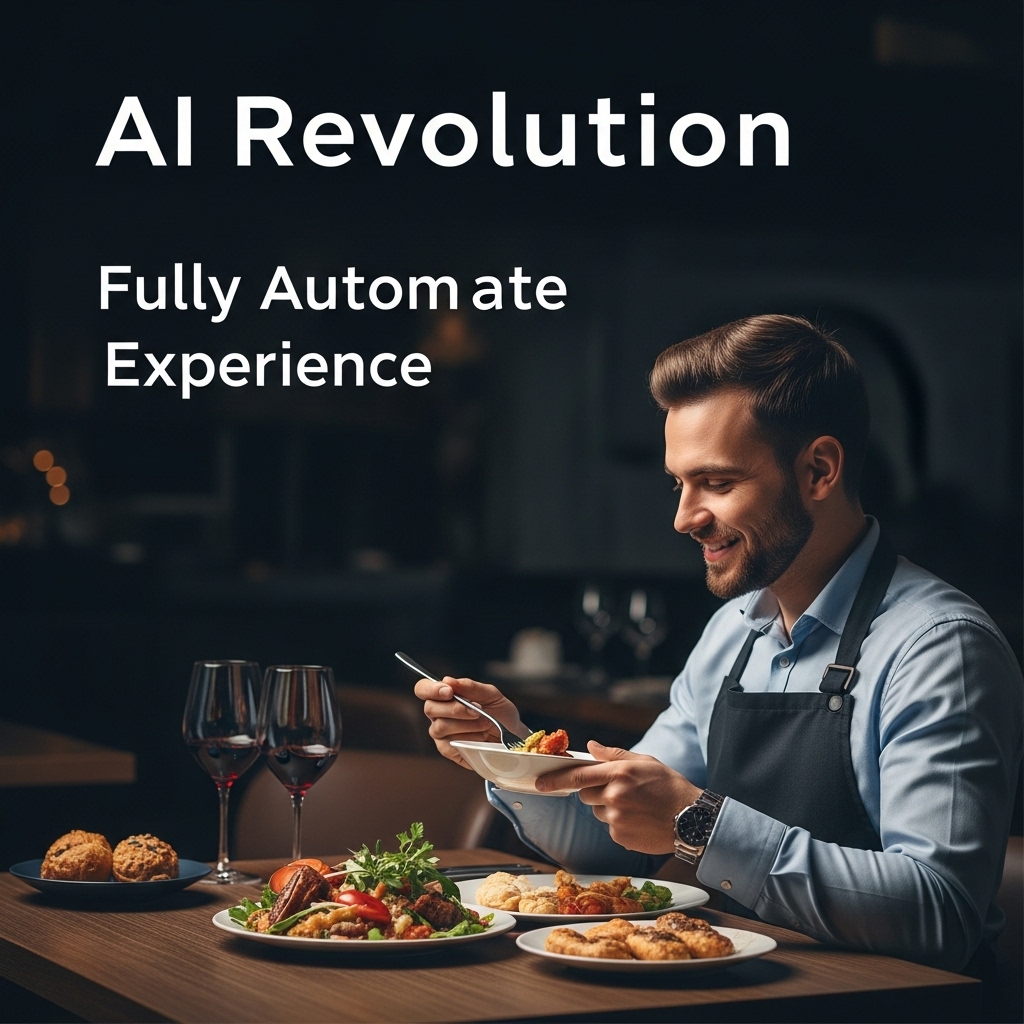
The restaurant industry has witnessed significant transformations over the years, with technological advancements playing a crucial role in shaping the dining experience. One of the most promising developments in this sector is the integration of Artificial Intelligence (AI) in restaurant services. AI has the potential to revolutionize the way restaurants operate, from taking orders to managing inventory and enhancing customer experience. In this article, we will explore the possibilities of AI in fully automating restaurant services and its potential impact on the customer experience.
Current State of Restaurant Automation
Restaurants have already started embracing automation to streamline their operations. Many establishments use digital menus, online ordering systems, and mobile apps to facilitate customer interactions. Some restaurants have also introduced self-service kiosks, where customers can place orders and make payments without human intervention. However, these solutions are limited in their scope and do not fully leverage the capabilities of AI. For instance, a restaurant like McDonald's has implemented self-service kiosks, which have improved the speed of service and reduced wait times. Nevertheless, the potential of AI in restaurant automation extends far beyond these basic applications.
AI-Powered Restaurant Services
AI can be used to automate various aspects of restaurant services, including order taking, food preparation, and table management. For example, AI-powered chatbots can be integrated into restaurant websites or mobile apps to take orders and respond to customer queries. These chatbots can be programmed to understand natural language and provide personalized recommendations based on customer preferences. Additionally, AI-powered kitchen automation systems can optimize food preparation, reducing waste and improving consistency. Restaurants like Domino's Pizza have already started using AI-powered systems to optimize their delivery operations, ensuring that customers receive their orders quickly and efficiently.
Enhancing Customer Experience with AI
AI can significantly enhance the customer experience in restaurants by providing personalized service, improving order accuracy, and reducing wait times. For instance, AI-powered systems can analyze customer data and preferences to offer tailored recommendations, increasing the likelihood of customers trying new dishes and improving overall satisfaction. AI-powered table management systems can also optimize seating arrangements, reducing wait times and improving the overall flow of service. Furthermore, AI-powered chatbots can be used to gather customer feedback, enabling restaurants to identify areas for improvement and make data-driven decisions.
Challenges and Limitations
While AI has the potential to revolutionize restaurant services, there are several challenges and limitations that need to be addressed. One of the primary concerns is the high upfront cost of implementing AI-powered systems, which can be a barrier for small and medium-sized restaurants. Additionally, AI systems require significant amounts of data to function effectively, which can be a challenge for restaurants with limited customer data. Moreover, there are also concerns about job displacement, as AI-powered automation may replace certain roles in the restaurant industry. However, it is essential to note that AI is likely to augment human capabilities rather than replace them, enabling restaurant staff to focus on higher-value tasks that require human touch and empathy.
Real-World Examples and Case Studies
Several restaurants have already started experimenting with AI-powered automation, with promising results. For example, a restaurant in Singapore has introduced an AI-powered robotic waiter that can take orders, serve food, and even interact with customers. Similarly, a restaurant in the United States has implemented an AI-powered kitchen automation system that can optimize food preparation and reduce waste. These examples demonstrate the potential of AI in enhancing the efficiency and effectiveness of restaurant operations. Moreover, they also highlight the need for restaurants to invest in employee training and upskilling to ensure that staff can work effectively alongside AI-powered systems.
Conclusion
In conclusion, AI has the potential to revolutionize restaurant services, enhancing the customer experience and improving operational efficiency. While there are challenges and limitations that need to be addressed, the benefits of AI-powered automation are undeniable. As the restaurant industry continues to evolve, it is essential for establishments to invest in AI-powered solutions that can help them stay competitive and provide exceptional customer experiences. By leveraging the capabilities of AI, restaurants can streamline their operations, improve customer satisfaction, and increase revenue. Ultimately, the future of restaurant automation is exciting and promising, and it will be interesting to see how AI continues to shape the dining experience in the years to come.