
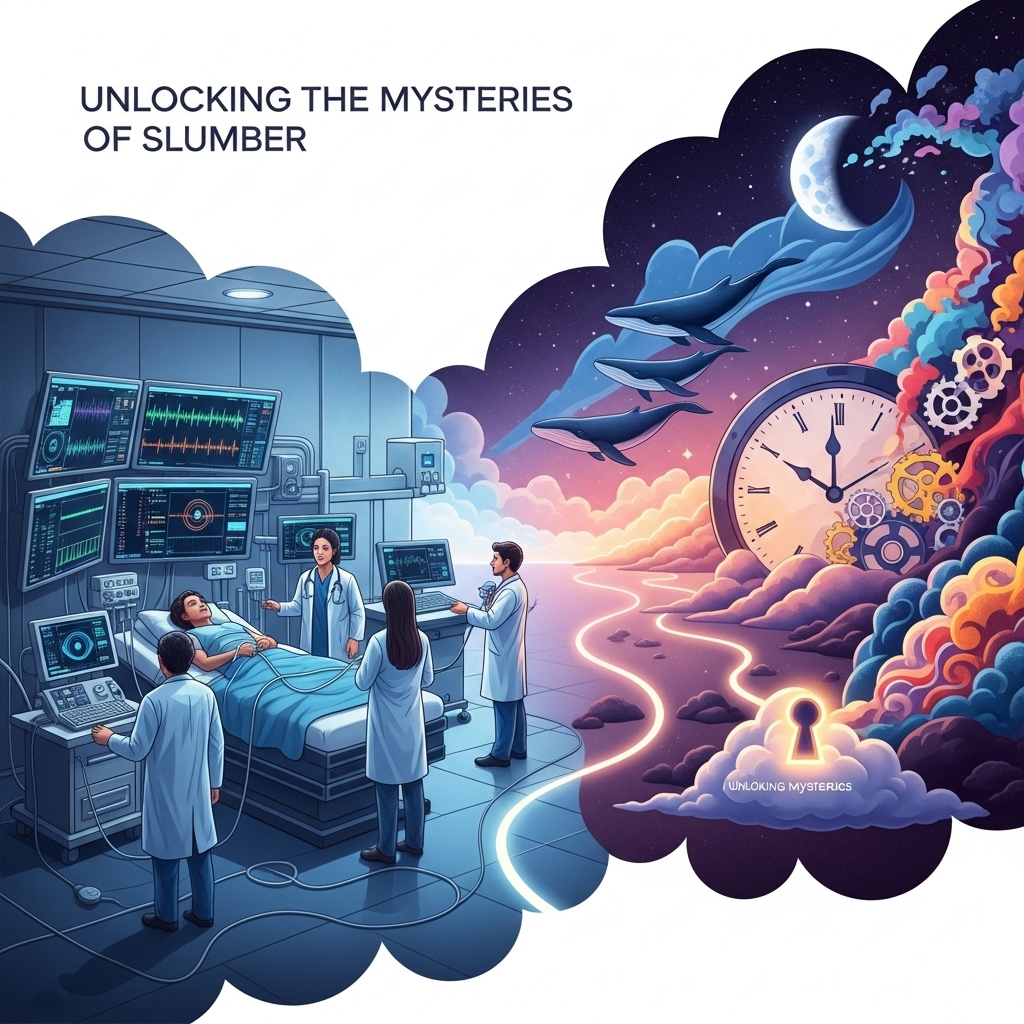
Introduction to Sleep Medicine
Sleep, a fundamental aspect of human life, has long been a subject of fascination and mystery. Despite its ubiquity, the complexities of sleep and its role in our overall health and wellbeing remain not fully understood. Sleep medicine, a relatively new field of study, has emerged to explore the frontiers of slumber, seeking to unlock the secrets of sleep and its impact on our bodies and minds. This article delves into the latest research and discoveries in sleep medicine, shedding light on the intricacies of sleep, the world of dreams, and the potential treatments for sleep disorders.
Understanding Sleep Cycles
Sleep is not a uniform state but rather a dynamic process that involves different stages, each characterized by distinct brain wave patterns, hormonal changes, and physiological responses. The sleep cycle, which lasts approximately 90-120 minutes, is divided into three stages of non-rapid eye movement (NREM) sleep and one stage of rapid eye movement (REM) sleep. NREM sleep is further subdivided into three stages, with stage 3 being the deepest and most restorative phase. REM sleep, on the other hand, is when most dreams occur, and brain activity resembles that of being awake. Understanding these sleep cycles is crucial for diagnosing and treating sleep disorders, as disruptions in these cycles can lead to sleep deprivation and related health issues.
The Science of Dreams
Dreams have captivated human imagination for centuries, with theories ranging from divine messages to mere reflections of brain activity. Recent studies in sleep medicine suggest that dreams are more than just random firings of the brain. During REM sleep, the brain processes and consolidates memories, transferring information from the hippocampus to the neocortex for long-term storage. Dreams may also serve as an emotional release, allowing the brain to process and deal with stress, anxiety, and other emotions in a simulated environment. For example, a study found that individuals who experienced traumatic events often had recurring nightmares, which decreased in frequency and intensity as they underwent therapy and processed their emotions.
Sleep Disorders: Causes and Consequences
Sleep disorders are prevalent and can have significant consequences on an individual's quality of life and health. Insomnia, characterized by difficulty falling or staying asleep, affects millions worldwide and can lead to daytime fatigue, mood disturbances, and increased risk of chronic diseases like diabetes and cardiovascular disease. Sleep apnea, another common disorder, involves pauses in breathing during sleep, resulting in fragmented sleep and potential cardiovascular complications. Narcolepsy, a neurological disorder that affects the brain's ability to regulate sleep-wake cycles, can cause sudden sleep attacks and cataplexy, a condition where strong emotions trigger a loss of muscle tone. Understanding the causes of these disorders, whether genetic, environmental, or lifestyle-related, is essential for developing effective treatments and improving patient outcomes.
Advances in Sleep Medicine: Diagnosis and Treatment
The field of sleep medicine has seen significant advancements in recent years, with new technologies and treatments emerging to diagnose and manage sleep disorders. Polysomnography (PSG), a comprehensive sleep study, records various physiological activities during sleep, providing valuable insights into sleep patterns and disorders. Actigraphy, a non-invasive method using wearable devices, tracks sleep-wake cycles and can be used to monitor sleep quality over extended periods. Treatments for sleep disorders range from behavioral therapies like cognitive-behavioral therapy for insomnia (CBT-I) to pharmacological interventions and devices like continuous positive airway pressure (CPAP) machines for sleep apnea. For example, a study demonstrated that CBT-I significantly improved sleep quality and reduced symptoms of depression in patients with chronic insomnia.
The Future of Sleep Medicine: Emerging Trends and Research
As research in sleep medicine continues to evolve, new trends and areas of investigation are emerging. The role of genetics in sleep disorders is being explored, with studies identifying specific genes associated with sleep traits and disorders. The impact of sleep on cognitive function and neurodegenerative diseases, such as Alzheimer's and Parkinson's, is also being investigated, with evidence suggesting that sleep disturbances may contribute to disease progression. Furthermore, the development of personalized sleep medicine, tailored to an individual's unique sleep profile and needs, holds promise for more effective treatments and improved patient outcomes. The integration of artificial intelligence and machine learning algorithms in sleep research may also enhance our understanding of sleep patterns and facilitate the development of novel therapeutic approaches.
Conclusion: Unlocking the Mysteries of Slumber
In conclusion, sleep medicine has made significant strides in recent years, shedding light on the complexities of sleep and its role in our overall health. By understanding sleep cycles, the science of dreams, and the causes and consequences of sleep disorders, we can develop more effective treatments and improve patient outcomes. As research continues to advance, emerging trends and technologies will likely play a crucial role in unlocking the mysteries of slumber. By prioritizing sleep health and supporting ongoing research in sleep medicine, we can work towards a future where sleep is valued and prioritized, leading to improved health, wellbeing, and quality of life for individuals worldwide.