
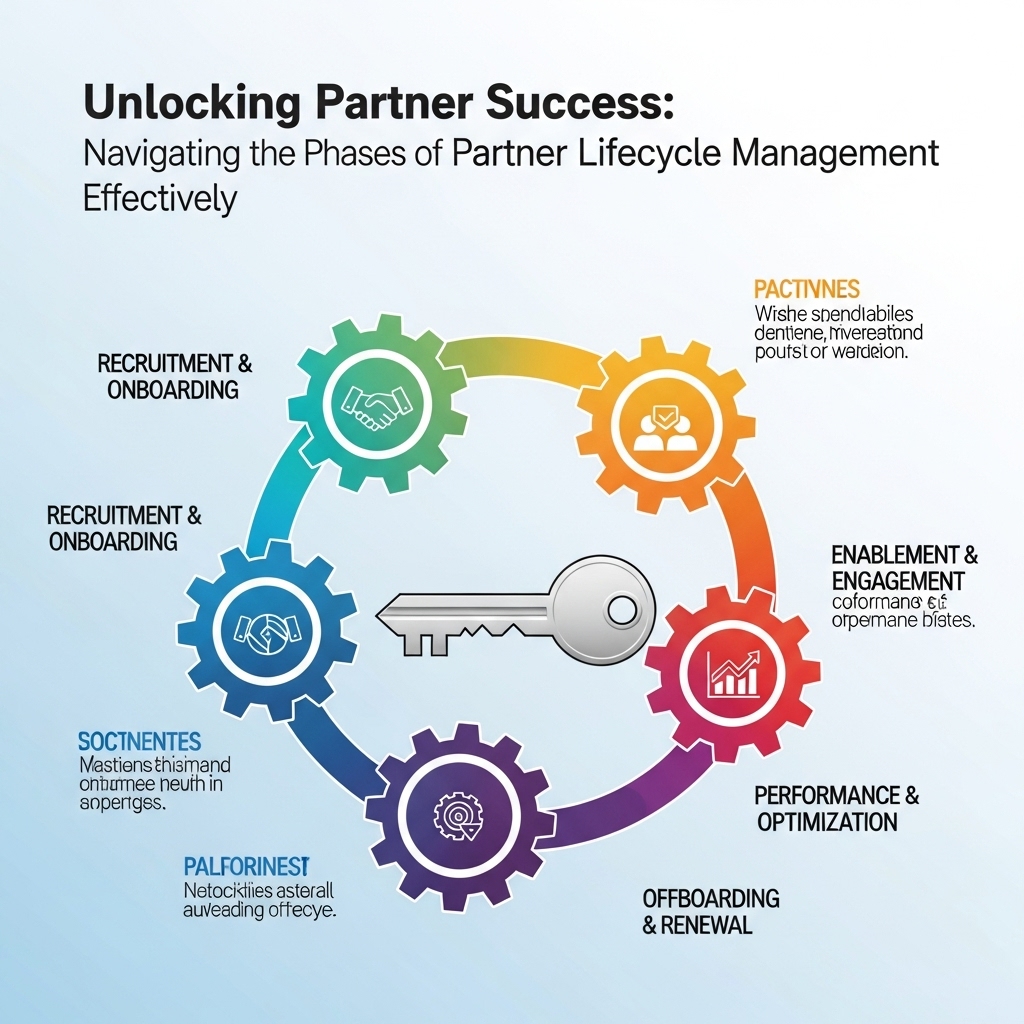
Unlocking Partner Success: Navigating the Phases of Partner Lifecycle Management Effectively
Partner lifecycle management is a critical aspect of any successful partnership. It involves managing the entire lifecycle of a partner, from onboarding to termination, to ensure that both parties achieve their goals and maximize their returns on investment. Effective partner lifecycle management requires a deep understanding of the various phases involved and the ability to navigate them successfully. In this article, we will explore the different phases of partner lifecycle management and provide tips and best practices for navigating them effectively.
Introduction to Partner Lifecycle Management
Partner lifecycle management is a strategic approach to managing partnerships that focuses on creating a mutually beneficial relationship between partners. It involves identifying, recruiting, onboarding, enabling, and retaining partners to achieve specific business objectives. The goal of partner lifecycle management is to create a win-win situation where both parties benefit from the partnership. Effective partner lifecycle management requires a thorough understanding of the partner's needs, goals, and motivations, as well as the ability to communicate effectively and build strong relationships.
Phase 1: Partner Recruitment and Acquisition
The first phase of partner lifecycle management is partner recruitment and acquisition. This phase involves identifying potential partners and recruiting them to join the partnership program. To be successful in this phase, it's essential to have a clear understanding of the ideal partner profile, including their target market, customer base, and product or service offerings. For example, a software company looking to expand its reach into the enterprise market may target system integrators and consulting firms that have a strong presence in that market. Once potential partners are identified, it's crucial to have a compelling value proposition that outlines the benefits of partnering, such as access to new markets, increased revenue, and enhanced credibility.
Phase 2: Partner Onboarding and Enablement
After a partner has been recruited, the next phase is onboarding and enablement. This phase involves providing the partner with the necessary training, support, and resources to successfully sell and deliver the partner's products or services. Effective onboarding and enablement are critical to ensuring that partners are equipped to meet customer needs and achieve their sales targets. For instance, a company may provide its partners with access to online training modules, sales and marketing materials, and dedicated support teams to help them get up to speed quickly. The goal of this phase is to ensure that partners are able to independently sell and deliver the partner's products or services, with minimal support from the partner program team.
Phase 3: Partner Engagement and Support
Once partners are onboarded and enabled, the next phase is partner engagement and support. This phase involves providing ongoing support and engagement to ensure that partners continue to be successful and motivated. This can include regular communication, joint marketing initiatives, and sales support. For example, a company may host quarterly business reviews with its partners to discuss sales performance, provide feedback, and align on goals and objectives. The goal of this phase is to build strong, long-term relationships with partners and ensure that they continue to be engaged and motivated to sell and deliver the partner's products or services.
Phase 4: Partner Retention and Renewal
The final phase of partner lifecycle management is partner retention and renewal. This phase involves ensuring that partners continue to see value in the partnership and renew their commitment to the program. To be successful in this phase, it's essential to have a deep understanding of the partner's needs and concerns, as well as the ability to address them proactively. For instance, a company may conduct regular surveys to gather feedback from its partners and use this feedback to make improvements to the partner program. The goal of this phase is to retain partners and prevent churn, which can be costly and time-consuming to replace.
Best Practices for Effective Partner Lifecycle Management
To navigate the phases of partner lifecycle management effectively, there are several best practices to keep in mind. First, it's essential to have a clear understanding of the partner's needs, goals, and motivations. This requires ongoing communication and feedback to ensure that the partner program is meeting the partner's expectations. Second, it's crucial to have a well-structured partner program with clear rules of engagement, including a comprehensive partner agreement, sales and marketing guidelines, and support processes. Third, it's essential to provide ongoing training and enablement to ensure that partners have the necessary skills and knowledge to sell and deliver the partner's products or services. Finally, it's critical to have a metrics-driven approach to partner lifecycle management, with clear key performance indicators (KPIs) to measure partner performance and program effectiveness.
Conclusion
In conclusion, effective partner lifecycle management is critical to the success of any partnership. By understanding the different phases of partner lifecycle management, including partner recruitment and acquisition, onboarding and enablement, engagement and support, and retention and renewal, companies can create a mutually beneficial relationship with their partners. By following best practices, such as having a clear understanding of the partner's needs, providing ongoing training and enablement, and having a metrics-driven approach, companies can navigate the phases of partner lifecycle management effectively and achieve their business objectives. Whether you're just starting to build a partner program or looking to optimize an existing one, understanding the phases of partner lifecycle management is essential to unlocking partner success and driving business growth.