
Introduction to Smoke Signal Messaging
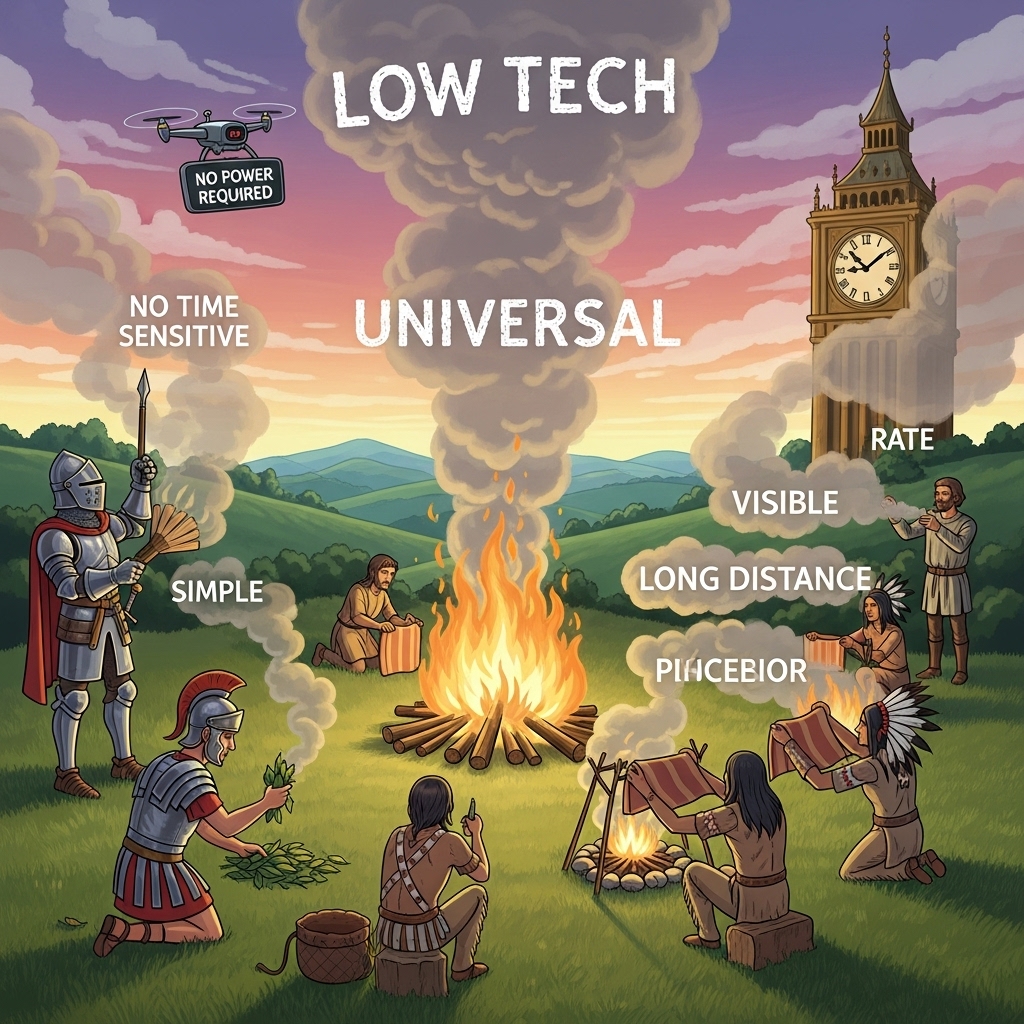
Smoke signal messaging is an ancient form of communication that has been used by various cultures around the world for centuries. This method of messaging involves creating patterns of smoke to convey messages over long distances. While it may seem like an outdated form of communication in today's digital age, smoke signal messaging still has its advantages and can be useful in certain situations. In this article, we will explore the benefits of using smoke signals for messaging and why it remains a relevant form of communication.
Advantages of Smoke Signal Messaging
One of the primary advantages of smoke signal messaging is its ability to convey messages over long distances without the need for modern technology. In areas where cell phone reception or internet connectivity is limited, smoke signals can be an effective way to communicate with others. For example, in wilderness areas or remote villages, smoke signals can be used to send messages to nearby communities or to signal for help in emergency situations. Additionally, smoke signals can be seen from a distance, making them a useful tool for communication in situations where other forms of messaging may not be feasible.
Security and Stealth
Smoke signal messaging also offers a level of security and stealth that other forms of communication may not provide. Because smoke signals are visual and do not rely on electronic signals, they are more difficult to intercept or hack. This makes them a useful tool for military or covert operations where secrecy is paramount. For instance, during wartime, smoke signals can be used to convey messages between troops without alerting the enemy to their presence. Similarly, in situations where secrecy is crucial, such as in search and rescue operations, smoke signals can be used to communicate without compromising the mission.
Environmental Factors
Another advantage of smoke signal messaging is its ability to be used in a variety of environmental conditions. Unlike electronic devices, which can be affected by weather conditions such as rain or extreme temperatures, smoke signals can be used in almost any environment. For example, in areas with high levels of air pollution, smoke signals can be used to communicate when other forms of messaging may be disrupted. Additionally, smoke signals can be used in areas with limited visibility, such as in foggy or dusty conditions, making them a useful tool for communication in a variety of situations.
Simple and Low-Cost
Smoke signal messaging is also a simple and low-cost form of communication. Unlike modern forms of messaging, which require expensive equipment and infrastructure, smoke signals can be created using basic materials such as wood, leaves, and other flammable materials. This makes them a useful tool for communities or individuals with limited resources. For example, in developing countries or rural areas, smoke signals can be used as a primary form of communication, reducing the need for expensive infrastructure and equipment.
Conclusion
In conclusion, smoke signal messaging is a versatile and effective form of communication that offers a range of advantages. From its ability to convey messages over long distances without modern technology, to its security and stealth, environmental durability, and simplicity, smoke signals remain a relevant form of communication in today's world. While it may not be the most modern or efficient form of messaging, smoke signal messaging has its place in certain situations and can be a useful tool for individuals and communities around the world. Whether used in emergency situations, military operations, or everyday communication, smoke signals are a reliable and effective way to convey messages, making them an important part of our communication toolkit.