
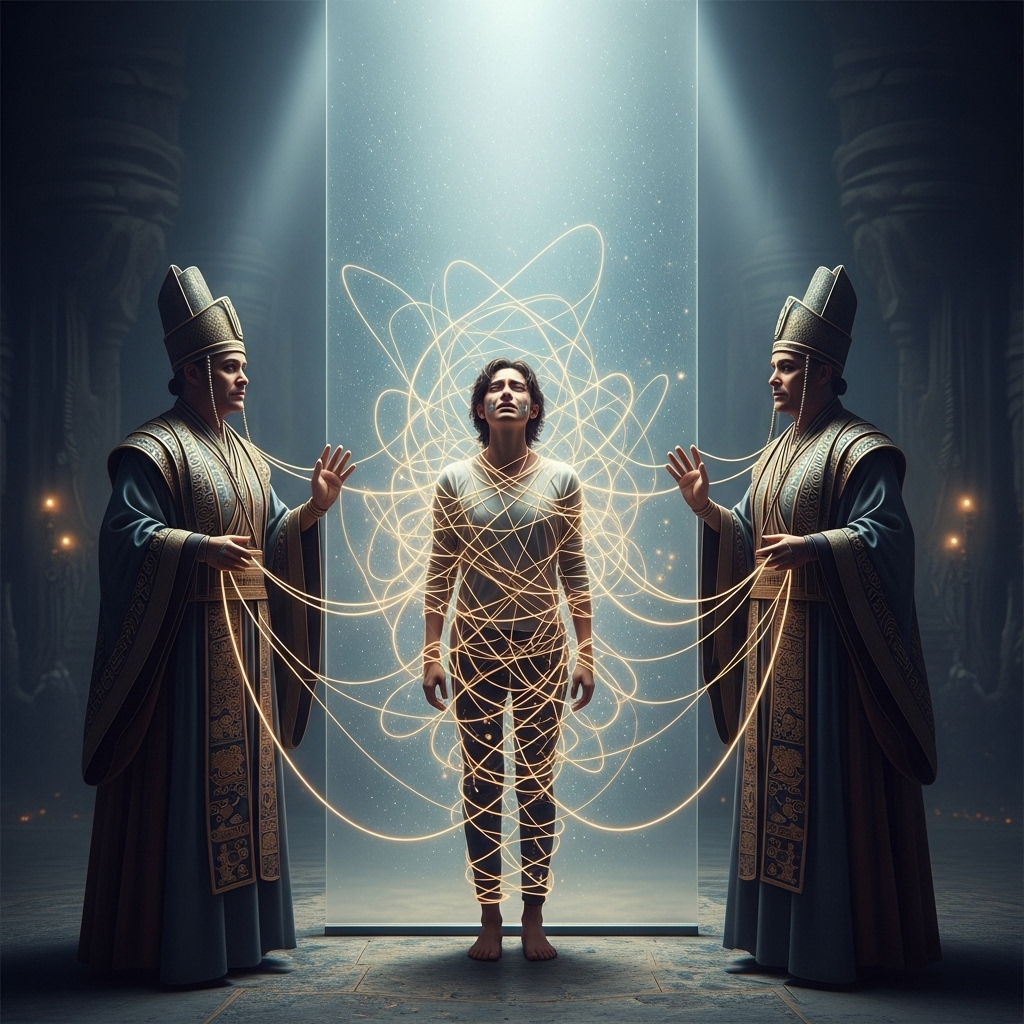
Introduction to Ritual Twins
Ritual twins, also known as twinship or spiritual twins, refer to two individuals who share a deep, spiritual connection that transcends a typical sibling relationship. This phenomenon has been observed in various cultures and is often associated with mystical or supernatural beliefs. While the concept of ritual twins is fascinating, it raises important questions about the psychological effects on children raised by such parents. In this article, we will delve into the world of ritual twins and explore the potential psychological effects on their children.
Understanding Ritual Twins
Ritual twins are typically defined as two individuals who share a strong emotional and spiritual bond, often feeling a sense of unity and interconnectedness. This connection can manifest in various ways, such as shared thoughts, emotions, and experiences. In some cultures, ritual twins are believed to be two halves of the same soul, reunited in this life. The relationship between ritual twins can be intense and all-consuming, often taking precedence over other relationships, including those with their children.
For example, in some African cultures, ritual twins are believed to possess spiritual powers and are often treated with reverence and respect. In these cultures, the children of ritual twins may be raised with the understanding that their parents' relationship is sacred and paramount.
Psychological Effects on Children
Children raised by ritual twins may experience a unique set of psychological effects, both positive and negative. On the one hand, growing up in a household with a strong, loving relationship between parents can be incredibly beneficial for a child's emotional development. Ritual twins often demonstrate a deep understanding and empathy for each other, which can create a nurturing and supportive environment for their children.
However, the intense focus on the twinship can also lead to feelings of exclusion or neglect in children. If the parents' relationship takes precedence over their relationship with their children, kids may feel like they are not receiving the attention and validation they need. This can result in low self-esteem, anxiety, or depression in children.
Emotional Intelligence and Empathy
Children raised by ritual twins may develop exceptional emotional intelligence and empathy due to the intense emotional dynamics within their household. Growing up in an environment where emotions are deeply felt and expressed can help children develop a high level of emotional awareness and understanding. This can be beneficial in their future relationships and personal development.
For instance, a child raised by ritual twins may be more attuned to the emotions of those around them, allowing them to navigate complex social situations with ease. They may also be more empathetic and compassionate, making them more effective friends and partners.
Identity Formation and Differentiation
Children of ritual twins may struggle with identity formation and differentiation, particularly if their parents' relationship is overly enmeshed. When the twinship is the primary focus, children may feel like they are an extension of their parents rather than separate individuals. This can lead to confusion about their own identity, values, and beliefs.
Additionally, children may feel pressure to conform to their parents' expectations or to maintain the family's spiritual or cultural traditions. This can stifle their ability to explore their own interests, values, and passions, potentially leading to identity diffusion or role confusion.
Parent-Child Relationships and Attachment
The parent-child relationship in households with ritual twins can be complex and influenced by the twinship. Children may experience an intense emotional connection with one or both parents, but this connection may be mediated by the parents' relationship with each other. In some cases, children may feel like they are in competition with their parents' twinship for attention and affection.
Attachment styles can also be affected, as children may develop an anxious or insecure attachment pattern due to the unpredictable nature of their parents' relationship. This can impact their ability to form healthy, secure attachments in their own relationships later in life.
Conclusion
In conclusion, the psychological effects of being raised by ritual twins are complex and multifaceted. While the intense emotional connection between parents can create a nurturing environment, it can also lead to feelings of exclusion, low self-esteem, and identity confusion in children. Children raised by ritual twins may develop exceptional emotional intelligence and empathy, but they may also struggle with identity formation, differentiation, and attachment.
Ultimately, the effects of being raised by ritual twins depend on various factors, including the nature of the twinship, the parents' relationship with their children, and the cultural or spiritual context in which they are raised. Further research is needed to fully understand the psychological effects of this unique family dynamic and to provide support and guidance for families navigating these complex relationships.