
Introduction to Read Models
In software systems, data retrieval is a critical aspect of providing a seamless user experience. As the amount of data grows, the complexity of retrieving the right data at the right time also increases. This is where read models come into play. A read model is a data storage mechanism designed specifically for querying and retrieving data, separate from the primary data storage used for writing data. In this article, we will delve into the world of read models, exploring what they are, how they work, and their benefits in optimizing data retrieval in software systems.
Understanding the Need for Read Models
In traditional software architectures, the same database is used for both writing and reading data. However, this approach can lead to performance issues and complexity as the system scales. The primary database is optimized for handling transactions and ensuring data consistency, which can make it less efficient for querying and retrieving data. Read models address this issue by providing a separate data storage layer that is optimized for querying and retrieval, allowing the primary database to focus on its core function of handling transactions.
How Read Models Work
A read model typically works by replicating data from the primary database and transforming it into a format that is optimized for querying. This can involve denormalizing data, creating indexes, and applying caching mechanisms to improve performance. The read model is updated in real-time or near real-time, ensuring that the data remains consistent with the primary database. When a user requests data, the system queries the read model instead of the primary database, resulting in faster response times and reduced latency.
Benefits of Using Read Models
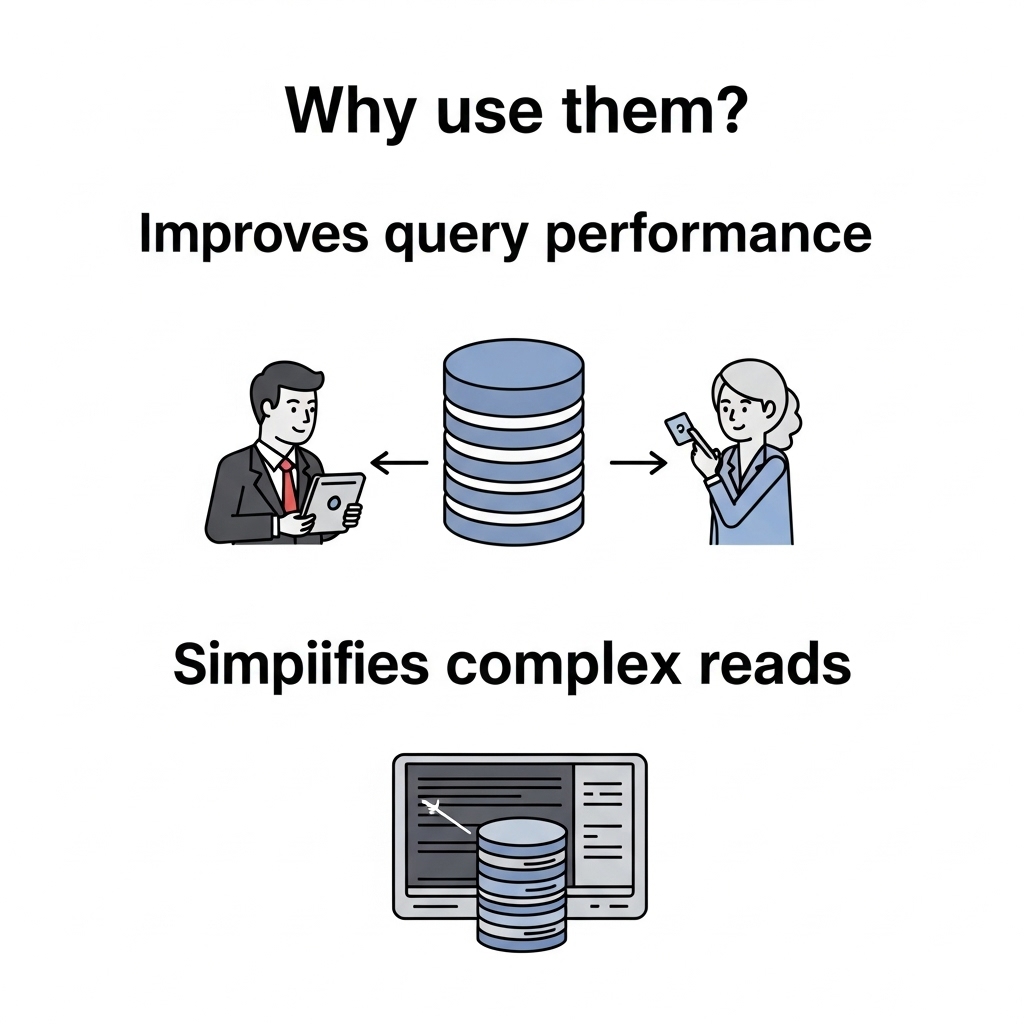
The use of read models offers several benefits, including improved performance, reduced latency, and increased scalability. By offloading the querying and retrieval of data from the primary database, read models can significantly improve the overall performance of the system. Additionally, read models can be optimized for specific use cases, such as reporting or analytics, allowing for more efficient querying and retrieval of data. For example, an e-commerce platform can use a read model to provide fast and efficient product search results, while the primary database handles transactions and order processing.
Types of Read Models
There are several types of read models, each with its own strengths and weaknesses. Some common types of read models include materialized views, data warehouses, and caching layers. Materialized views are pre-computed query results that are stored in a database, allowing for fast querying and retrieval. Data warehouses are centralized repositories that store data from multiple sources, providing a single source of truth for reporting and analytics. Caching layers, on the other hand, store frequently accessed data in memory, reducing the need for database queries.
Implementing Read Models in Software Systems
Implementing read models in software systems requires careful planning and consideration of several factors, including data consistency, scalability, and performance. The first step is to identify the use cases that would benefit from a read model, such as reporting or search functionality. Next, the type of read model to be used must be determined, based on factors such as data volume, query complexity, and performance requirements. The read model must then be designed and implemented, taking into account data transformation, indexing, and caching mechanisms. Finally, the read model must be integrated with the primary database and application logic, ensuring seamless data retrieval and consistency.
Conclusion
In conclusion, read models are a powerful tool for optimizing data retrieval in software systems. By providing a separate data storage mechanism designed specifically for querying and retrieval, read models can improve performance, reduce latency, and increase scalability. Whether used for reporting, analytics, or search functionality, read models can help software systems provide a seamless user experience, even in the face of large amounts of data. As software systems continue to evolve and grow, the use of read models will become increasingly important, allowing developers to build faster, more efficient, and more scalable applications.