
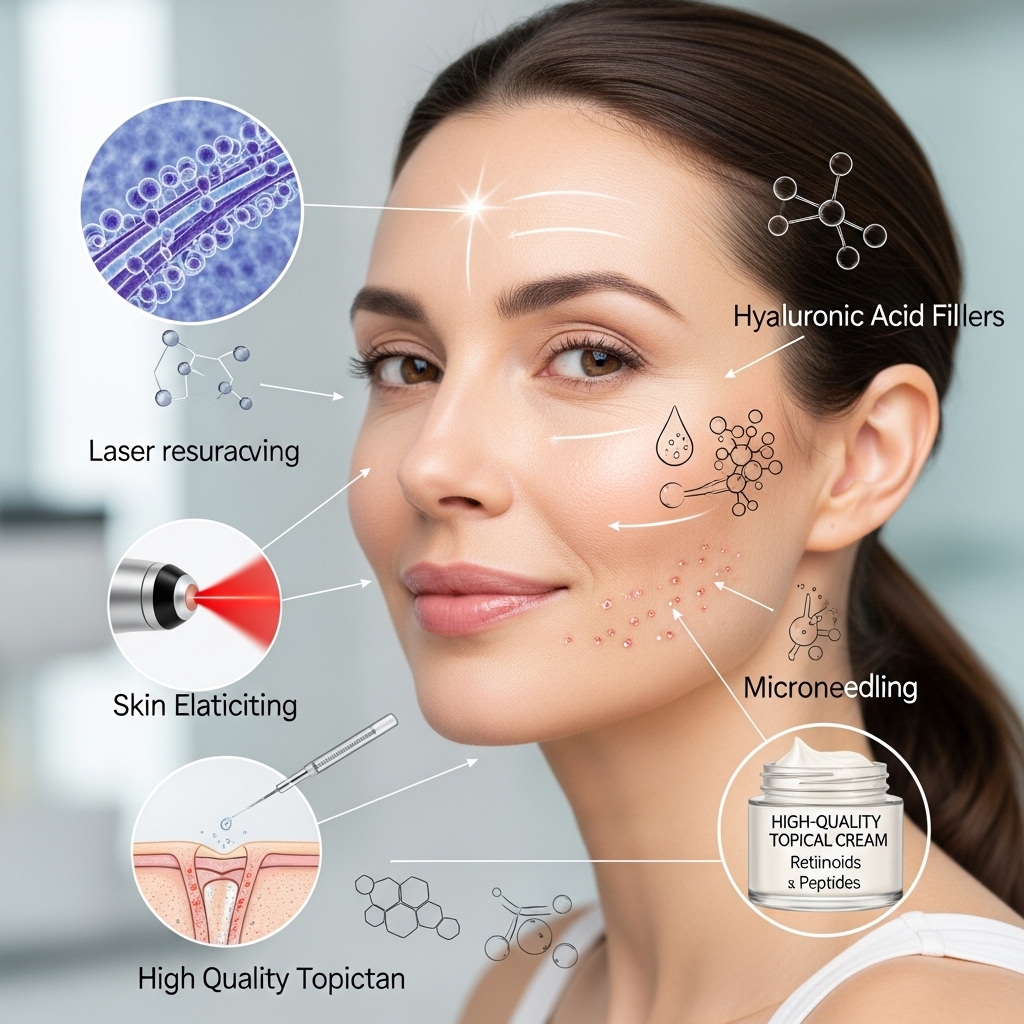
Introduction to Facial Skin Rejuvenation
Facial skin rejuvenation is a broad term that encompasses various treatments and procedures designed to restore a youthful appearance to the face. It targets the signs of aging, such as wrinkles, fine lines, skin laxity, and uneven skin tone, among others. The quest for a more youthful and radiant appearance has led to the development of numerous treatments, ranging from non-invasive to surgical options. This article delves into the effective treatments that enhance facial skin rejuvenation, providing insights into the latest advancements in aesthetic dermatology.
Understanding the Skin Aging Process
Before exploring the treatments, it's essential to understand the skin aging process. Skin aging is influenced by a combination of intrinsic factors, such as genetics and the natural aging process, and extrinsic factors, including sun exposure, smoking, and environmental stressors. These factors lead to the breakdown of collagen and elastin, reduced skin cell turnover, and the accumulation of photoaging effects, all of which contribute to the visible signs of aging. Effective treatments aim to address these underlying changes to rejuvenate the skin.
Non-Invasive Treatments for Facial Rejuvenation
Non-invasive treatments are highly sought after due to their minimal downtime and lower risk of complications compared to surgical procedures. Examples include botulinum toxin injections (e.g., Botox) for relaxing facial muscles and reducing dynamic wrinkles, and dermal fillers (e.g., hyaluronic acid) for filling in static wrinkles and augmenting facial features. Chemical peels and microdermabrasion are also popular for improving skin texture and tone by removing the top layers of the skin. Additionally, non-ablative laser treatments and intense pulsed light (IPL) therapy can stimulate collagen production and address pigmentation issues without damaging the skin's surface.
Laser and Energy-Based Treatments
Laser and energy-based treatments offer a more targeted approach to facial rejuvenation. Ablative lasers, such as CO2 and Er:YAG lasers, remove the top layers of the skin to stimulate collagen production and are effective for deeper wrinkles and skin resurfacing. Non-ablative lasers, on the other hand, stimulate collagen production without removing the skin's surface, reducing downtime. Radiofrequency (RF) and ultrasound devices are also used to heat deeper layers of the skin, promoting collagen remodeling and tightening the skin. These treatments can be tailored to address specific concerns, such as fine lines, skin laxity, and pigmentation.
Chemical Peels and Microdermabrasion
Chemical peels involve applying a solution to the skin to remove the top layers and stimulate the growth of new, smoother skin. The depth of the peel can vary, from superficial to deep, depending on the concentration of the solution and the skin concern being addressed. Microdermabrasion is a non-chemical exfoliating treatment that uses fine crystals to remove dead skin cells, improving skin texture and tone. Both treatments are effective for addressing early signs of aging, hyperpigmentation, and acne scars, and can be combined with other treatments for enhanced results.
Nutritional and Lifestyle Factors in Skin Rejuvenation
While treatments can significantly improve the appearance of the skin, nutritional and lifestyle factors play a crucial role in maintaining and enhancing these results. A diet rich in antioxidants, vitamins, and minerals, particularly vitamin C, vitamin E, and omega-3 fatty acids, supports skin health. Adequate hydration is also essential for maintaining skin elasticity and plumpness. Lifestyle factors, such as avoiding sun exposure, not smoking, and managing stress, are equally important in preventing further skin damage and promoting overall skin rejuvenation.
Conclusion on Facial Skin Rejuvenation
In conclusion, facial skin rejuvenation encompasses a wide range of treatments designed to address the signs of aging and restore a youthful appearance. From non-invasive procedures like botulinum toxin injections and dermal fillers, to more invasive laser and energy-based treatments, the options are vast and can be tailored to individual needs and concerns. Additionally, understanding the skin aging process and adopting a healthy lifestyle, including a balanced diet and sun protection, are crucial for maintaining healthy, rejuvenated skin. By combining these approaches, individuals can achieve significant improvements in their skin's appearance and enjoy a more radiant, youthful look.