
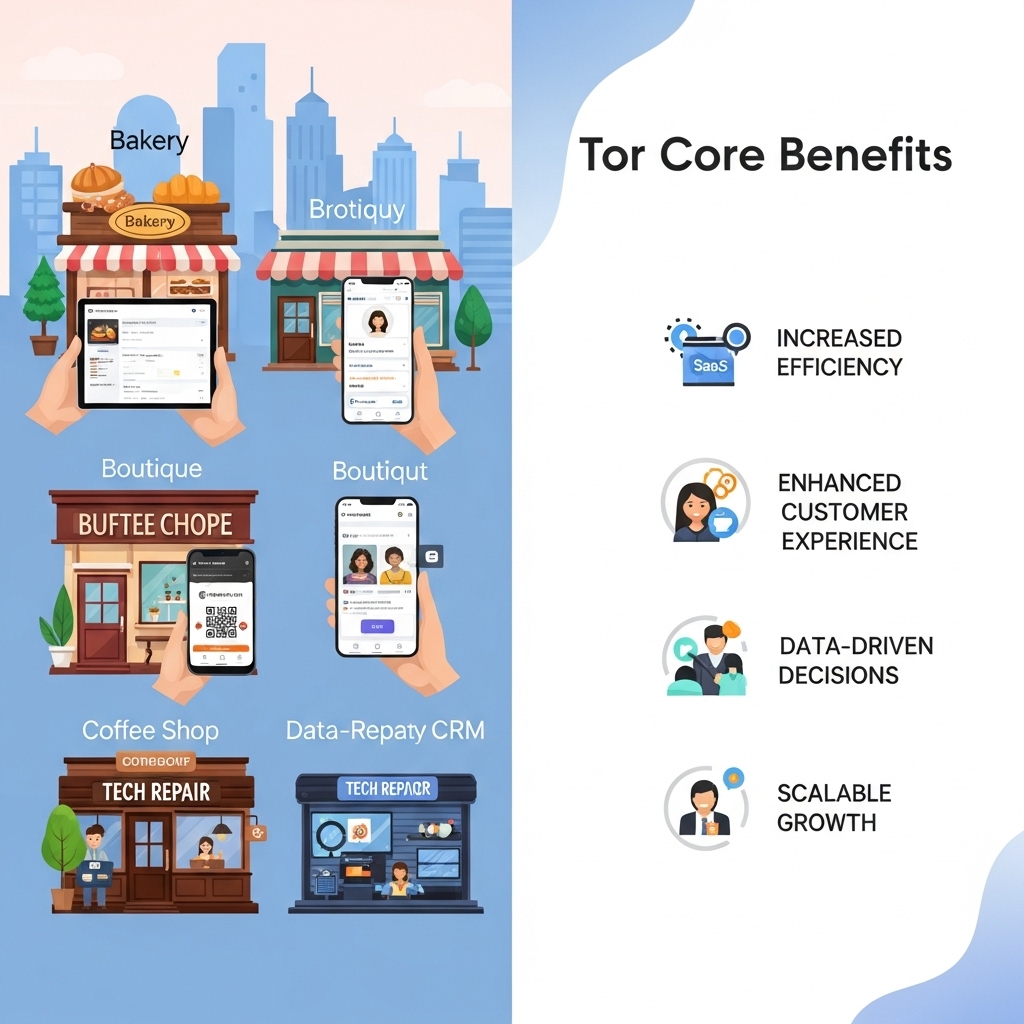
Introduction to SaaS Solutions for Small Businesses
Small businesses are the backbone of any economy, providing employment opportunities and driving innovation. However, they often face unique challenges such as limited resources, tight budgets, and a lack of technical expertise. This is where Software as a Service (SaaS) solutions come in – innovative, cloud-based applications that can help small businesses streamline operations, improve efficiency, and reduce costs. In this article, we will explore some innovative SaaS solutions that can be developed for small businesses, and how they can benefit from these cutting-edge technologies.
Automating Administrative Tasks
Small businesses often have limited staff and resources, which means that administrative tasks can be time-consuming and take away from more important activities such as sales and marketing. SaaS solutions can help automate tasks such as bookkeeping, invoicing, and payroll processing, freeing up staff to focus on core business activities. For example, cloud-based accounting software like QuickBooks or Xero can help small businesses manage their finances, track expenses, and generate invoices. Similarly, SaaS-based HR management tools like BambooHR or Gusto can help with employee onboarding, time-off requests, and benefits administration.
Enhancing Customer Engagement
Customer engagement is critical for small businesses, as it can help build loyalty, drive sales, and improve customer retention. SaaS solutions can help small businesses enhance customer engagement through innovative marketing automation tools, customer relationship management (CRM) software, and social media management platforms. For instance, email marketing tools like Mailchimp or Constant Contact can help small businesses create and send targeted email campaigns, while CRM software like HubSpot or Salesforce can help them manage customer interactions and track sales leads. Social media management platforms like Hootsuite or Sprout Social can help small businesses schedule posts, engage with customers, and monitor their online reputation.
Improving Operational Efficiency
Small businesses often struggle with operational inefficiencies, which can lead to wasted time, reduced productivity, and increased costs. SaaS solutions can help improve operational efficiency by streamlining workflows, automating tasks, and providing real-time visibility into business operations. For example, project management tools like Asana or Trello can help small businesses manage projects, assign tasks, and track progress. Inventory management software like TradeGecko or Zoho Inventory can help small businesses track stock levels, manage orders, and optimize supply chains. Similarly, SaaS-based field service management tools like ServiceMax or Workiz can help small businesses manage field operations, schedule appointments, and track worker productivity.
Providing Data-Driven Insights
Small businesses often lack the resources and expertise to collect, analyze, and interpret data, which can make it difficult to make informed business decisions. SaaS solutions can provide small businesses with data-driven insights, helping them to identify trends, opportunities, and challenges. For instance, analytics tools like Google Analytics or Mixpanel can help small businesses track website traffic, monitor user behavior, and measure conversion rates. SaaS-based business intelligence tools like Tableau or Power BI can help small businesses connect to various data sources, create interactive dashboards, and generate reports. Similarly, market research tools like SurveyMonkey or Medallia can help small businesses collect customer feedback, conduct surveys, and analyze market trends.
Ensuring Security and Compliance
Small businesses are often vulnerable to cyber threats, data breaches, and regulatory non-compliance, which can damage their reputation, compromise customer data, and result in significant fines. SaaS solutions can help small businesses ensure security and compliance by providing robust security features, data encryption, and regulatory compliance tools. For example, cloud-based security software like Norton or McAfee can help small businesses protect against malware, viruses, and ransomware. SaaS-based compliance tools like Compliance.ai or Reciprocity can help small businesses manage regulatory requirements, track compliance, and generate reports. Similarly, data backup and recovery tools like Backblaze or Acronis can help small businesses protect their data, ensure business continuity, and meet regulatory requirements.
Conclusion
In conclusion, innovative SaaS solutions can help small businesses streamline operations, improve efficiency, and reduce costs. By automating administrative tasks, enhancing customer engagement, improving operational efficiency, providing data-driven insights, and ensuring security and compliance, SaaS solutions can help small businesses thrive in a competitive market. As the SaaS industry continues to evolve, we can expect to see even more innovative solutions emerge, addressing the unique challenges faced by small businesses. Whether you are a startup or an established small business, it's essential to explore the many SaaS solutions available and find the ones that best meet your needs, helping you to achieve your business goals and succeed in the long term.