
Introduction
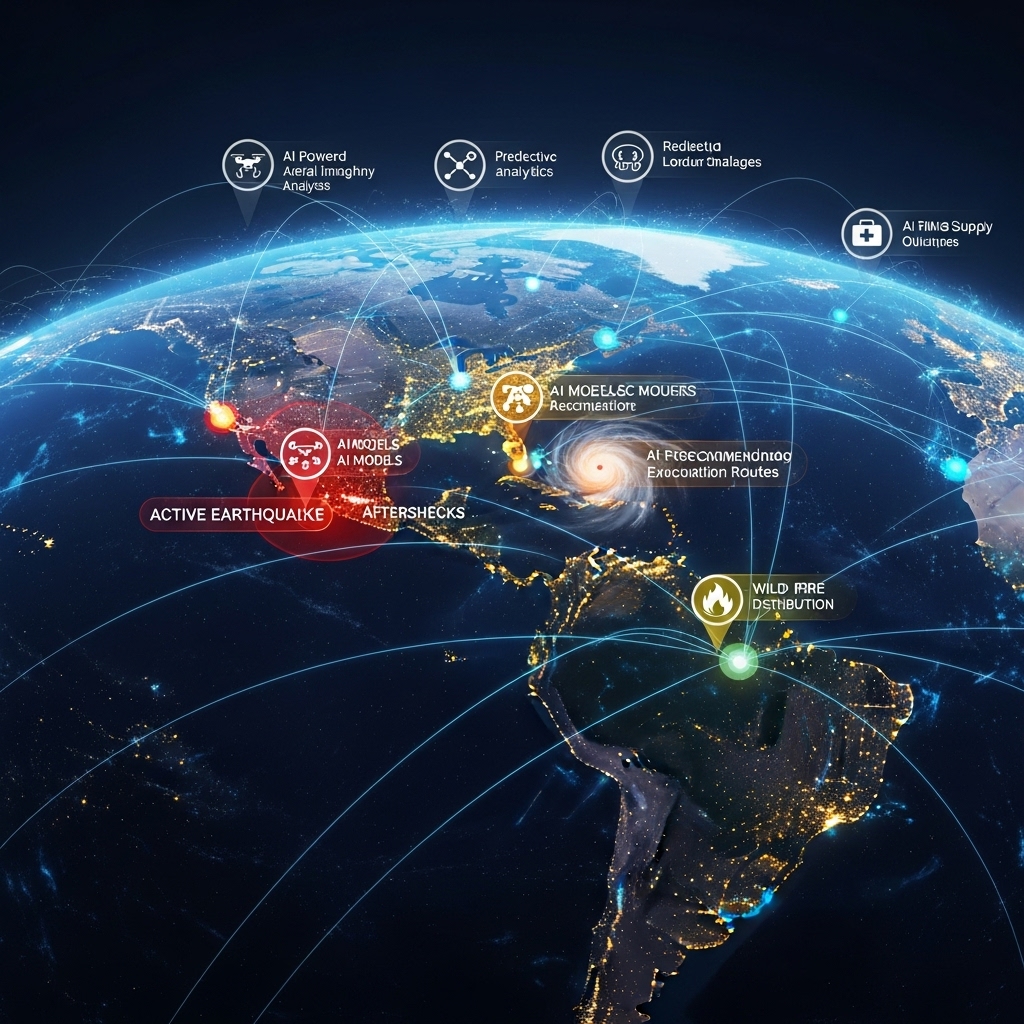
Disaster response efforts are a critical aspect of humanitarian work, aiming to provide timely and effective assistance to individuals affected by natural disasters, conflicts, and other crises. The increasing frequency and severity of disasters worldwide have underscored the need for innovative solutions to enhance response efforts. Artificial Intelligence (AI) has emerged as a promising tool in this context, offering a range of applications that can improve the speed, efficiency, and impact of disaster response. This article explores how AI can enhance disaster response efforts globally, highlighting its potential, current applications, and future directions.
Enhancing Disaster Prediction and Prevention
One of the most significant ways AI can contribute to disaster response is by enhancing prediction and prevention capabilities. AI algorithms can analyze vast amounts of data from various sources, including satellite imagery, sensor data, and historical records, to predict the likelihood and potential impact of disasters such as hurricanes, earthquakes, and floods. For example, AI-powered systems can analyze satellite images to detect early signs of drought, allowing for early intervention and mitigation measures. Moreover, AI can help identify areas of high risk and vulnerability, enabling targeted prevention and preparedness efforts.
Improving Disaster Response Coordination
AI can significantly improve disaster response coordination by enhancing communication, data management, and decision-making. AI-powered systems can quickly process and analyze large amounts of data from various sources, providing responders with real-time insights and situational awareness. For instance, AI can help track the location and status of responders, victims, and resources, facilitating more effective allocation and deployment. Additionally, AI-powered chatbots and virtual assistants can help respond to inquiries and provide critical information to affected individuals, reducing the workload of human responders and enabling them to focus on high-priority tasks.
Optimizing Resource Allocation and Logistics
AI can optimize resource allocation and logistics in disaster response by analyzing data on resource availability, demand, and transportation networks. AI algorithms can identify the most efficient routes for delivering aid, prioritize resource allocation based on need, and predict potential supply chain disruptions. For example, AI can help optimize the deployment of emergency supplies, such as food, water, and medical equipment, ensuring that they reach those in need quickly and efficiently. Furthermore, AI can help responders identify and leverage local resources, such as community centers and volunteer networks, to support response efforts.
Supporting Damage Assessment and Recovery
AI can support damage assessment and recovery efforts by analyzing data from various sources, including satellite and aerial imagery, social media, and field reports. AI algorithms can quickly identify areas of damage, assess the extent of destruction, and prioritize recovery efforts. For instance, AI-powered systems can analyze satellite images to detect damaged infrastructure, such as roads, bridges, and buildings, enabling responders to focus on critical repairs and reconstruction. Additionally, AI can help identify opportunities for sustainable reconstruction and community development, supporting long-term recovery and resilience.
Addressing Ethical and Operational Challenges
While AI holds significant promise for enhancing disaster response efforts, its deployment also raises ethical and operational challenges. These include concerns around data privacy and security, algorithmic bias, and the need for human oversight and accountability. To address these challenges, it is essential to develop and implement AI systems that are transparent, explainable, and aligned with humanitarian principles and values. This requires close collaboration between AI developers, humanitarian organizations, and affected communities to ensure that AI is used in ways that are responsible, effective, and respectful of human rights and dignity.
Conclusion
In conclusion, AI has the potential to significantly enhance disaster response efforts globally, from prediction and prevention to response and recovery. By leveraging AI's capabilities in data analysis, prediction, and optimization, humanitarian organizations and responders can improve the speed, efficiency, and impact of their efforts, ultimately saving lives and reducing suffering. However, it is crucial to address the ethical and operational challenges associated with AI deployment, ensuring that its use is responsible, effective, and aligned with humanitarian principles and values. As the field of humanitarian tech continues to evolve, it is essential to prioritize collaboration, innovation, and accountability, harnessing the power of AI to create a more resilient and compassionate world.