
Introduction
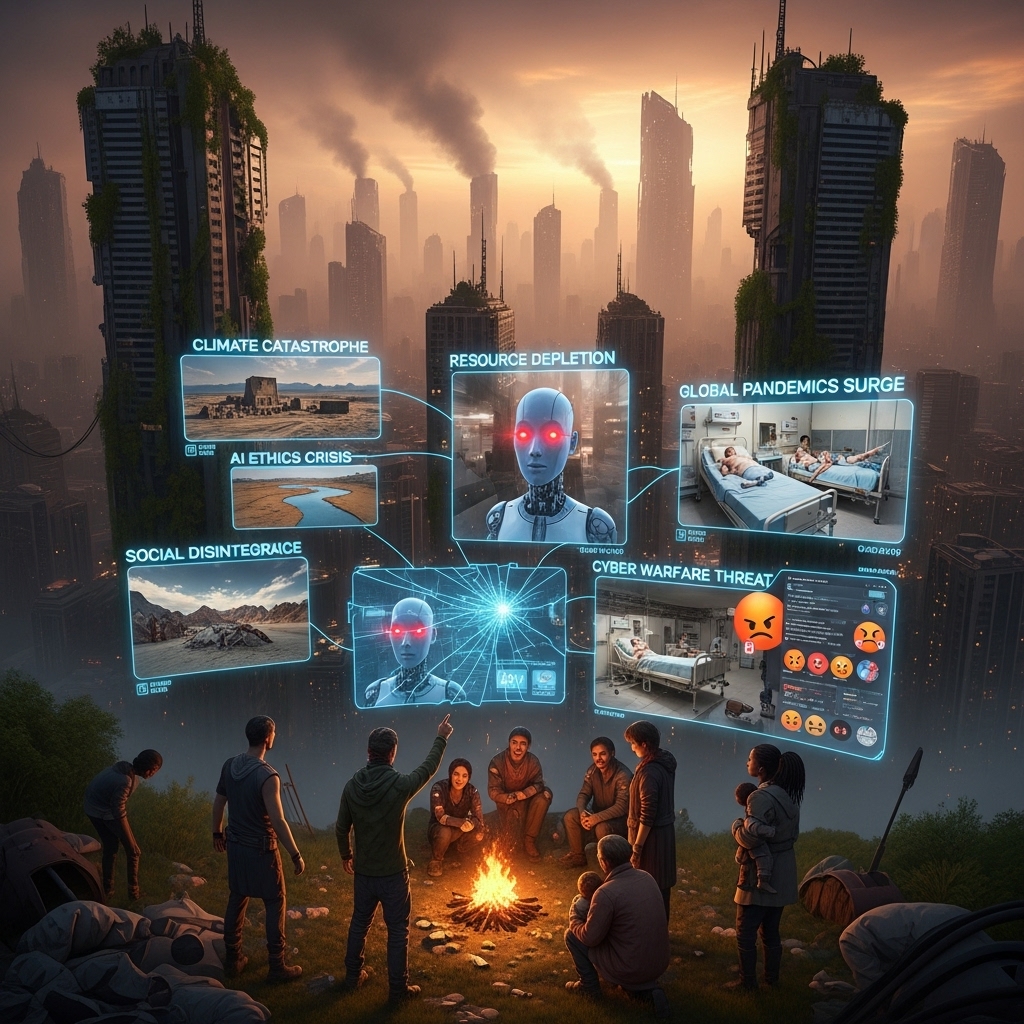
As we move forward in the 21st century, humanity is faced with a multitude of challenges that threaten our very survival and progress. From environmental degradation to social inequality, these issues are complex, interconnected, and require immediate attention. In this article, we will explore some of the most pressing concerns for humanity's future survival and progress, and discuss potential solutions to address these challenges. The future of our planet and its inhabitants depends on our ability to work together to mitigate these risks and create a more sustainable, equitable, and just world for all.
Environmental Degradation and Climate Change
One of the most pressing concerns for humanity's future survival is environmental degradation and climate change. The alarming rate of global warming, deforestation, and pollution is having a devastating impact on our planet's ecosystems and biodiversity. Rising temperatures are causing melting of polar ice caps, sea-level rise, and extreme weather events, which in turn are affecting human settlements, agriculture, and economies. For example, the 2019-2020 Australian bushfires burned over 10 million hectares of land, killing hundreds of people and millions of animals, and releasing massive amounts of carbon dioxide into the atmosphere. To combat climate change, we need to transition to renewable energy sources, increase energy efficiency, and protect natural carbon sinks like forests and oceans.
Social Inequality and Economic Disparities
Social inequality and economic disparities are another major concern for humanity's future progress. The widening gap between the rich and the poor, both within and between countries, is leading to social unrest, conflict, and political instability. According to the United Nations, the world's richest 1% now own more wealth than the rest of the global population combined. This is not only morally unjust but also hinders economic growth, as it limits opportunities for education, innovation, and entrepreneurship. For instance, in the United States, the median wealth of white families is 12 times that of African American families, perpetuating a cycle of poverty and inequality. To address this issue, we need to implement policies that promote fair taxation, affordable education, and job creation, as well as address systemic discrimination and bias.
Global Health and Pandemics
Global health and pandemics are a significant concern for humanity's future survival and progress. The COVID-19 pandemic has highlighted the need for robust healthcare systems, international cooperation, and preparedness to respond to emerging health threats. The pandemic has also exposed weaknesses in global supply chains, economic resilience, and social safety nets. For example, the lack of access to healthcare, sanitation, and hygiene in many parts of the world has exacerbated the spread of infectious diseases, including COVID-19, tuberculosis, and malaria. To address this issue, we need to invest in healthcare infrastructure, research and development, and global health governance, as well as promote healthy behaviors and lifestyles.
Technological Advancements and Job Displacement
Technological advancements, particularly in the field of artificial intelligence and automation, are transforming the nature of work and the economy. While these advancements have the potential to increase productivity and efficiency, they also pose significant risks of job displacement, skills obsolescence, and social disruption. According to a report by the McKinsey Global Institute, up to 800 million jobs could be lost worldwide due to automation by 2030. To mitigate this risk, we need to invest in education and retraining programs, promote lifelong learning, and implement policies that protect workers' rights and social welfare. For instance, countries like Finland and Singapore have implemented programs to upskill and reskill workers, ensuring that they remain relevant in an increasingly automated economy.
Nuclear Proliferation and Global Security
Nuclear proliferation and global security are critical concerns for humanity's future survival. The threat of nuclear war, whether intentional or accidental, poses an existential risk to human civilization. The ongoing tensions between nuclear-armed states, such as the United States, Russia, and North Korea, have raised concerns about the stability of the global security landscape. For example, the 2018 nuclear crisis between the United States and North Korea highlighted the dangers of nuclear brinksmanship and the need for diplomatic engagement. To address this issue, we need to strengthen international institutions, promote disarmament and non-proliferation efforts, and foster dialogue and cooperation between nations.
Conclusion
In conclusion, humanity's future survival and progress are threatened by a range of pressing concerns, from environmental degradation and social inequality to global health and nuclear proliferation. Addressing these challenges requires a collective effort from governments, civil society, and individuals to promote sustainable development, social justice, and global cooperation. By working together, we can create a more equitable, peaceful, and prosperous world for all, where everyone has access to the resources and opportunities they need to thrive. The future of humanity depends on our ability to rise to these challenges and build a better world for generations to come. We must act now to mitigate these risks and create a brighter future for all.