
Introduction
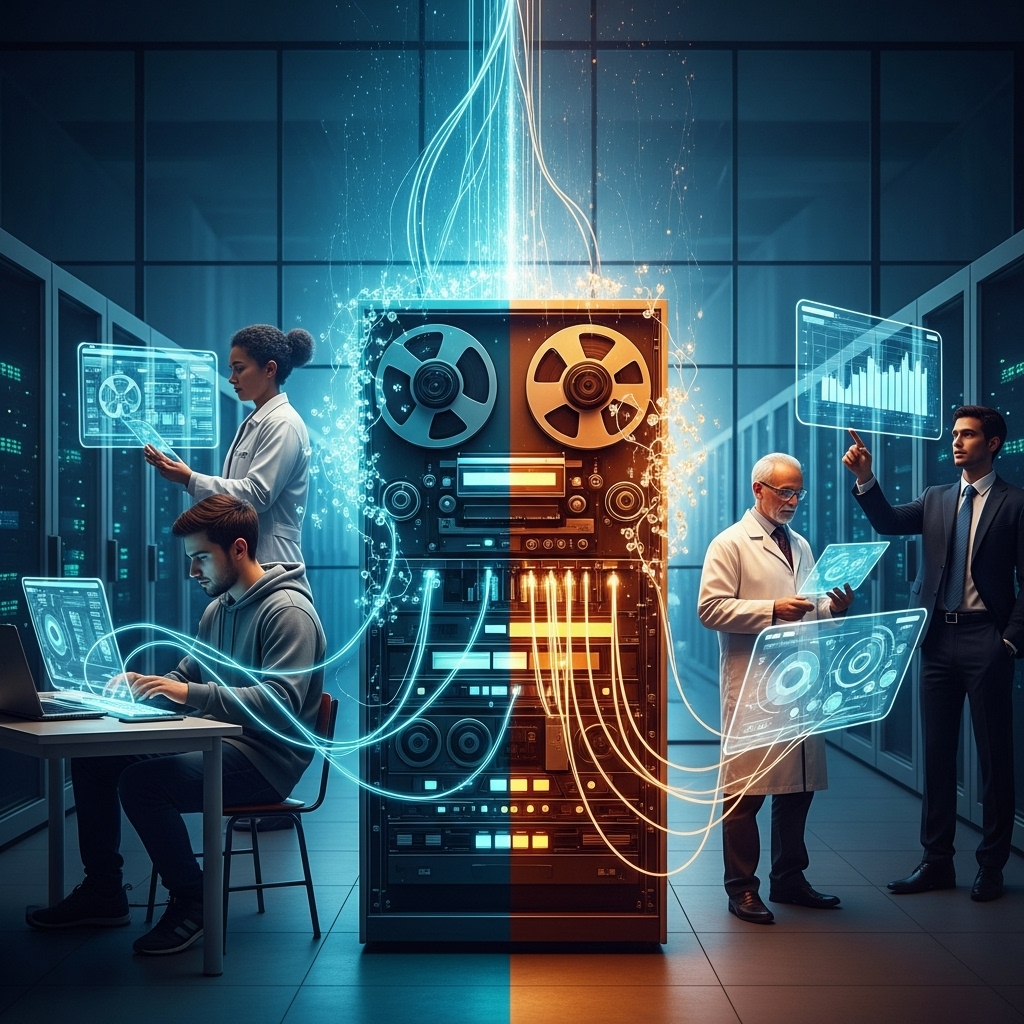
The world of technology is constantly evolving, with new innovations and advancements being made every day. However, as we move forward, it's essential to consider the legacy computing systems that have been the backbone of our technological infrastructure for decades. These systems, which were once state-of-the-art, are now facing challenges in keeping up with the demands of modern technology. In this article, we'll explore the future of legacy computing systems and what it means for the industry as a whole.
The Current State of Legacy Computing Systems
Legacy computing systems refer to outdated hardware and software that are still in use today. These systems were designed to meet the needs of a bygone era and often lack the scalability, security, and functionality required by modern applications. Despite their limitations, many organizations continue to rely on legacy systems due to the significant investment they've made in them over the years. For example, many financial institutions still use mainframe computers that were first introduced in the 1960s. These systems are often difficult to replace or upgrade, making them a significant challenge for organizations looking to modernize their IT infrastructure.
Challenges Facing Legacy Computing Systems
There are several challenges facing legacy computing systems in modern technology. One of the primary concerns is security. Legacy systems often lack the security features and protocols necessary to protect against modern cyber threats. This makes them vulnerable to attacks and data breaches, which can have devastating consequences for organizations. Another challenge is compatibility. Legacy systems often use outdated programming languages and hardware that are no longer supported by modern software and devices. This can make it difficult to integrate legacy systems with newer technologies, limiting their ability to communicate and share data effectively.
Modernization Strategies
So, what can be done to address the challenges facing legacy computing systems? One approach is to modernize these systems by upgrading their hardware and software to make them more compatible with modern technology. This can involve replacing outdated components with newer ones, such as migrating from mainframe computers to cloud-based infrastructure. Another approach is to use emulation or virtualization techniques to run legacy applications on modern hardware. This allows organizations to continue using their legacy systems while still benefiting from the advantages of modern technology. For example, the US Department of Defense has successfully migrated many of its legacy systems to cloud-based infrastructure, resulting in significant cost savings and improved efficiency.
Cloud Computing and Legacy Systems
Cloud computing has revolutionized the way we think about IT infrastructure, and it's having a significant impact on legacy computing systems. By migrating legacy systems to the cloud, organizations can take advantage of scalable, on-demand computing resources and reduce their capital expenditures. Cloud computing also provides a more secure and reliable environment for legacy systems, with built-in security features and redundancy. However, migrating legacy systems to the cloud can be a complex and challenging process, requiring significant planning and resources. For instance, the cloud-based infrastructure must be designed to meet the specific needs of the legacy system, and the migration process must be carefully managed to minimize downtime and data loss.
Preserving Legacy Computing Heritage
As we move forward with modern technology, it's essential to preserve our legacy computing heritage. This can be done by creating museums and archives that showcase the history of computing, as well as by documenting and preserving legacy systems and software. The Computer History Museum in California is an excellent example of this, with its extensive collection of vintage computers and software. Preserving our legacy computing heritage not only helps us appreciate the progress we've made but also provides valuable insights into the development of modern technology.
Conclusion
In conclusion, the future of legacy computing systems in modern technology is complex and multifaceted. While these systems face significant challenges, they still play a critical role in many organizations. By modernizing legacy systems, using cloud computing, and preserving our legacy computing heritage, we can ensure that these systems continue to serve us well into the future. As we move forward, it's essential to strike a balance between preserving the past and embracing the latest innovations, ultimately creating a brighter future for the technology industry as a whole.