
Introduction to Synthetic Gene Drives
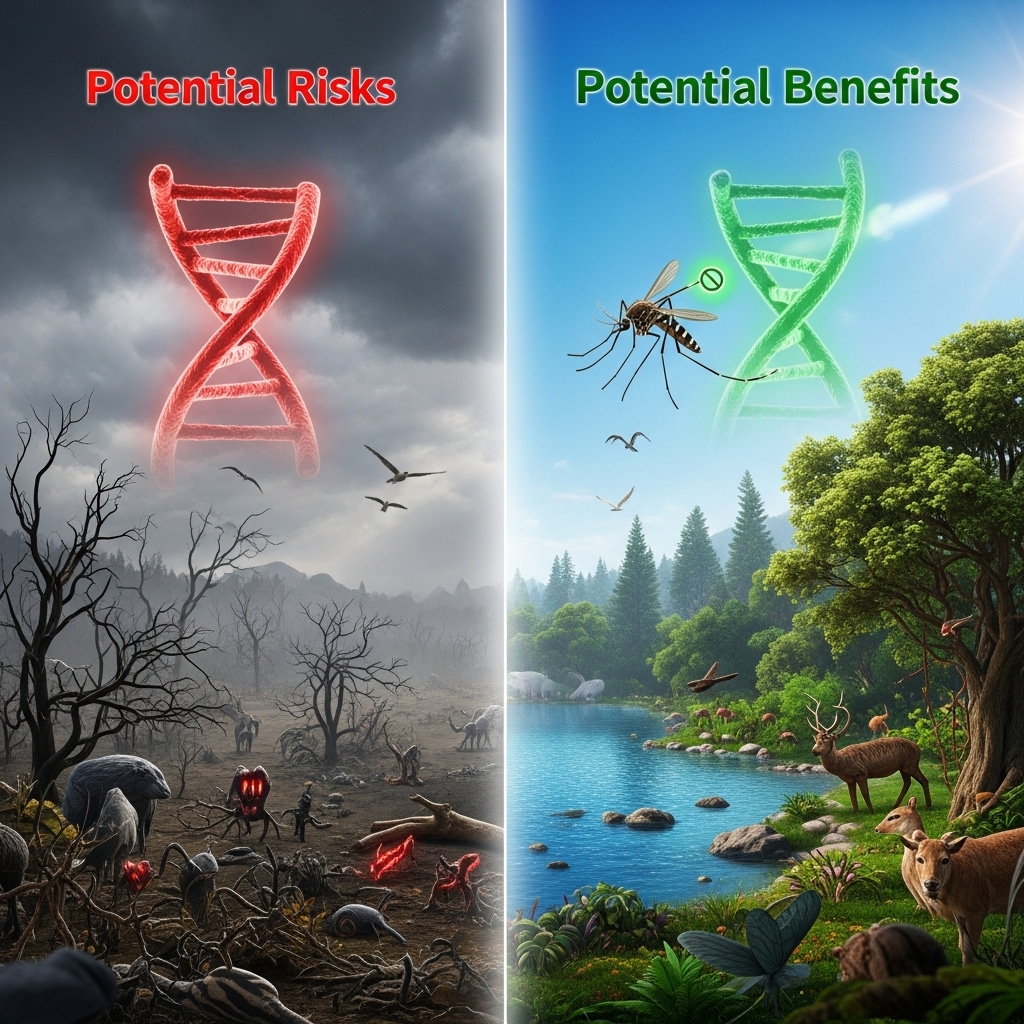
Synthetic gene drives are a revolutionary technology that has the potential to transform the way we approach genetic engineering and ecosystem management. By leveraging the power of CRISPR-Cas9 gene editing, scientists can now create genetic elements that can spread rapidly through populations, potentially leading to the eradication of diseases, invasive species, and other ecological threats. However, as with any powerful technology, there are also potential risks and unintended consequences associated with synthetic gene drives. In this article, we will explore the potential benefits and risks of synthetic gene drives in ecosystems, and examine the current state of research in this field.
What are Synthetic Gene Drives?
Synthetic gene drives are genetic elements that are designed to spread rapidly through a population, often by "hacking" the normal rules of inheritance. In a typical genetic system, each parent contributes one copy of a gene to their offspring, resulting in a 50% chance of passing on a particular trait. However, synthetic gene drives can override this process, ensuring that the genetic element is passed on to nearly all offspring. This is achieved through the use of CRISPR-Cas9, which allows scientists to precisely edit genes and create self-replicating genetic elements. For example, researchers have used synthetic gene drives to create mosquitoes that are resistant to malaria, with the goal of eventually eradicating the disease.
Potential Benefits of Synthetic Gene Drives
The potential benefits of synthetic gene drives are numerous and significant. One of the most promising applications is in the control of invasive species, which can cause devastating ecological and economic damage. For example, the introduction of invasive rodents to island ecosystems has led to the extinction of numerous native species. Synthetic gene drives could potentially be used to eradicate these invasive populations, restoring balance to the ecosystem. Additionally, synthetic gene drives could be used to control the spread of diseases, such as malaria and Zika virus, by creating mosquito populations that are resistant to these diseases. Other potential benefits include the control of agricultural pests, the conservation of endangered species, and the restoration of damaged ecosystems.
Potential Risks of Synthetic Gene Drives
Despite the potential benefits, there are also significant risks associated with synthetic gene drives. One of the primary concerns is the potential for unintended consequences, such as the creation of "superpests" that are resistant to control measures. For example, if a synthetic gene drive is used to control a pest species, but the drive is not specific enough, it could potentially spread to non-target species, leading to unforeseen ecological consequences. Additionally, there is a risk of "gene flow" between different populations, which could lead to the spread of the synthetic gene drive to unintended areas. This could have significant ecological and economic implications, particularly if the drive is not reversible. Other potential risks include the potential for synthetic gene drives to be used as a form of biological warfare, and the ethical implications of manipulating ecosystems on a large scale.
Examples of Synthetic Gene Drives in Action
Several examples of synthetic gene drives have already been developed and tested in laboratory settings. For example, researchers have created synthetic gene drives that can spread rapidly through populations of mosquitoes, fruit flies, and other insects. These drives have been designed to control the spread of diseases, such as malaria and dengue fever, and to eradicate invasive species. One notable example is the "malaria-free" mosquito, which has been engineered to be resistant to the parasite that causes malaria. This mosquito has been shown to be highly effective in laboratory trials, and is currently being tested in field trials in several countries. Other examples include the development of synthetic gene drives to control the spread of invasive rodents, and to conserve endangered species such as the black-footed ferret.
Regulation and Governance of Synthetic Gene Drives
The regulation and governance of synthetic gene drives is a complex and evolving issue. Currently, there is no international framework for the regulation of synthetic gene drives, although several countries have established their own guidelines and regulations. For example, the United States has established a regulatory framework for the use of synthetic gene drives in agriculture, while the European Union has established a framework for the regulation of genetically modified organisms. However, there is a need for greater international cooperation and agreement on the regulation of synthetic gene drives, particularly given the potential for these technologies to have global implications. Additionally, there is a need for greater public engagement and debate on the ethics and implications of synthetic gene drives, to ensure that these technologies are developed and used in a responsible and transparent manner.
Conclusion
In conclusion, synthetic gene drives have the potential to revolutionize the way we approach genetic engineering and ecosystem management. However, as with any powerful technology, there are also potential risks and unintended consequences associated with synthetic gene drives. It is essential that we carefully consider these risks and benefits, and establish a regulatory framework that ensures the safe and responsible use of these technologies. Additionally, we must engage in ongoing public debate and discussion about the ethics and implications of synthetic gene drives, to ensure that these technologies are developed and used in a manner that is transparent, accountable, and responsible. With careful consideration and responsible development, synthetic gene drives could potentially be used to address some of the world's most pressing ecological and health challenges, and to create a more sustainable and equitable future for all.