
Introduction to Blockchain Business Models
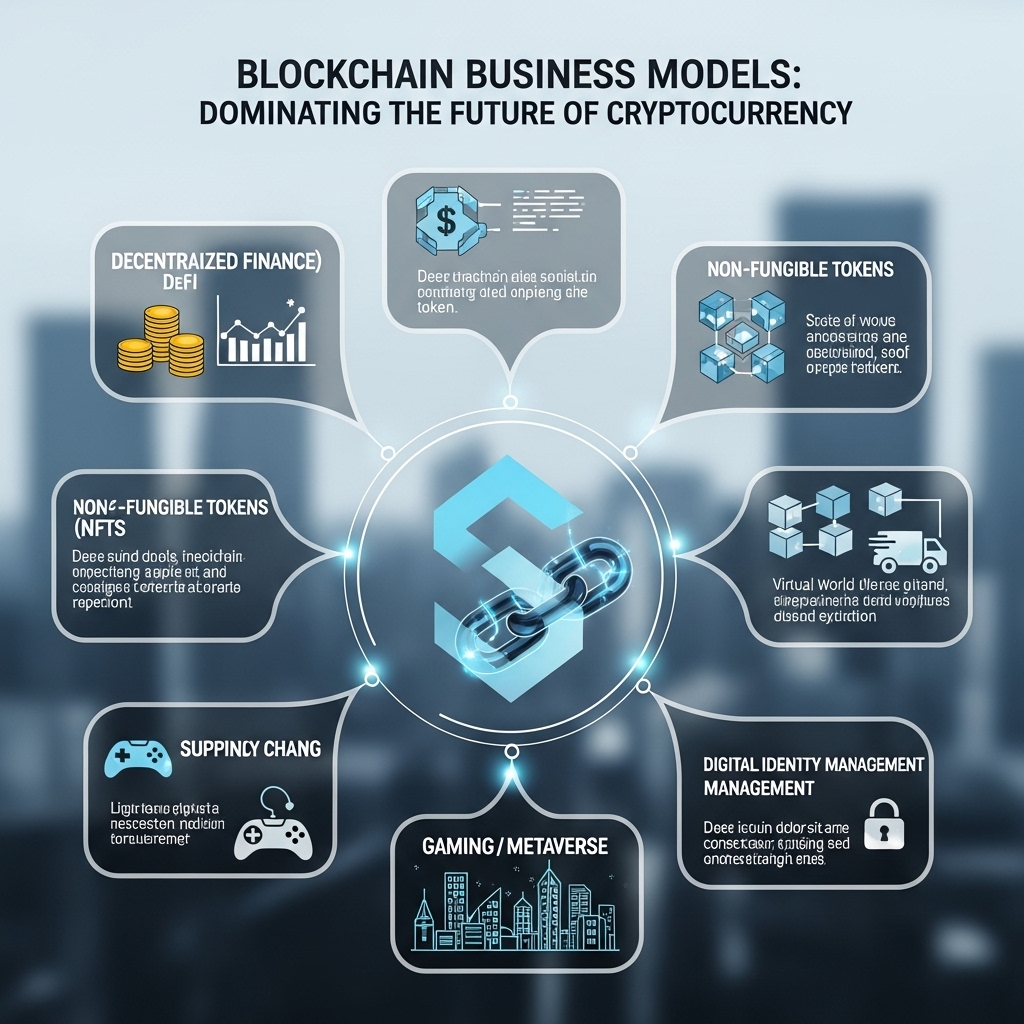
The rise of cryptocurrency and blockchain technology has opened up new avenues for businesses to operate and generate revenue. As the industry continues to evolve, it's essential to explore the various blockchain business models that will shape the future of cryptocurrency. In this article, we'll delve into the different models that are gaining traction and discuss their potential for dominance in the market. From decentralized finance (DeFi) to non-fungible tokens (NFTs), we'll examine the most promising blockchain business models and their applications.
Decentralized Finance (DeFi) Business Models
DeFi has been one of the most significant trends in the cryptocurrency space, with a wide range of applications and use cases. DeFi business models focus on providing financial services, such as lending, borrowing, and trading, without the need for traditional intermediaries like banks. Platforms like Compound, Aave, and Uniswap have already gained popularity, offering users decentralized alternatives to traditional financial services. For instance, Compound allows users to lend and borrow cryptocurrencies, earning interest on their holdings, while Aave provides flash loans and other DeFi services. As DeFi continues to grow, we can expect to see more innovative business models emerge, such as decentralized insurance and prediction markets.
Non-Fungible Token (NFT) Business Models
NFTs have taken the cryptocurrency world by storm, with digital art, collectibles, and virtual real estate being sold for millions of dollars. NFT business models focus on creating unique, verifiable, and tradable digital assets. Platforms like OpenSea, Rarible, and SuperRare have emerged as leading marketplaces for buying, selling, and trading NFTs. For example, OpenSea allows artists to create and sell digital art, while Rarible enables users to create and trade unique digital collectibles. As the NFT market continues to expand, we can expect to see more innovative applications, such as virtual events, gaming, and social media platforms.
Blockchain Gaming Business Models
Blockchain gaming has been gaining traction, with a growing number of games incorporating cryptocurrency and NFTs into their ecosystems. Blockchain gaming business models focus on creating immersive and engaging experiences, often with play-to-earn mechanics. Games like Axie Infinity, Decentraland, and The Sandbox have already gained popularity, allowing players to earn cryptocurrency and NFTs while playing. For instance, Axie Infinity allows players to breed, raise, and battle digital creatures, earning cryptocurrency and NFTs in the process. As blockchain gaming continues to evolve, we can expect to see more sophisticated business models emerge, such as decentralized gaming platforms and virtual reality experiences.
Blockchain-as-a-Service (BaaS) Business Models
BaaS business models focus on providing blockchain infrastructure and services to businesses, allowing them to build and deploy blockchain-based applications without the need for extensive technical expertise. Platforms like Amazon Web Services (AWS) and Microsoft Azure have already launched BaaS offerings, providing businesses with a range of blockchain tools and services. For example, AWS offers a blockchain template for Ethereum, allowing businesses to quickly deploy and manage Ethereum-based applications. As more businesses adopt blockchain technology, we can expect to see more BaaS providers emerge, offering a range of services and solutions.
Security Token Offering (STO) Business Models
STO business models focus on providing a secure and compliant way for businesses to raise capital through token sales. STOs offer a more regulated alternative to initial coin offerings (ICOs), providing investors with greater protection and security. Platforms like Polymath and Harbor have emerged as leading STO platforms, allowing businesses to issue and trade security tokens. For instance, Polymath provides a platform for businesses to create and manage security tokens, while Harbor offers a range of STO services, including tokenization and compliance. As regulatory environments continue to evolve, we can expect to see more STO business models emerge, providing businesses with new ways to raise capital and investors with greater security.
Conclusion: The Future of Blockchain Business Models
In conclusion, the future of cryptocurrency will be shaped by a range of innovative blockchain business models. From DeFi and NFTs to blockchain gaming and BaaS, these models are transforming the way businesses operate and generate revenue. As the industry continues to evolve, we can expect to see more sophisticated and complex business models emerge, providing new opportunities for growth and innovation. Whether you're an investor, entrepreneur, or simply a cryptocurrency enthusiast, understanding these blockchain business models is essential for navigating the future of cryptocurrency. As the space continues to mature, we can expect to see more mainstream adoption, regulatory clarity, and innovation, ultimately leading to a more robust and sustainable cryptocurrency ecosystem.