
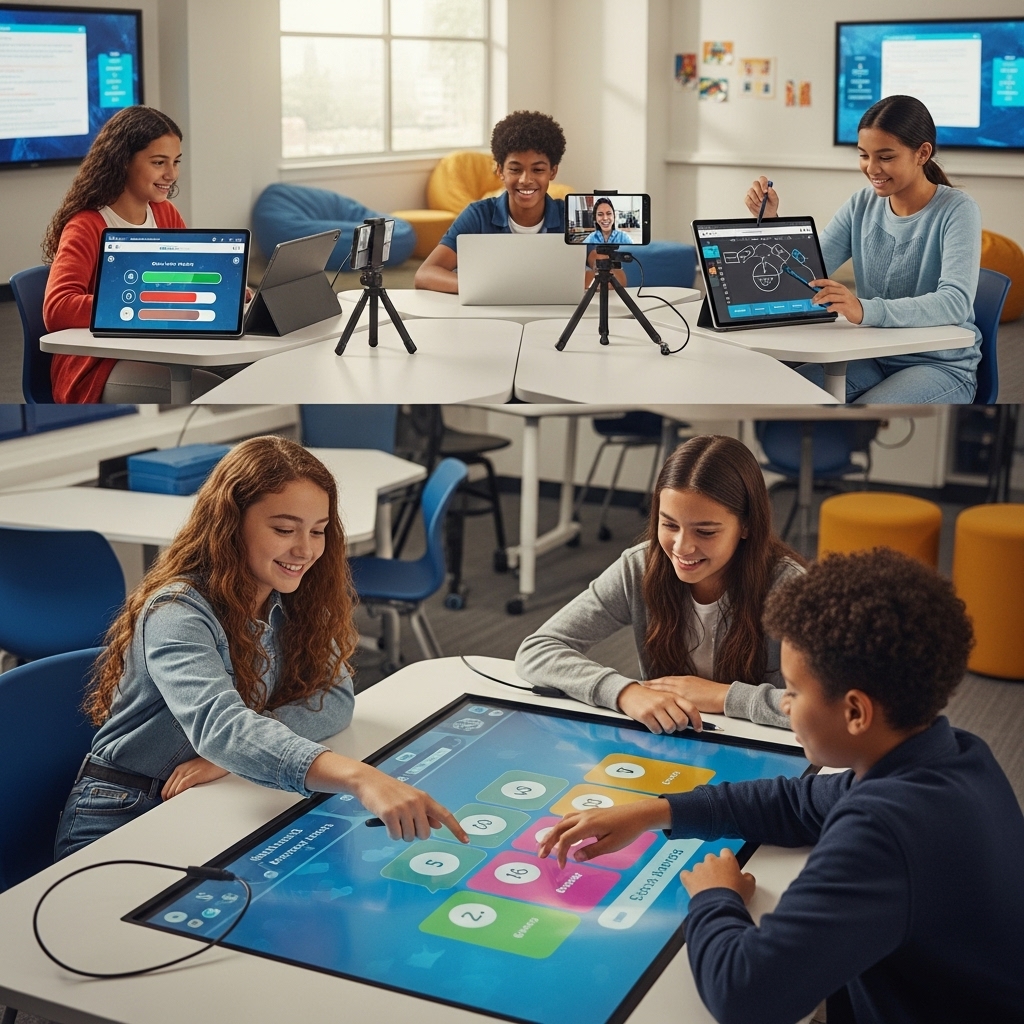
Elevate Learning: Innovative Digital Assessment Tools for the Modern Classroom
The modern classroom has undergone a significant transformation in recent years, with technology playing an increasingly important role in the learning process. One area that has seen significant innovation is digital assessment tools. These tools have revolutionized the way teachers assess student learning, providing a more efficient, effective, and engaging experience for both students and educators. In this article, we will explore the world of digital assessment tools and how they can elevate learning in the modern classroom.
Introduction to Digital Assessment Tools
Digital assessment tools are software applications or online platforms that enable teachers to create, administer, and grade assessments digitally. These tools can range from simple online quizzes and tests to more complex simulations and game-based assessments. They offer a range of benefits, including increased efficiency, improved accuracy, and enhanced student engagement. With digital assessment tools, teachers can easily track student progress, identify areas of weakness, and provide personalized feedback.
For example, a teacher can use a digital assessment tool to create an online quiz that includes multimedia elements such as videos, images, and audio files. This can make the assessment more engaging and interactive, and can help to accommodate different learning styles. The tool can also automatically grade the quiz, providing instant feedback to students and saving the teacher time and effort.
Types of Digital Assessment Tools
There are many different types of digital assessment tools available, each with its own unique features and benefits. Some popular examples include online quiz and test platforms, such as Kahoot and Quizlet, which allow teachers to create and administer assessments using a range of question types and formats. Other tools, such as Adobe Captivate and Articulate Storyline, enable teachers to create interactive simulations and e-learning modules.
Another type of digital assessment tool is the learning management system (LMS), which provides a comprehensive platform for managing and assessing student learning. LMS platforms, such as Moodle and Blackboard, allow teachers to create and assign assessments, track student progress, and provide feedback and grades. They also offer a range of analytics and reporting tools, enabling teachers to gain insights into student learning and identify areas for improvement.
Benefits of Digital Assessment Tools
Digital assessment tools offer a range of benefits for both teachers and students. For teachers, they can save time and effort, reduce the administrative burden of assessment, and provide more accurate and reliable results. They can also enhance student engagement and motivation, as digital assessments can be more interactive and fun than traditional paper-based assessments.
For students, digital assessment tools can provide a more personalized and flexible learning experience. They can access assessments from anywhere, at any time, and can work at their own pace. Digital assessments can also provide instant feedback, enabling students to track their progress and identify areas for improvement. Additionally, digital assessment tools can help to reduce anxiety and stress, as students can take assessments in a more comfortable and familiar environment.
Examples of Digital Assessment Tools in Action
Digital assessment tools are being used in a wide range of educational settings, from elementary schools to universities. For example, a high school teacher might use a digital assessment tool to create an online test that includes multimedia elements, such as videos and images. The tool can automatically grade the test, providing instant feedback to students and saving the teacher time and effort.
In another example, a university professor might use a digital assessment tool to create an interactive simulation that assesses students' problem-solving skills. The simulation can be designed to mimic real-world scenarios, providing students with a more authentic and engaging learning experience. The tool can also provide detailed analytics and feedback, enabling the professor to track student progress and identify areas for improvement.
Implementing Digital Assessment Tools in the Classroom
Implementing digital assessment tools in the classroom requires careful planning and preparation. Teachers need to consider a range of factors, including the technical requirements of the tool, the level of student access to devices, and the need for training and support. They also need to ensure that the tool is aligned with the curriculum and learning objectives, and that it provides a valid and reliable measure of student learning.
One way to implement digital assessment tools is to start small, by using a simple online quiz or test platform. Teachers can then gradually introduce more complex tools, such as simulations and game-based assessments, as they become more comfortable with the technology. It's also important to provide students with clear instructions and guidance, and to ensure that they have the necessary skills and knowledge to use the tool effectively.
Conclusion
In conclusion, digital assessment tools have the potential to elevate learning in the modern classroom, providing a more efficient, effective, and engaging experience for both students and educators. By leveraging these tools, teachers can create personalized and interactive assessments that accommodate different learning styles, provide instant feedback, and track student progress. As technology continues to evolve, we can expect to see even more innovative digital assessment tools emerge, further transforming the way we assess and support student learning.
Ultimately, the key to successful implementation is to approach digital assessment tools with a critical and nuanced perspective, recognizing both their potential benefits and limitations. By doing so, we can harness the power of technology to create a more effective, efficient, and engaging assessment process, and to improve student outcomes in the modern classroom.