
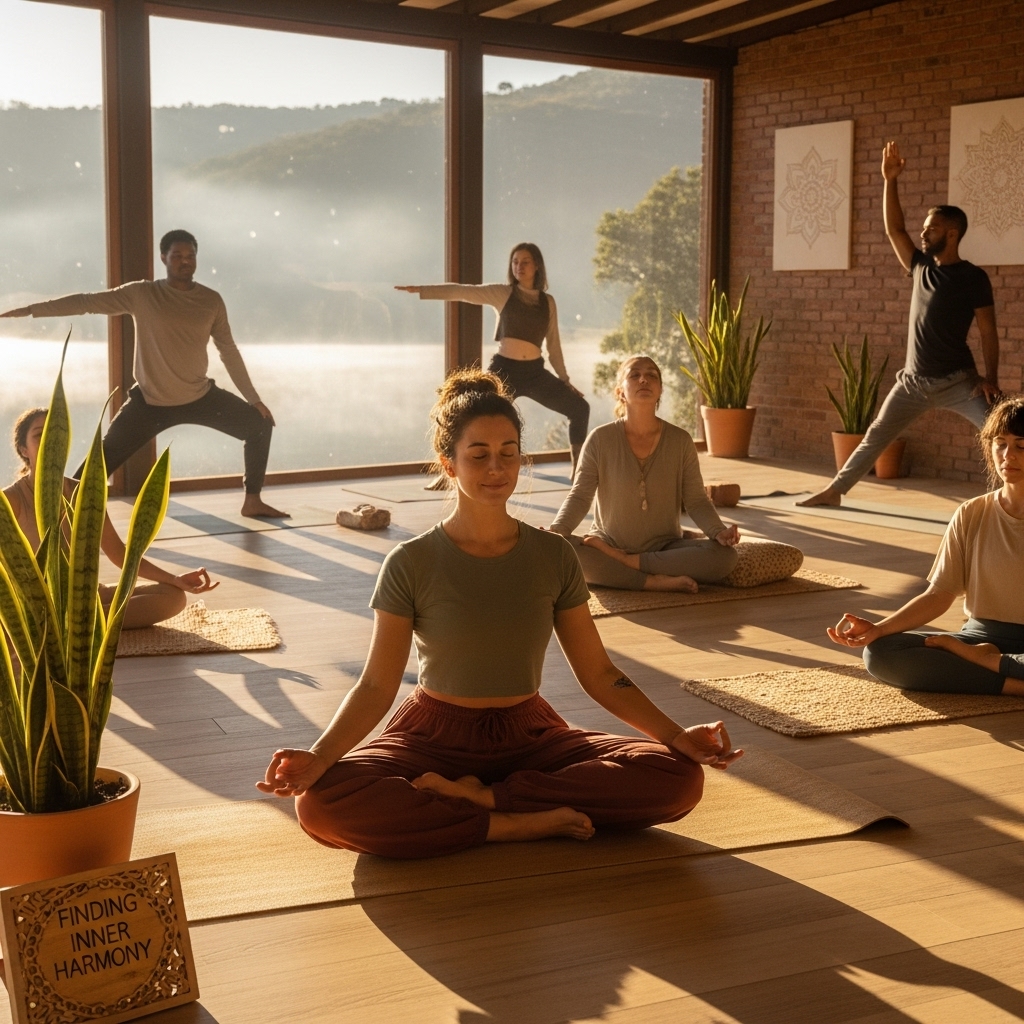
Introduction to Finding Inner Harmony
Finding inner harmony is a journey that many embark upon, seeking a deeper connection with themselves and the world around them. One of the most ancient and revered practices for achieving this state of balance and tranquility is yoga. Originating in India over 5,000 years ago, yoga has evolved into a global phenomenon, with millions of practitioners worldwide. However, beyond its physical postures (asanas) and breathing techniques (pranayama), yoga encompasses a profound philosophy that guides its practitioners toward a path of self-discovery, awareness, and inner peace. This article delves into the depths of yoga philosophy and practice, exploring how it can lead to a state of inner harmony.
The Origins and Evolution of Yoga
To truly understand the concept of inner harmony through yoga, it's essential to grasp its origins and evolution. The word "yoga" is derived from the Sanskrit root "yuj," meaning "to unite" or "to join." This refers to the union of the individual self (jiva) with the universal self (Brahman). The earliest written records of yoga can be found in the Rig Veda, a Hindu scripture dating back to 1500 BCE. Over time, yoga has branched out into various forms, including Hatha Yoga, Kundalini Yoga, Ashtanga Yoga, and Vinyasa Yoga, among others. Each style has its unique focus and approach, but all share the common goal of achieving a balanced and harmonious state of being.
Yoga Philosophy: The Eight Limbs of Yoga
The foundation of yoga philosophy is outlined in the Yoga Sutras of Patanjali, which presents the Eight Limbs of Yoga as a guide to achieving inner harmony. These limbs are: 1) Yamas (ethical standards), 2) Niyamas (personal observances), 3) Asanas (postures), 4) Pranayama (breath control), 5) Pratyahara (sense withdrawal), 6) Dharana (concentration), 7) Dhyana (meditation), and 8) Samadhi (absorption or enlightenment). By following these principles, practitioners can cultivate a deeper sense of awareness, discipline, and self-awareness, leading to a more harmonious and balanced life.
The Role of Asanas and Pranayama in Achieving Inner Harmony
Asanas and pranayama are integral components of yoga practice, designed to prepare the body and mind for meditation and the attainment of inner harmony. Asanas help to balance the body's energy, promoting flexibility, strength, and relaxation. Pranayama, or breath control, influences the nervous system, calming the mind and balancing the energies within the body. For example, the practice of alternate nostril breathing can help to synchronize the brain's hemispheres, leading to a state of greater equilibrium and calmness. Regular practice of asanas and pranayama can significantly reduce stress, improve mood, and enhance overall well-being, paving the way for inner harmony.
Meditation and Mindfulness: The Path to Inner Harmony
Meditation and mindfulness are critical aspects of yoga practice, aimed at quieting the mind, focusing attention, and cultivating awareness. Through regular meditation, practitioners can experience a profound sense of calm, clarity, and inner peace. Mindfulness, the practice of being fully present in the moment, helps to reduce worries about the past or future, allowing individuals to embrace their current state with acceptance and equanimity. For instance, mindfulness meditation can involve focusing on the breath, a mantra, or bodily sensations, training the mind to stay present and aware. This mindful approach to life can lead to greater self-awareness, emotional regulation, and resilience, all of which are essential for achieving and maintaining inner harmony.
The Impact of Yoga on Emotional and Mental Well-being
Yoga has been widely recognized for its positive impact on emotional and mental well-being. The practice of yoga has been shown to reduce symptoms of anxiety and depression, improve mood, and enhance cognitive function. The combination of physical postures, breathing techniques, and meditation can help to regulate the body's stress response, promoting relaxation and reducing cortisol levels. Furthermore, yoga encourages self-reflection and introspection, helping practitioners to develop a greater understanding of themselves and their emotions. This increased self-awareness enables individuals to better manage their emotions, respond to challenges more effectively, and cultivate a more positive and harmonious outlook on life.
Integrating Yoga into Daily Life for Inner Harmony
To fully embrace the benefits of yoga and achieve a state of inner harmony, it's essential to integrate its principles and practices into daily life. This can involve starting each day with a yoga routine, incorporating mindfulness into daily activities, and applying the ethical standards of the yamas and niyamas to personal and professional interactions. For example, practicing non-violence (ahimsa) can lead to more compassionate and respectful relationships, while honesty (satya) can foster deeper trust and integrity. By weaving yoga into the fabric of daily life, individuals can experience a profound shift toward greater balance, harmony, and fulfillment.
Conclusion: The Journey to Inner Harmony Through Yoga
In conclusion, the journey to finding inner harmony through yoga is a profound and transformative path. By exploring the depths of yoga philosophy and practice, individuals can cultivate a deeper connection with themselves and the world around them. Through the integration of asanas, pranayama, meditation, and mindfulness, along with the application of yoga's ethical and personal principles, practitioners can experience a significant reduction in stress, improvement in emotional and mental well-being, and a greater sense of balance and harmony in their lives. As a timeless and universal practice, yoga offers a powerful tool for achieving inner harmony, inviting all who embark on this journey to discover a more peaceful, aware, and fulfilling existence.