
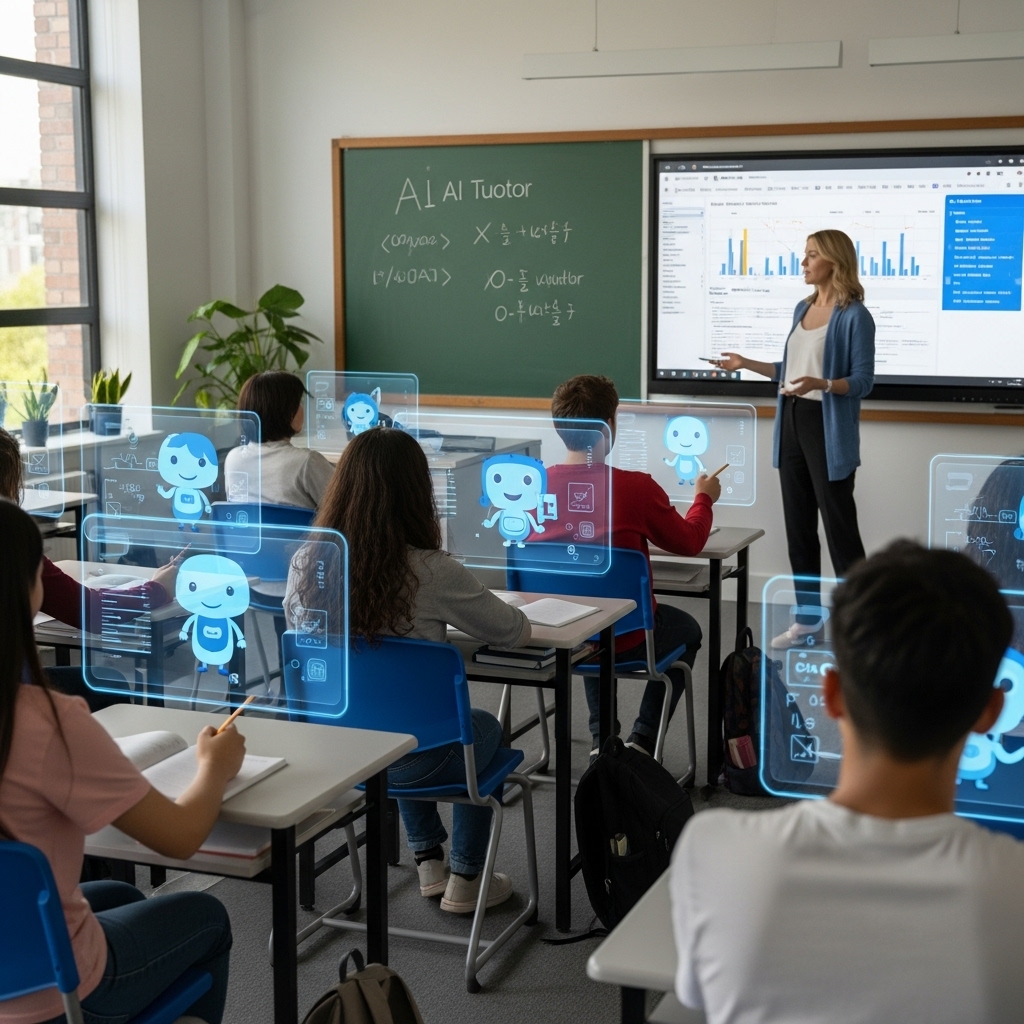
The integration of artificial intelligence (AI) in education has the potential to revolutionize the learning experience for both students and educators. AI can enhance the learning process by providing personalized learning experiences, automating administrative tasks, and offering real-time feedback. As AI technology continues to evolve, it is essential to explore the various ways in which it can be leveraged to improve the quality of education. In this context, we will delve into the ways AI can enhance the learning experience, making it more effective, efficient, and enjoyable for all stakeholders involved.
Personalized Learning Experiences
One of the most significant advantages of AI in education is its ability to provide personalized learning experiences for students. AI-powered adaptive learning systems can analyze a student's learning style, pace, and abilities to create customized learning plans. This approach ensures that each student receives tailored instruction, which can lead to improved academic outcomes and increased student engagement. For instance, AI-driven tools can help identify knowledge gaps and recommend additional resources or practice exercises to reinforce learning. By providing personalized learning experiences, AI can help bridge the gap between teachers and students, making the learning process more effective and enjoyable.
Intelligent Tutoring Systems
AI-powered intelligent tutoring systems (ITS) can simulate human-like interactions, offering one-on-one support to students. These systems can provide real-time feedback, guidance, and encouragement, helping students to stay motivated and focused. ITS can also help teachers by reducing their workload, allowing them to focus on more critical aspects of teaching. Additionally, AI-driven ITS can analyze student performance data, identifying areas where students may need extra support, and provide targeted interventions to address these needs. By leveraging AI-powered ITS, educators can create a more supportive and inclusive learning environment that caters to the diverse needs of their students.
Automating Administrative Tasks
AI can also help educators by automating administrative tasks, such as grading, data entry, and record-keeping. AI-powered tools can quickly and accurately grade assignments, freeing up teachers to focus on more critical aspects of teaching, such as lesson planning and student support. Moreover, AI-driven systems can help with data analysis, providing insights into student performance and progress, which can inform instruction and improve student outcomes. By automating administrative tasks, AI can help reduce teacher workload, minimize errors, and increase productivity, ultimately leading to a more efficient and effective learning environment.
Key Benefits of AI in Education
- Improved student outcomes: AI can help identify knowledge gaps and provide targeted interventions to address these needs, leading to improved academic performance.
- Enhanced teacher support: AI can help teachers by automating administrative tasks, providing real-time feedback, and offering data-driven insights to inform instruction.
- Increased accessibility: AI-powered tools can help make education more accessible for students with disabilities, language barriers, or other challenges.
- Personalized learning experiences: AI can provide customized learning plans, tailored to each student's learning style, pace, and abilities.
- Real-time feedback: AI-powered systems can offer instant feedback, guidance, and encouragement, helping students stay motivated and focused.
Future Directions and Challenges
While AI has the potential to revolutionize education, there are also challenges and concerns that need to be addressed. One of the primary concerns is the potential for AI to exacerbate existing inequalities, particularly if access to AI-powered tools and resources is limited. Additionally, there is a need for more research on the effective integration of AI in education, including its impact on student outcomes, teacher workload, and the overall learning environment. As AI technology continues to evolve, it is essential to prioritize transparency, accountability, and equity, ensuring that AI is used to enhance the learning experience for all students, regardless of their background or circumstances.
In conclusion, AI has the potential to transform the learning experience for students and educators alike. By providing personalized learning experiences, automating administrative tasks, and offering real-time feedback, AI can help create a more effective, efficient, and enjoyable learning environment. While there are challenges and concerns that need to be addressed, the benefits of AI in education are undeniable. As we move forward, it is essential to prioritize the responsible development and integration of AI in education, ensuring that it is used to enhance the learning experience for all stakeholders involved. By doing so, we can unlock the full potential of AI in education and create a brighter, more equitable future for generations to come.