
Introduction to Sustainable Living
As the world grapples with the challenges of climate change, environmental degradation, and resource depletion, it has become increasingly important for individuals to adopt natural and sustainable practices in their daily lives. Indians, in particular, have a unique opportunity to make a significant impact due to the country's large population and growing economy. By incorporating eco-friendly habits and sustainable practices into daily life, Indians can contribute to a healthier environment, conserve natural resources, and improve their overall well-being. In this article, we will explore ways in which Indians can effectively incorporate more natural and sustainable practices into their daily lives.
Embracing Traditional Practices
India has a rich cultural heritage of traditional practices that promote sustainability and environmental stewardship. For example, the concept of "reuse, reduce, recycle" has been an integral part of Indian culture for centuries, with people using cloth bags, metal containers, and other reusable items for daily needs. Similarly, the practice of composting and using natural fertilizers has been used in Indian agriculture for generations. By embracing these traditional practices, Indians can reduce their reliance on single-use plastics, decrease waste, and promote sustainable agriculture. Additionally, incorporating Ayurvedic principles and yoga into daily life can help individuals develop a greater connection with nature and adopt a more holistic approach to health and wellness.
Sustainable Food Choices
Food is a critical aspect of Indian culture, and making sustainable food choices can have a significant impact on the environment. Indians can start by choosing locally sourced, seasonal, and organic produce, which reduces transportation emissions and supports local farmers. They can also adopt plant-based diets, which tend to have a lower carbon footprint than meat-based diets. Furthermore, reducing food waste by planning meals, using up leftovers, and composting food scraps can help minimize the environmental impact of food production and consumption. For instance, the "zero-waste" kitchen concept, which originated in India, encourages individuals to use every part of the vegetable, including peels and scraps, to minimize waste and create nutritious meals.
Conserving Water and Energy
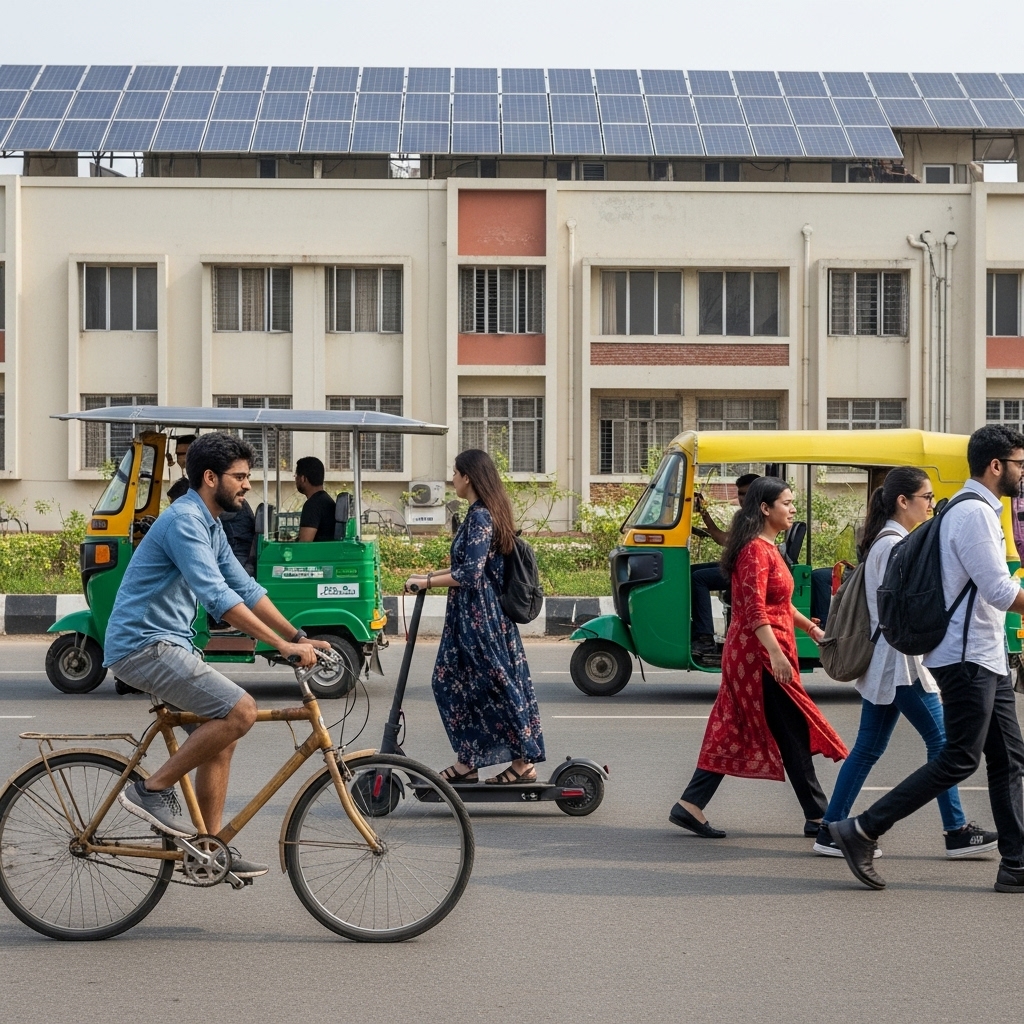
Water and energy conservation are critical aspects of sustainable living, particularly in a country like India where resources are scarce. Indians can start by adopting simple habits such as turning off lights, fans, and taps when not in use, using energy-efficient appliances, and harvesting rainwater for non-potable purposes. They can also use public transport, walk, or cycle for short distances, which not only reduces energy consumption but also promotes physical activity and reduces air pollution. Additionally, using solar-powered devices, such as solar water heaters and solar lanterns, can help reduce reliance on non-renewable energy sources and decrease carbon emissions.
Reducing Waste and Pollution
India is facing a significant waste management crisis, with millions of tons of waste generated every day. Indians can contribute to reducing waste and pollution by adopting a few simple habits, such as carrying reusable bags, avoiding single-use plastics, and recycling paper, plastic, and glass. They can also participate in community clean-up initiatives, support organizations working on waste management, and advocate for policy changes that promote sustainable waste management practices. For example, the "Swachh Bharat Abhiyan" campaign, launched by the Indian government, aims to promote cleanliness and hygiene across the country and has inspired millions of Indians to take action against waste and pollution.
Creating Sustainable Living Spaces
Creating sustainable living spaces is essential for promoting eco-friendly habits and reducing environmental impact. Indians can start by using eco-friendly building materials, such as bamboo, mud, and recycled materials, for construction and renovation projects. They can also incorporate green spaces, such as gardens, terraces, and balconies, into their homes, which help purify the air, reduce urban heat island effects, and promote biodiversity. Additionally, using natural ventilation, insulation, and shading techniques can reduce the need for air conditioning and heating, which are significant contributors to energy consumption. For instance, the "green building" concept, which emphasizes sustainable architecture and design, is gaining popularity in India, with many builders and homeowners adopting eco-friendly construction practices.
Conclusion
Incorporating natural and sustainable practices into daily life is a critical step towards creating a healthier, more environmentally conscious India. By embracing traditional practices, making sustainable food choices, conserving water and energy, reducing waste and pollution, and creating sustainable living spaces, Indians can contribute to a significant reduction in the country's environmental footprint. It is essential for individuals, communities, and governments to work together to promote sustainable living practices, support eco-friendly policies, and inspire a cultural shift towards environmental stewardship. By taking small steps towards sustainability, Indians can make a significant impact and create a better future for themselves and future generations.