
Optimizing database queries is crucial for building high-performance FastAPI applications. FastAPI is a modern, fast (high-performance), web framework for building APIs with Python 3.7+ based on standard Python type hints. When it comes to database interactions, even the fastest framework can be bottlenecked by slow database queries. Therefore, understanding how to optimize these queries is essential for ensuring your application scales well and provides a good user experience. In this answer, we will explore strategies and best practices for optimizing database queries in a FastAPI application, helping you to improve performance and scalability.
Understanding Your Database Queries
Before you can optimize your database queries, you need to understand what they are doing. This involves analyzing the queries that are currently running, identifying bottlenecks, and determining which queries are executed most frequently. Tools like SQL query analyzers or database logging can help in this process. For instance, if you're using PostgreSQL, you can use the `pg_stat_statements` module to track query execution statistics. Understanding the execution plan of your queries can also provide insights into potential optimization opportunities, such as the use of indexes or the efficiency of join operations.
Optimization Strategies
Several strategies can be employed to optimize database queries in a FastAPI application. These include:
- Using Indexes: Indexes can significantly speed up data retrieval operations by allowing the database to quickly locate and retrieve the required data. Ensure that columns used in WHERE, JOIN, and ORDER BY clauses are indexed.
- Limiting Retrieved Data: Only retrieve the data that is necessary for your application. Using SELECT statements with specific field names instead of SELECT * can reduce the amount of data being transferred and processed.
- Efficient Use of Database Connections: Database connections are a limited resource. Using connection pooling (e.g., with libraries like SQLAlchemy or asyncpg for asynchronous databases) can help manage these connections efficiently, reducing the overhead of creating new connections for each query.
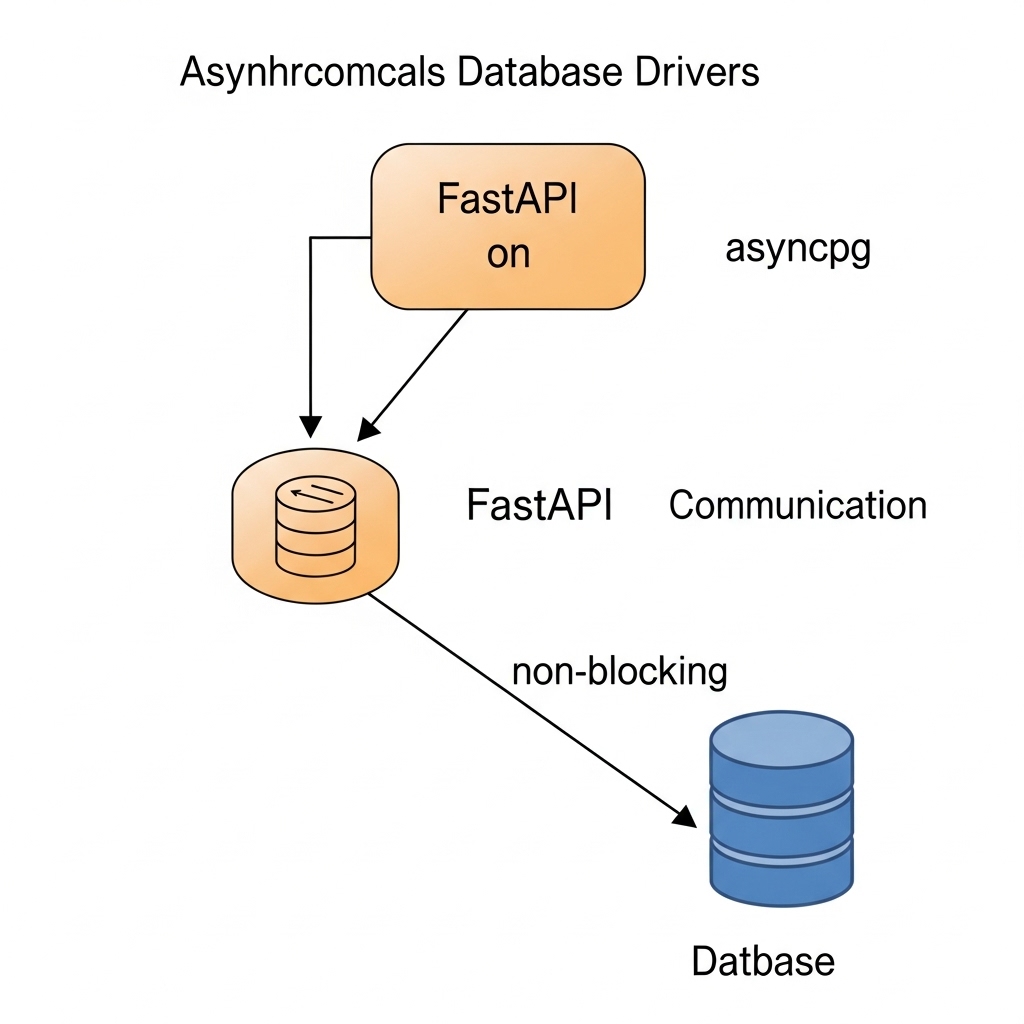
- Asynchronous Database Drivers: FastAPI is built on standard Python type hints and supports asynchronous programming. Using asynchronous database drivers can help in handling multiple database queries concurrently without blocking, improving the overall performance of your application.
- Caching: Implementing caching mechanisms (like Redis or in-memory caching) for frequently accessed data can reduce the number of database queries, leading to significant performance improvements.
Best Practices for Query Optimization
Besides the technical strategies, following best practices in coding and database design can also contribute to optimized database queries. This includes avoiding N+1 query problems (where an application fetches data in a loop, leading to many small queries), using eager loading for related objects when necessary, and designing database schemas that support efficient querying. Regularly reviewing and refactoring database queries based on changing application requirements and performance metrics is also crucial for maintaining optimal performance.
Monitoring and Testing
Monitoring your application's performance and testing the impact of optimizations are critical steps in the optimization process. Tools like Prometheus and Grafana can be used for monitoring, while pytest and Pytest-benchmark can help in benchmarking different versions of your queries to measure performance improvements. Continuous Integration/Continuous Deployment (CI/CD) pipelines can also be set up to automatically run performance tests, ensuring that optimizations do not introduce regressions.
In conclusion, optimizing database queries in a FastAPI application involves a combination of understanding your queries, applying optimization strategies, following best practices, and continuously monitoring and testing your application. By implementing these measures, you can significantly improve the performance and scalability of your FastAPI application, ensuring it can handle a growing user base and provide a responsive user experience. Remember, optimization is an ongoing process that requires regular review and adjustment as your application evolves.