
Introduction to Onco-Psychology
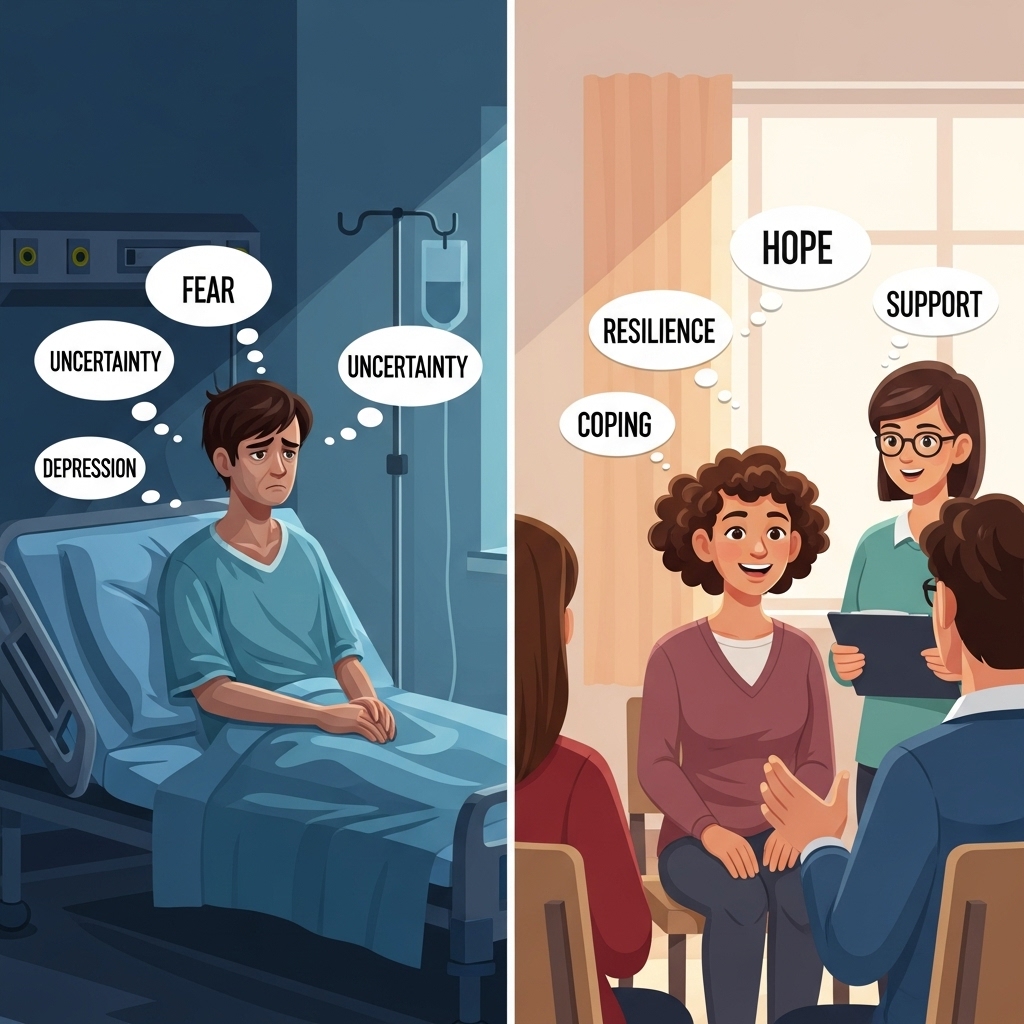
Onco-psychology, a field that combines psychology and oncology, has become increasingly important in recent years. It focuses on the psychological, social, and behavioral factors that influence cancer patients' experiences, from diagnosis to treatment and beyond. The impact of cancer on mental health is profound, affecting not only patients but also their families and caregivers. This article explores how psychology impacts cancer patients' mental health, discussing various aspects of onco-psychology and its applications in improving patient outcomes.
Diagnosis and its Psychological Impact
The moment a patient receives a cancer diagnosis, their life is forever changed. The initial shock, fear, and anxiety can be overwhelming, leading to significant psychological distress. Research has shown that the diagnosis phase is one of the most challenging periods for cancer patients, with many experiencing symptoms of depression and anxiety. For example, a study found that nearly half of all cancer patients experience significant distress following their diagnosis, highlighting the need for immediate psychological support. Onco-psychologists play a crucial role in this phase by providing counseling and coping strategies to help patients navigate their emotions and make informed decisions about their treatment.
Cancer Treatment and Mental Health
Cancer treatment, including surgery, chemotherapy, and radiation therapy, can have a profound impact on patients' mental health. The side effects of treatment, such as pain, fatigue, and hair loss, can significantly affect a patient's quality of life and self-esteem. Furthermore, the uncertainty and unpredictability of treatment outcomes can exacerbate anxiety and depression. Onco-psychologists work closely with healthcare teams to develop strategies that mitigate these effects, such as cognitive-behavioral therapy (CBT) and mindfulness-based interventions, which have been shown to reduce symptoms of depression and anxiety in cancer patients.
Psychological Interventions in Cancer Care
Various psychological interventions have been developed to support cancer patients, including individual and group therapy, support groups, and online interventions. These interventions aim to enhance coping skills, improve mood, and reduce distress. For instance, CBT is commonly used to help patients manage symptoms of anxiety and depression by changing negative thought patterns and behaviors. Support groups provide a safe space for patients to share their experiences and connect with others who are going through similar challenges. Online interventions, such as teletherapy and mobile apps, have also become increasingly popular, offering convenient and accessible support to patients who may have difficulty attending in-person sessions.
The Role of Family and Caregivers
Family members and caregivers play a vital role in the care and support of cancer patients. However, they often experience significant psychological distress themselves, including anxiety, depression, and burnout. Onco-psychologists recognize the importance of supporting these individuals, offering them guidance on how to cope with their own emotions while caring for their loved ones. This can include providing them with resources, such as support groups and counseling services, and educating them on how to maintain their own physical and emotional well-being. By supporting family members and caregivers, onco-psychologists can indirectly improve the mental health outcomes of cancer patients.
Cultural and Individual Differences
Cultural and individual differences can significantly impact how cancer patients experience and cope with their illness. Onco-psychologists must consider these differences when developing support strategies, ensuring that they are culturally sensitive and tailored to the patient's unique needs and preferences. For example, some cultures may place a strong emphasis on family involvement in care, while others may value individual privacy and autonomy. Similarly, patients' individual differences, such as their coping styles and personality traits, can influence their response to psychological interventions. By acknowledging and respecting these differences, onco-psychologists can provide more effective support and improve patient outcomes.
Future Directions in Onco-Psychology
As the field of onco-psychology continues to evolve, there is a growing recognition of the need for more research and innovation in this area. Emerging trends include the use of technology, such as artificial intelligence and virtual reality, to enhance psychological support for cancer patients. Additionally, there is a increasing focus on prevention and early intervention, with onco-psychologists working to identify individuals at high risk of psychological distress and providing them with targeted support. By advancing our understanding of the psychological aspects of cancer care, onco-psychologists can play a critical role in improving the mental health and well-being of cancer patients and their families.
Conclusion
In conclusion, psychology plays a vital role in the care and support of cancer patients, from diagnosis to treatment and beyond. Onco-psychologists work to address the complex psychological, social, and behavioral factors that influence patients' experiences, providing them with the support and resources they need to cope with their illness. By acknowledging the impact of cancer on mental health and providing targeted interventions, onco-psychologists can improve patient outcomes, enhance quality of life, and support the well-being of patients and their families. As the field of onco-psychology continues to grow and evolve, it is essential that we prioritize research, innovation, and collaboration to ensure that all cancer patients receive the psychological support they deserve.