
Introduction to Student Budgeting
Managing finances effectively is a crucial skill for students, especially those living on a limited budget. With the rising cost of tuition, living expenses, and other necessities, it can be challenging for students to make ends meet. However, with a few simple strategies and mindset adjustments, students can learn to manage their finances effectively and make the most of their limited budget. In this article, we will explore some practical tips and advice on how to manage finances on a limited student budget.
Understanding Your Expenses
The first step to managing your finances effectively is to understand where your money is going. Start by tracking your expenses, including everything from rent and utilities to entertainment and miscellaneous expenses. Make a list of all your monthly expenses and categorize them into needs (necessary expenses) and wants (discretionary expenses). This will help you identify areas where you can cut back and allocate your limited budget more efficiently. For example, if you find that you are spending a lot on dining out, you can try cooking at home more often or looking for affordable dining options.
Creating a Budget Plan
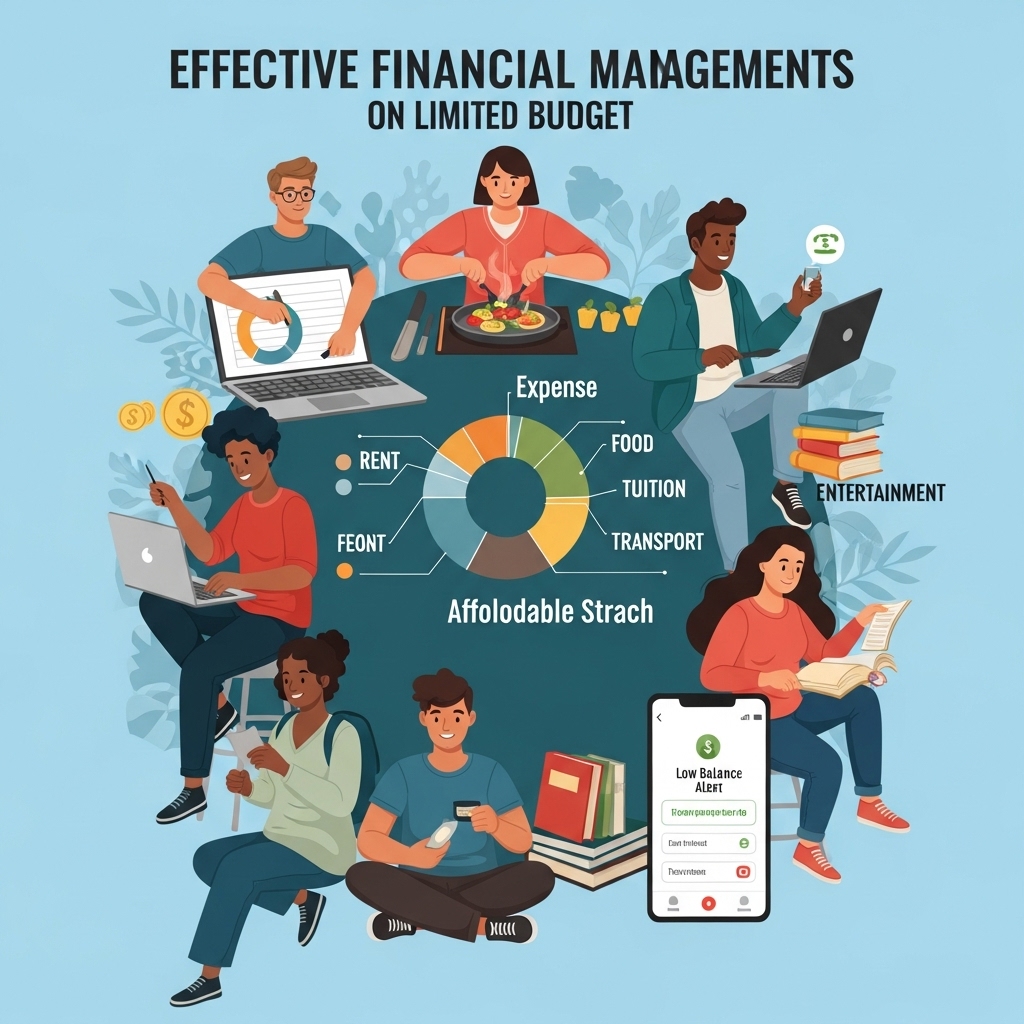
Once you have a clear understanding of your expenses, it's time to create a budget plan. A budget plan is a roadmap that outlines projected income and expenses over a specific period. As a student, your budget plan should take into account your limited income, fixed expenses, and financial goals. Start by calculating your total monthly income, including any scholarships, grants, or part-time job earnings. Then, allocate your income into different categories, such as rent, utilities, food, transportation, and entertainment. Be sure to prioritize your needs over your wants and make adjustments as needed. For instance, you may need to cut back on entertainment expenses during exam periods or when working on important projects.
Managing Debt and Credit
As a student, it's easy to accumulate debt, whether it's from credit cards, student loans, or personal loans. However, managing debt and credit effectively is crucial to maintaining a healthy financial profile. Start by avoiding unnecessary debt, such as credit card debt, and focus on building a positive credit history. Make timely payments on your debts, and consider consolidating your loans or credit cards to simplify your finances. Additionally, be cautious when using credit cards, and make sure to pay off your balances in full each month to avoid interest charges. For example, if you have a credit card with a 20% interest rate, try to pay off your balance in full each month to avoid accruing interest charges.
Building an Emergency Fund
An emergency fund is a safety net that can help you cover unexpected expenses, such as car repairs, medical bills, or lost income. As a student, it's essential to build an emergency fund to avoid going into debt when unexpected expenses arise. Start by setting aside a small amount each month, such as $100 or $200, and aim to save 3-6 months' worth of living expenses. Consider opening a separate savings account specifically for your emergency fund, and make sure to keep it easily accessible. For instance, you can set up automatic transfers from your checking account to your savings account to make saving easier and less prone to being neglected.
Taking Advantage of Student Discounts and Benefits
As a student, you are eligible for various discounts and benefits that can help you save money. Take advantage of student discounts on software, hardware, and other products, and look for special promotions and offers on campus. Many universities and colleges offer free or discounted services, such as gym memberships, counseling, and career counseling. Additionally, consider using cashback apps, such as Ibotta or Fetch Rewards, to earn money back on your purchases. For example, you can use a student discount to purchase a laptop or tablet at a lower price, or take advantage of free software offers to help with your studies.
Avoiding Financial Pitfalls
Finally, it's essential to avoid common financial pitfalls that can derail your financial progress. Avoid impulse purchases, and be cautious when using credit cards or taking out loans. Don't fall for get-rich-quick schemes or investment opportunities that seem too good to be true. Additionally, be mindful of your financial aid and scholarship options, and make sure to understand the terms and conditions of any financial assistance you receive. For instance, be aware of the interest rates and repayment terms of your student loans, and make sure to prioritize your financial aid and scholarship options carefully.
Conclusion
Managing finances effectively on a limited student budget requires discipline, patience, and creativity. By understanding your expenses, creating a budget plan, managing debt and credit, building an emergency fund, taking advantage of student discounts and benefits, and avoiding financial pitfalls, you can make the most of your limited budget and achieve financial stability. Remember to stay focused, prioritize your financial goals, and seek help when needed. With time and practice, you will develop the skills and confidence to manage your finances effectively and achieve long-term financial success.