
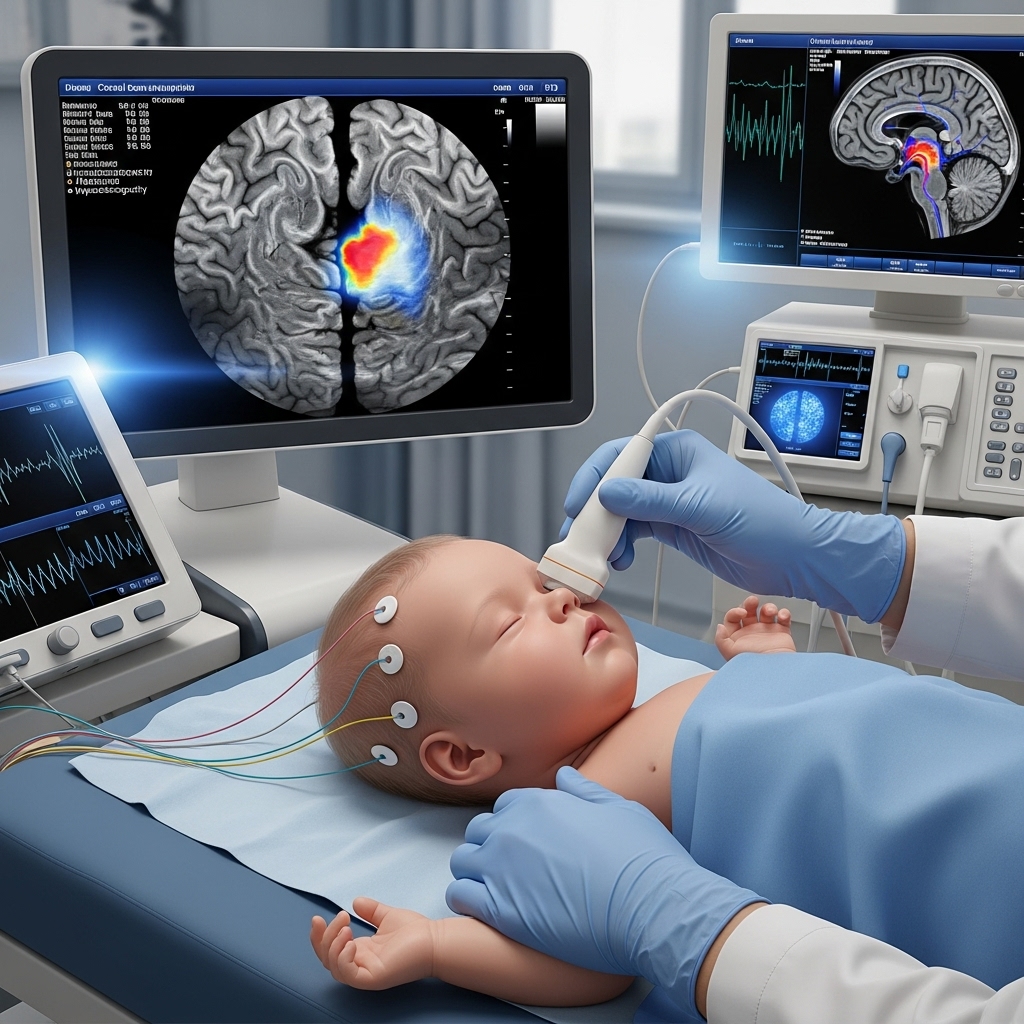
Introduction to Neonatal Stroke Diagnosis
Neonatal stroke is a condition that affects newborn babies, occurring when the blood supply to the brain is interrupted, either due to a blockage or a rupture of the blood vessels. This condition can have severe and long-lasting consequences for the infant's health and development. Neonatal stroke diagnosis is crucial for providing timely and effective treatment, which can significantly improve the outcome for the affected baby. In this article, we will delve into the world of neonatal stroke diagnosis, exploring its causes, symptoms, diagnostic methods, treatment options, and the importance of early detection.
Causes and Risk Factors of Neonatal Stroke
Neonatal stroke can be caused by a variety of factors, including maternal, fetal, and perinatal factors. Maternal factors may include conditions such as preeclampsia, chorioamnionitis, and autoimmune disorders. Fetal factors can include congenital heart defects, genetic disorders, and fetal growth restriction. Perinatal factors, such as birth asphyxia, trauma during delivery, and infections, can also contribute to the development of neonatal stroke. Understanding these risk factors is essential for healthcare providers to identify babies at high risk and monitor them closely for signs of stroke.
For example, a study found that babies born to mothers with preeclampsia were at a higher risk of developing neonatal stroke. This highlights the importance of closely monitoring the health of both the mother and the baby during pregnancy and after birth.
Symptoms of Neonatal Stroke
The symptoms of neonatal stroke can be subtle and may not always be immediately apparent. They can include seizures, lethargy, poor feeding, and changes in muscle tone. In some cases, the baby may appear perfectly healthy at first, only to develop symptoms hours or even days later. It is crucial for healthcare providers to be aware of these symptoms and to investigate further if they suspect that a baby may have had a stroke.
A classic example of a symptom of neonatal stroke is a seizure. Seizures in newborns can be very different from those in older children and adults, and may manifest as subtle movements, such as twitching or staring. Recognizing these signs is critical for early diagnosis and treatment.
Diagnostic Methods for Neonatal Stroke
Diagnosing neonatal stroke can be challenging, but several diagnostic methods are available to help healthcare providers make an accurate diagnosis. These include magnetic resonance imaging (MRI), computed tomography (CT) scans, and ultrasound. MRI is the gold standard for diagnosing neonatal stroke, as it provides detailed images of the brain and can help identify areas of damage. CT scans and ultrasound can also be useful, especially in emergency situations where an MRI is not available.
For instance, a study found that MRI was able to detect neonatal stroke in 90% of cases, while CT scans detected it in 70% of cases. This highlights the importance of using the most effective diagnostic tools available to ensure accurate diagnosis and treatment.
Treatment Options for Neonatal Stroke
Treatment for neonatal stroke depends on the severity and location of the stroke, as well as the overall health of the baby. In some cases, treatment may involve supportive care, such as maintaining blood pressure and preventing seizures. In other cases, more invasive treatments, such as thrombolytic therapy or surgery, may be necessary. The goal of treatment is to minimize damage to the brain and prevent long-term complications.
For example, a baby who has had a severe stroke may require intensive care, including ventilation and cardiac monitoring. In contrast, a baby with a mild stroke may be able to receive treatment on a regular pediatric ward. The key is to provide individualized care that meets the unique needs of each baby.
Importance of Early Detection and Treatment
Early detection and treatment of neonatal stroke are critical for improving outcomes. The sooner treatment is started, the better the chances of minimizing damage to the brain and preventing long-term complications. Healthcare providers should be vigilant for signs of neonatal stroke and investigate further if they suspect that a baby may have had a stroke.
A study found that babies who received treatment for neonatal stroke within the first 24 hours after birth had better outcomes than those who received treatment later. This highlights the importance of prompt recognition and treatment of neonatal stroke.
Conclusion
In conclusion, neonatal stroke diagnosis is a complex and challenging process that requires careful attention to detail and a high index of suspicion. Healthcare providers must be aware of the risk factors, symptoms, and diagnostic methods for neonatal stroke, as well as the treatment options available. By working together, we can improve outcomes for babies affected by neonatal stroke and provide them with the best possible start in life. Early detection and treatment are critical, and ongoing research is needed to continue to improve our understanding of this condition and develop new and effective treatments.
As our understanding of neonatal stroke continues to evolve, it is essential that healthcare providers stay up-to-date with the latest developments and advancements in diagnosis and treatment. By doing so, we can provide the best possible care for babies affected by this condition and give them the opportunity to thrive and reach their full potential.