
Introduction to AI Ad Monetization
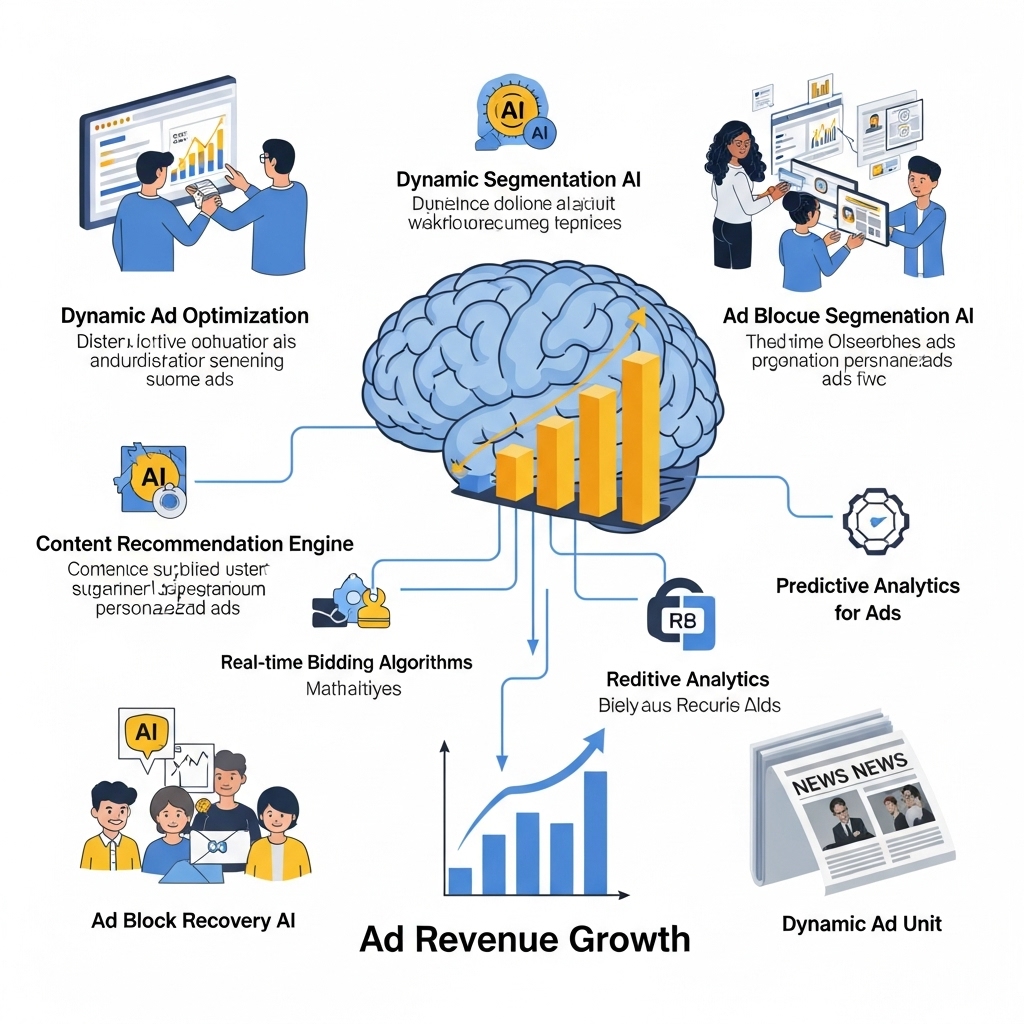
Digital publishing has become a highly competitive industry, with numerous websites and online platforms vying for the attention of audiences worldwide. To stay afloat and generate significant revenue, digital publishers need to maximize their ad revenue. This is where Artificial Intelligence (AI) comes into play, offering a range of tools designed to optimize ad placement, targeting, and overall ad performance. In this article, we will explore the AI tools that can help digital publishers maximize their ad revenue effectively, discussing their features, benefits, and examples of successful implementation.
Understanding AI in Ad Monetization
AI technology is revolutionizing the digital advertising landscape by providing publishers with the ability to analyze vast amounts of data, predict user behavior, and make informed decisions about ad placement and targeting. AI-powered ad monetization tools can process complex data sets, including user demographics, browsing history, and real-time market trends, to deliver highly targeted and relevant ads. This not only enhances the user experience but also increases the likelihood of ad engagement and conversion, ultimately leading to higher revenue for publishers.
AI Tools for Ad Optimization
Several AI tools are available to help digital publishers optimize their ad inventory and maximize revenue. One such tool is Google AdSense, which uses machine learning algorithms to match ads with the most relevant content and audiences. Another example is Ad Exchange, a real-time marketplace where publishers can sell their ad inventory to the highest bidder. Additionally, tools like PubMatic and OpenX provide AI-driven header bidding solutions, allowing publishers to offer their inventory to multiple ad exchanges and demand-side platforms (DSPs) simultaneously, increasing competition and revenue potential.
Personalization and User Experience
AI-powered personalization is crucial for delivering a seamless and engaging user experience, which in turn, can lead to increased ad revenue. By analyzing user behavior and preferences, AI tools can help publishers create personalized ad experiences, such as tailored ad formats, placements, and messaging. For instance, a sports website can use AI to deliver ads related to the user's favorite team or player, increasing the likelihood of ad engagement. Moreover, AI can help reduce ad clutter and improve ad viewability, further enhancing the overall user experience and ad effectiveness.
Real-Time Bidding and Programmatic Advertising
Real-time bidding (RTB) and programmatic advertising are key components of AI-driven ad monetization. RTB allows publishers to sell their ad inventory to the highest bidder in real-time, while programmatic advertising enables the automation of ad buying and selling processes. AI tools like AppNexus and Rubicon Project provide programmatic platforms for publishers to manage their ad inventory and connect with multiple demand-side platforms and ad exchanges. This not only increases revenue potential but also provides greater transparency and control over ad sales.
Measuring and Optimizing Ad Performance
To maximize ad revenue, digital publishers need to continually measure and optimize ad performance. AI tools like Moat and Integral Ad Science provide advanced analytics and measurement solutions, enabling publishers to track ad viewability, engagement, and conversion rates. Additionally, AI-powered A/B testing and experimentation tools like Optimizely allow publishers to test different ad creatives, placements, and targeting strategies, identifying the most effective approaches and optimizing their ad inventory accordingly.
Conclusion and Future Outlook
In conclusion, AI tools have revolutionized the digital publishing industry by providing publishers with the ability to maximize their ad revenue effectively. By leveraging AI-powered ad optimization, personalization, real-time bidding, and programmatic advertising, publishers can deliver highly targeted and engaging ad experiences, increasing user satisfaction and revenue potential. As the digital landscape continues to evolve, we can expect to see even more innovative AI solutions emerge, further transforming the ad monetization landscape. By embracing these technologies and staying ahead of the curve, digital publishers can ensure long-term success and profitability in an increasingly competitive market.