
Introduction to Electrodynamic Systems in Indian Renewable Energy
The Indian government has set ambitious targets to increase the share of renewable energy in the country's energy mix, with a goal of achieving 40% of installed power capacity from non-fossil fuels by 2030. Electrodynamic systems play a crucial role in the development and integration of renewable energy sources, such as solar and wind power, into the grid. These systems enable the efficient transmission, distribution, and utilization of electrical energy, and are essential for the reliable operation of renewable energy infrastructure. In this article, we will explore the applications of electrodynamic systems in Indian renewable energy infrastructure, highlighting their importance and potential for growth.
Electrodynamic Systems for Solar Power Generation
Solar power is one of the fastest-growing renewable energy sources in India, with the country aiming to achieve 100 GW of installed solar capacity by 2022. Electrodynamic systems are used in solar power plants to convert the DC power generated by photovoltaic panels into AC power, which can be fed into the grid. These systems include inverters, transformers, and switchgear, which work together to ensure efficient and reliable power transmission. For example, the Pavagada Solar Park in Karnataka, one of the largest solar parks in the world, uses advanced electrodynamic systems to transmit power to the grid. The park's electrodynamic systems are designed to optimize energy yield, reduce losses, and ensure grid stability.
Electrodynamic Systems for Wind Power Generation
Wind power is another significant contributor to India's renewable energy mix, with the country aiming to achieve 60 GW of installed wind capacity by 2022. Electrodynamic systems are used in wind farms to convert the variable frequency power generated by wind turbines into constant frequency power, which can be fed into the grid. These systems include doubly-fed induction generators, power converters, and transformers, which work together to ensure efficient and reliable power transmission. For example, the Jaisalmer Wind Park in Rajasthan, one of the largest wind farms in Asia, uses advanced electrodynamic systems to transmit power to the grid. The park's electrodynamic systems are designed to optimize energy yield, reduce losses, and ensure grid stability.
Electrodynamic Systems for Power Transmission and Distribution
Electrodynamic systems play a critical role in the transmission and distribution of power from renewable energy sources to the grid. These systems include high-voltage transmission lines, substations, and distribution transformers, which work together to ensure efficient and reliable power transmission. For example, the Power Grid Corporation of India Limited (PGCIL) is using advanced electrodynamic systems to upgrade the country's transmission infrastructure, including the use of high-voltage direct current (HVDC) transmission systems. These systems enable the efficient transmission of power over long distances, reducing losses and increasing the reliability of the grid.
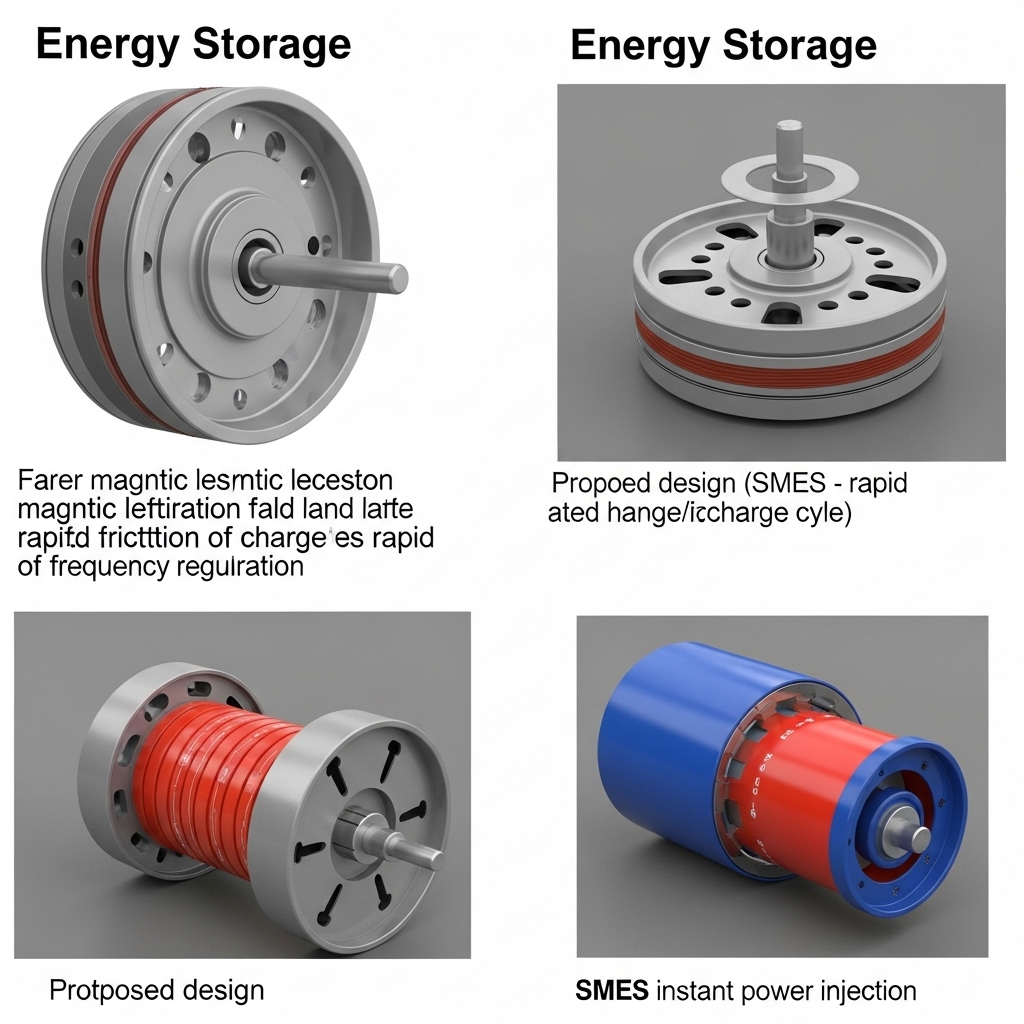
Electrodynamic Systems for Energy Storage
Energy storage is a critical component of renewable energy infrastructure, as it enables the storage of excess energy generated by solar and wind power plants during periods of low demand. Electrodynamic systems are used in energy storage systems, such as batteries and pumped hydro storage, to convert the stored energy into a usable form. For example, the Indian government has launched several initiatives to promote the use of energy storage systems, including the National Energy Storage Mission, which aims to promote the development of advanced energy storage technologies. Electrodynamic systems will play a critical role in the development of these technologies, enabling the efficient and reliable storage and utilization of renewable energy.
Electrodynamic Systems for Grid Stability and Management
Electrodynamic systems are also used to ensure grid stability and management, particularly in the context of renewable energy integration. These systems include advanced weather forecasting and predictive analytics, which enable grid operators to predict energy demand and adjust supply accordingly. For example, the Indian government has launched the National Smart Grid Mission, which aims to promote the development of smart grid technologies, including advanced electrodynamic systems. These systems will enable the efficient and reliable operation of the grid, reducing the risk of power outages and improving the overall quality of power supply.
Conclusion
In conclusion, electrodynamic systems play a critical role in the development and integration of renewable energy sources into the Indian energy mix. These systems enable the efficient transmission, distribution, and utilization of electrical energy, and are essential for the reliable operation of renewable energy infrastructure. As India continues to grow its renewable energy capacity, the demand for advanced electrodynamic systems will increase, driving innovation and investment in the sector. With the government's support and the industry's expertise, India is well-placed to become a leader in the development and deployment of electrodynamic systems for renewable energy applications, enabling the country to achieve its ambitious renewable energy targets and reduce its dependence on fossil fuels.