
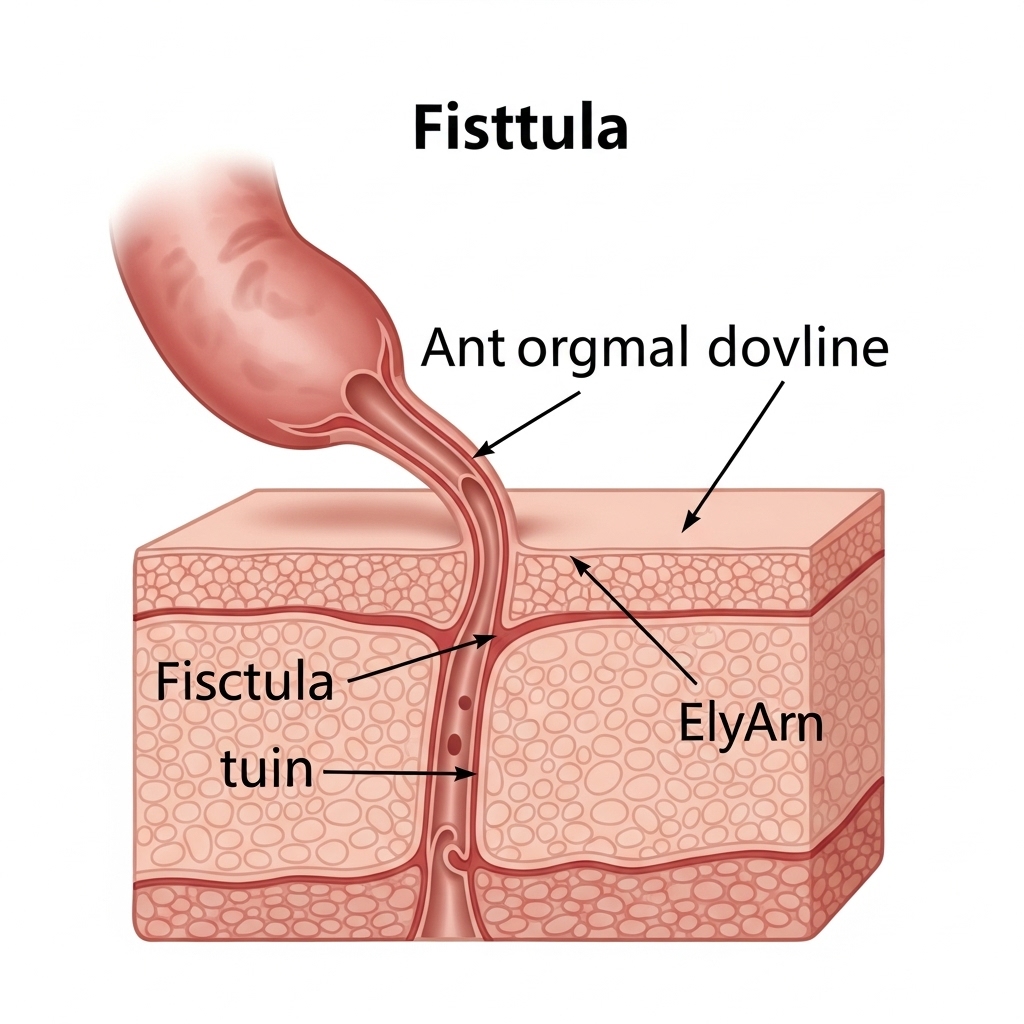
Introduction to Gastrointestinal Surgery Complications
Gastrointestinal surgery, which encompasses a wide range of procedures from appendectomies to complex resections of the digestive tract, is a common and often necessary intervention for various conditions affecting the gastrointestinal system. While these surgeries can be life-saving or significantly improve the quality of life for patients, they also come with potential complications. Understanding these complications is crucial for both healthcare providers and patients to manage expectations, make informed decisions, and ensure the best possible outcomes. This article will delve into the common complications associated with gastrointestinal surgery procedures, exploring their causes, symptoms, and management strategies.
Immediate Postoperative Complications
Immediate complications following gastrointestinal surgery can be life-threatening and require prompt recognition and treatment. One of the most feared complications is bleeding, which can range from minor to severe. For instance, after a gastric bypass surgery, bleeding can occur from the staple lines or from the anastomoses (connections between different parts of the intestine). Another immediate complication is infection, which can manifest as wound infections, intra-abdominal abscesses, or pneumonia. These infections can be particularly dangerous in patients with compromised immune systems or those who have undergone extensive surgeries. Respiratory complications, such as atelectasis (collapse of lung tissue) or respiratory failure, are also common due to the proximity of gastrointestinal organs to the diaphragm and lungs.
Short-Term Complications
In the short term, patients who have undergone gastrointestinal surgery may experience a variety of complications. One of the most common is ileus, a condition where there is a temporary halt of the normal contractions of the bowel muscles, leading to a build-up of food, fluids, and gas in the digestive system. This can cause nausea, vomiting, abdominal pain, and constipation. Another short-term complication is the development of adhesions, which are bands of fibrous tissue that can form between organs or between an organ and the abdominal wall, potentially leading to bowel obstruction. Nutritional deficiencies can also arise, especially after surgeries that involve the removal of parts of the digestive tract, such as the stomach or small intestine, which can lead to malabsorption of essential nutrients.
Long-Term Complications
Long-term complications of gastrointestinal surgery can significantly impact a patient's quality of life and may require ongoing management. For example, after a gastrectomy (removal of the stomach), patients may experience dumping syndrome, where food moves too quickly from the stomach to the small intestine, leading to symptoms like diarrhea, abdominal cramps, and nausea. Another long-term issue is bowel obstruction, which can occur due to adhesions, hernias, or narrowing of the intestine. Patients who have undergone certain types of weight-loss surgeries, such as gastric bypass, may experience complications like malnutrition, osteoporosis, or neurological problems due to deficiencies in vitamins and minerals. Additionally, some patients may develop chronic diarrhea or constipation, depending on the type of surgery and the portion of the gastrointestinal tract affected.
Psychological and Social Complications
Beyond the physical complications, gastrointestinal surgery can also have psychological and social impacts on patients. The recovery period can be stressful, and the changes in bodily function and appearance can affect a patient's self-esteem and body image. For instance, patients who have undergone ostomy surgery (creation of an opening in the abdomen for the diversion of feces or urine) may face challenges in adapting to their new condition, including managing the ostomy bag and dealing with potential leakage or skin irritation. Socially, patients may need to adjust their diet, lifestyle, and even their work or leisure activities, which can lead to feelings of isolation or frustration. Support from healthcare providers, family, and support groups can play a crucial role in helping patients cope with these challenges.
Prevention and Management of Complications
Preventing complications of gastrointestinal surgery begins with thorough preoperative evaluation and preparation of the patient. This includes optimizing the patient's nutritional status, managing chronic conditions like diabetes or hypertension, and stopping smoking to reduce the risk of respiratory and wound complications. During surgery, meticulous technique and the use of minimally invasive approaches when possible can help reduce the risk of complications. Postoperative care is also critical, with monitoring for early signs of complications, pain management, and early mobilization to prevent issues like deep vein thrombosis and pneumonia. For long-term complications, follow-up care with a multidisciplinary team, including surgeons, nutritionists, and psychologists, can help manage issues like malnutrition, dumping syndrome, and psychological distress.
Conclusion
In conclusion, while gastrointestinal surgery can offer significant benefits for patients with conditions affecting the digestive system, it is not without risks. Understanding the potential complications, from immediate postoperative issues like bleeding and infection to long-term challenges such as nutritional deficiencies and psychological impacts, is essential for providing high-quality care. By recognizing these complications early and implementing effective management strategies, healthcare providers can improve outcomes and enhance the quality of life for patients undergoing gastrointestinal surgery. Ongoing research and advancements in surgical techniques, coupled with comprehensive patient care and support, will continue to play a vital role in minimizing complications and maximizing the benefits of gastrointestinal surgery.