
Introduction to Operational Risk Analysis
Operational risk analysis is a critical component of risk management for financial institutions, including those in India. It involves identifying, assessing, and mitigating potential risks that can impact an organization's operations, reputation, and bottom line. In the Indian financial sector, operational risk analysis is essential due to the country's complex regulatory environment, rapidly evolving technology landscape, and increasing customer expectations. This article will outline the key steps in conducting operational risk analysis for Indian financial institutions, providing insights and examples to help organizations navigate this complex process.
Identifying Operational Risks
The first step in conducting operational risk analysis is to identify potential risks that can impact an organization's operations. This involves reviewing internal and external factors, such as business processes, systems, people, and external events. Indian financial institutions should consider risks such as cyber attacks, data breaches, natural disasters, and regulatory non-compliance. For example, a bank may identify the risk of a cyber attack on its online banking system, which could result in financial losses and reputational damage. To identify operational risks, organizations can use techniques such as brainstorming sessions, risk assessments, and review of historical data.
Assessing Operational Risks
Once operational risks have been identified, the next step is to assess their likelihood and potential impact. This involves evaluating the probability of each risk occurring and the potential consequences if it does. Indian financial institutions can use risk assessment frameworks, such as the Risk Management Framework (RMF) or the Committee of Sponsoring Organizations (COSO) framework, to assess operational risks. For example, a risk assessment may reveal that a cyber attack on a bank's online banking system is highly likely and could result in significant financial losses. The assessment should also consider the effectiveness of existing controls and mitigation measures.
Implementing Risk Mitigation Measures
After assessing operational risks, Indian financial institutions should implement risk mitigation measures to reduce the likelihood and potential impact of each risk. This may involve implementing new controls, such as firewalls and intrusion detection systems, or enhancing existing controls, such as employee training programs. For example, a bank may implement a multi-factor authentication system to reduce the risk of unauthorized access to its online banking system. Organizations should also develop incident response plans to respond quickly and effectively in the event of a risk materializing.
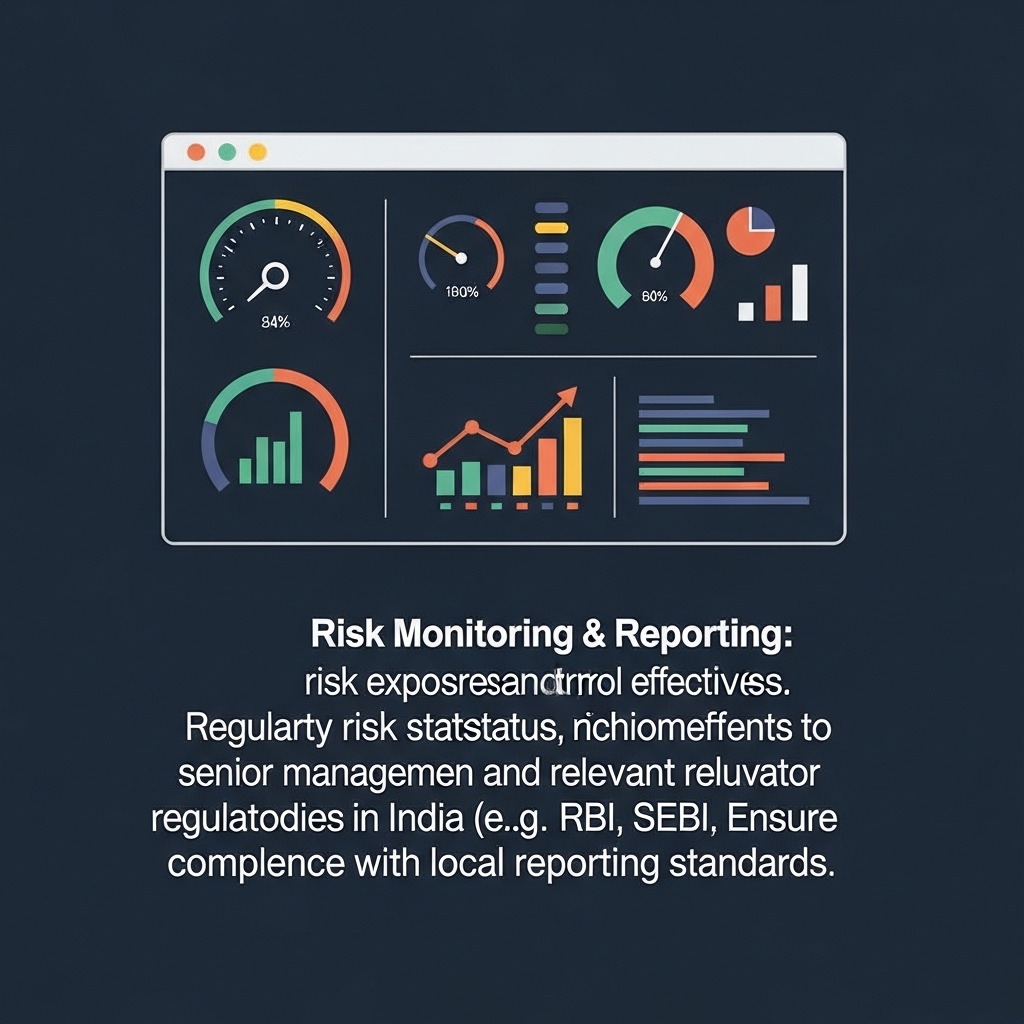
Monitoring and Reviewing Operational Risks
Operational risk analysis is an ongoing process that requires continuous monitoring and review. Indian financial institutions should regularly review their risk assessments and mitigation measures to ensure they remain effective. This involves monitoring key risk indicators (KRIs) and tracking changes in the organization's risk profile. For example, a bank may monitor the number of cyber attacks on its online banking system and adjust its risk mitigation measures accordingly. Organizations should also conduct regular audits and reviews to ensure compliance with regulatory requirements and industry standards.
Regulatory Requirements and Industry Standards
Indian financial institutions must comply with various regulatory requirements and industry standards related to operational risk management. The Reserve Bank of India (RBI) has issued guidelines on operational risk management, which require banks to implement a robust operational risk management framework. The RBI also requires banks to maintain a minimum capital adequacy ratio to cover operational risks. Indian financial institutions must also comply with international standards, such as the Basel Accords, which provide guidelines on operational risk management. For example, the Basel Committee on Banking Supervision (BCBS) requires banks to maintain a minimum capital requirement to cover operational risks.
Best Practices for Operational Risk Analysis
Indian financial institutions can learn from best practices in operational risk analysis to improve their risk management capabilities. These best practices include maintaining a risk-aware culture, implementing a robust risk management framework, and continuously monitoring and reviewing operational risks. Organizations should also invest in employee training and awareness programs to ensure that all staff understand the importance of operational risk management. For example, a bank may establish a risk management committee to oversee operational risk management and provide guidance to employees. By following these best practices, Indian financial institutions can reduce the likelihood and potential impact of operational risks and maintain a strong reputation in the market.
Conclusion
In conclusion, conducting operational risk analysis is a critical component of risk management for Indian financial institutions. By identifying, assessing, and mitigating operational risks, organizations can reduce the likelihood and potential impact of risks and maintain a strong reputation in the market. Indian financial institutions should follow the key steps outlined in this article, including identifying operational risks, assessing operational risks, implementing risk mitigation measures, monitoring and reviewing operational risks, and complying with regulatory requirements and industry standards. By adopting best practices in operational risk analysis, organizations can improve their risk management capabilities and achieve long-term success in the Indian financial sector.