
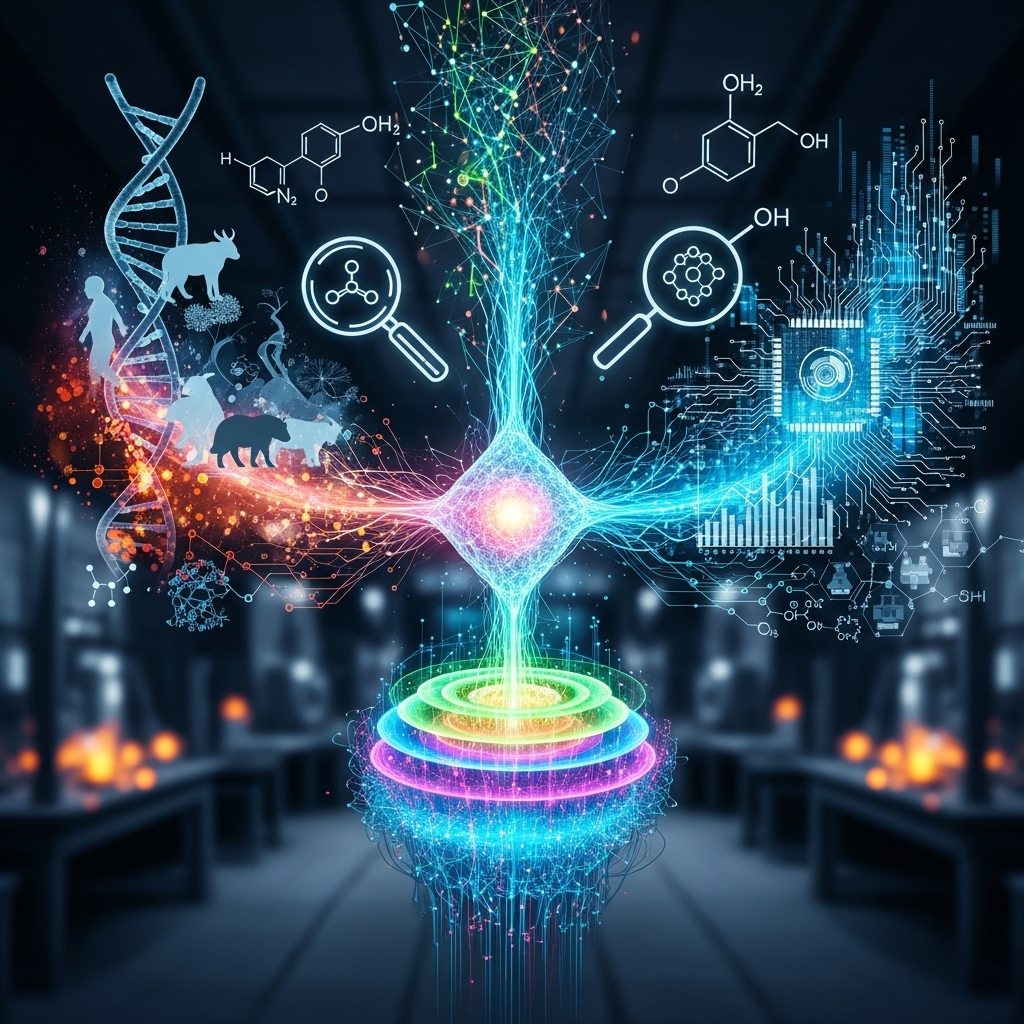
Introduction to Computational Toxicology Innovation
Computational toxicology, a field at the intersection of toxicology and computer science, has been rapidly evolving over the past few decades. It involves the use of computational models and simulations to predict the toxicological profiles of chemicals, thereby reducing the need for animal testing and accelerating the development of safer products. The innovation in computational toxicology modeling and simulation is driven by several factors, including advancements in computer technology, the availability of large datasets, and the need for more accurate and efficient methods for toxicity prediction. This article will explore the key drivers of innovation in computational toxicology modeling and simulation, highlighting recent advancements, challenges, and future directions.
Advancements in Computer Technology
One of the primary drivers of innovation in computational toxicology is the rapid advancement in computer technology. The increase in computing power and the reduction in costs have made it possible to run complex simulations and analyze large datasets, which were previously unimaginable. For instance, the use of high-performance computing (HPC) and cloud computing has enabled researchers to perform simulations that require massive computational resources, such as molecular dynamics simulations and quantum mechanics calculations. Additionally, the development of specialized hardware, such as graphics processing units (GPUs) and tensor processing units (TPUs), has further accelerated the pace of computations, allowing for faster and more accurate simulations.
Availability of Large Datasets
The availability of large datasets is another key driver of innovation in computational toxicology. The increasing amount of experimental data, including high-throughput screening data, genomic data, and transcriptomic data, has enabled the development of more accurate and robust computational models. For example, the Toxicity Forecaster (ToxCast) program, launched by the US Environmental Protection Agency (EPA), has generated a vast amount of data on the toxicity of thousands of chemicals, which can be used to train and validate computational models. Similarly, the Open Toxicity Database, a publicly available database of toxicological data, provides a valuable resource for researchers to develop and test new models.
Machine Learning and Artificial Intelligence
Machine learning (ML) and artificial intelligence (AI) are revolutionizing the field of computational toxicology. ML algorithms, such as random forest, support vector machines, and deep neural networks, can be used to analyze large datasets and identify complex patterns and relationships between chemical structure and toxicity. For instance, a study published in the journal Toxicological Sciences used a deep neural network to predict the toxicity of chemicals based on their molecular structure, achieving high accuracy and outperforming traditional methods. AI can also be used to automate the process of model development, validation, and application, making it possible to quickly develop and deploy new models.
Integration with Other Disciplines
The integration of computational toxicology with other disciplines, such as biology, chemistry, and pharmacology, is also driving innovation in the field. By combining computational models with experimental data and expertise from other fields, researchers can develop more comprehensive and accurate models of toxicity. For example, the use of systems biology approaches, which integrate data from multiple levels of biological organization, can provide a more complete understanding of the mechanisms of toxicity and enable the development of more effective models. Additionally, the collaboration between computational toxicologists and experts from other fields can facilitate the translation of computational models into real-world applications.
Challenges and Future Directions
Despite the rapid progress in computational toxicology, there are still several challenges that need to be addressed. One of the major challenges is the lack of standardization and validation of computational models, which can make it difficult to compare and combine results from different models. Another challenge is the need for more accurate and comprehensive datasets, particularly for understudied areas such as toxicokinetics and toxicodynamics. Future directions for computational toxicology include the development of more integrated and comprehensive models, the use of emerging technologies such as blockchain and internet of things (IoT), and the increased focus on translational research and real-world applications.
Conclusion
In conclusion, the innovation in computational toxicology modeling and simulation is driven by a combination of factors, including advancements in computer technology, the availability of large datasets, machine learning and artificial intelligence, and integration with other disciplines. While there are still challenges to be addressed, the field is rapidly evolving, and future directions include the development of more comprehensive and accurate models, the use of emerging technologies, and the increased focus on translational research and real-world applications. As computational toxicology continues to advance, it is likely to play an increasingly important role in the development of safer products, the reduction of animal testing, and the protection of human health and the environment.