
Introduction to Immersive Game Design
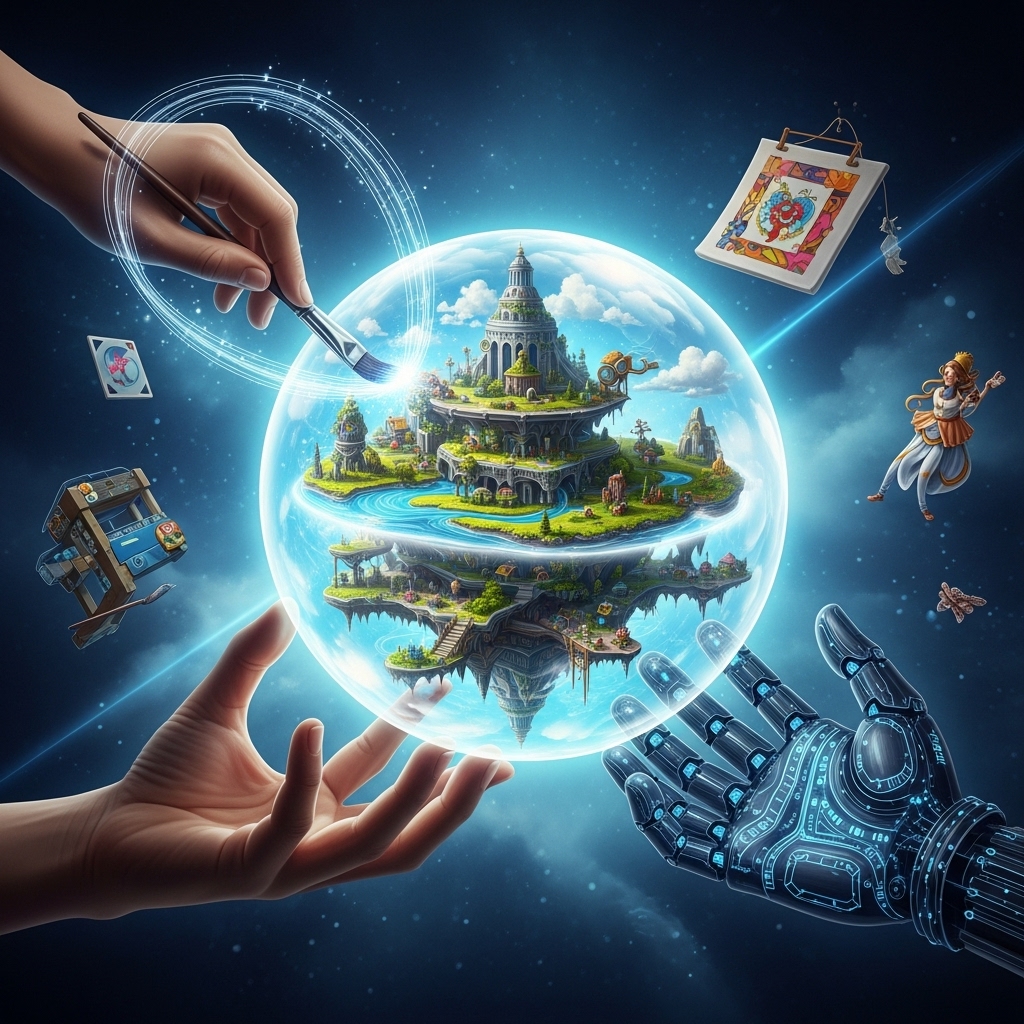
Crafting immersive worlds is a delicate balance of art, psychology, and technology, requiring game designers to wear multiple hats to create engaging and believable environments. The goal of immersive game design is to transport players to new and exciting worlds, evoking emotions, and creating lasting memories. In this article, we will delve into the intersection of art, psychology, and technology in game design, exploring the key elements that contribute to crafting immersive worlds. From the initial concept to the final product, we will examine the crucial role of each discipline in creating an engaging and immersive gaming experience.
The Art of World-Building
World-building is a critical aspect of game design, as it sets the stage for the entire gaming experience. It involves creating a rich, detailed, and cohesive environment that draws players in and refuses to let go. The art of world-building encompasses various elements, including architecture, landscape design, and visual effects. A well-crafted world should be visually stunning, with a unique aesthetic that reflects the game's narrative and atmosphere. For example, the world of The Legend of Zelda: Breath of the Wild is a masterclass in world-building, with its vast, open landscapes, intricate architecture, and meticulous attention to detail. The game's world is so immersive that players can spend hours exploring, discovering new locations, and uncovering hidden secrets.
The Psychology of Immersion
Psychology plays a vital role in game design, as it helps designers understand how players interact with and respond to the game world. The psychology of immersion is a complex topic, involving various factors such as emotional investment, cognitive engagement, and social interaction. Designers must consider how players will emotionally connect with the game, what motivates them to continue playing, and how to create a sense of community and social bonding. For instance, the game Portal uses dark humor and clever writing to create a strong emotional connection with players, while World of Warcraft fosters a sense of community through its vast multiplayer features and regular updates. By understanding the psychological aspects of immersion, designers can craft games that resonate with players on a deeper level.
Technological Advancements in Game Design
Technology has revolutionized the game design industry, providing designers with a wide range of tools and techniques to create immersive worlds. Advances in graphics processing, physics engines, and artificial intelligence have enabled designers to create more realistic and interactive environments. The use of virtual reality (VR) and augmented reality (AR) technology has also expanded the possibilities of game design, allowing players to experience games in entirely new ways. For example, the game Beat Saber uses VR technology to create a highly immersive and interactive experience, while Pokemon Go utilizes AR to bring the game world into the real world. As technology continues to evolve, we can expect to see even more innovative and immersive game designs in the future.
Sound Design and Audio Immersion
Sound design is a crucial aspect of game design, as it helps to create a rich and immersive audio environment. The use of 3D audio, sound effects, and music can transport players to new and exciting worlds, evoking emotions and enhancing the overall gaming experience. A well-crafted soundtrack can also help to create a sense of tension, fear, or excitement, drawing players deeper into the game world. For example, the game Resident Evil 7: Biohazard uses 3D audio to create a terrifying atmosphere, with creepy sound effects and a haunting soundtrack that immerses players in the game's dark and foreboding world. By carefully considering the role of sound design in game development, designers can create a more engaging and immersive experience for players.
Player Agency and Interactive Storytelling
Player agency and interactive storytelling are essential elements of immersive game design, as they allow players to take an active role in shaping the game world and narrative. By providing players with choices and consequences, designers can create a sense of ownership and investment, drawing players deeper into the game. The use of branching narratives, multiple endings, and dynamic storytelling can also enhance the replay value of a game, encouraging players to experiment with different choices and outcomes. For example, the game The Witcher 3: Wild Hunt features a complex narrative with multiple endings, depending on the player's choices throughout the game. By incorporating player agency and interactive storytelling, designers can create games that are more engaging, immersive, and memorable.
Conclusion: The Future of Immersive Game Design
In conclusion, crafting immersive worlds is a complex and multifaceted process, requiring a deep understanding of art, psychology, and technology. By balancing these disciplines, game designers can create engaging and believable environments that transport players to new and exciting worlds. As technology continues to evolve, we can expect to see even more innovative and immersive game designs in the future. The use of VR, AR, and other emerging technologies will likely play a significant role in shaping the future of game design, providing designers with new tools and techniques to create immersive worlds. Ultimately, the key to crafting immersive worlds is to understand the intersection of art, psychology, and technology, and to use this knowledge to create games that resonate with players on a deeper level. By doing so, designers can create games that are not only entertaining but also thought-provoking, emotionally resonant, and memorable.