
Introduction to Carbon Footprints
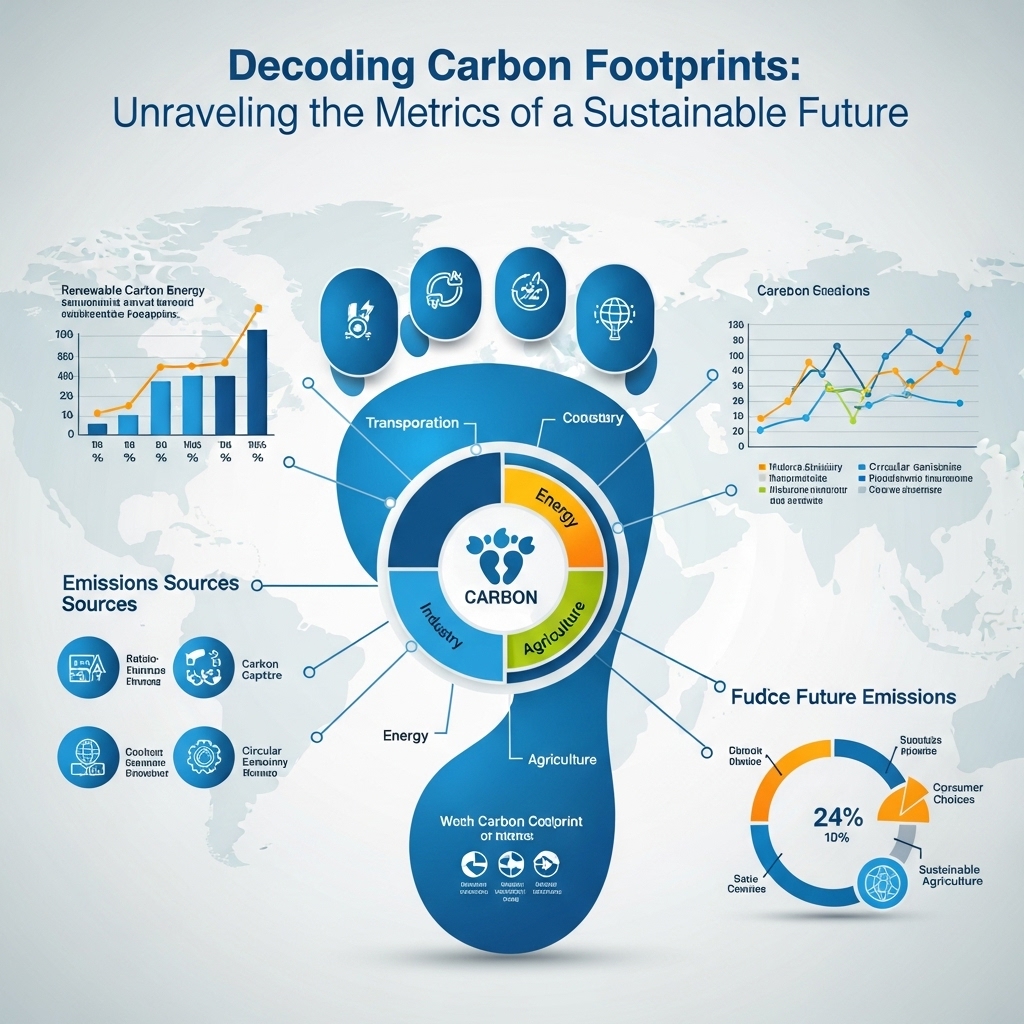
As the world grapples with the challenges of climate change, the concept of carbon footprints has become increasingly important. A carbon footprint refers to the amount of greenhouse gas emissions, particularly carbon dioxide, that are released into the atmosphere as a result of human activities. These emissions contribute to global warming and have severe consequences on the environment, including rising sea levels, more frequent natural disasters, and loss of biodiversity. In this article, we will delve into the world of carbon metrics, exploring the various ways to measure and reduce carbon footprints, and discuss the importance of adopting sustainable practices to mitigate the effects of climate change.
Understanding Carbon Metrics
Carbon metrics are used to measure the amount of greenhouse gas emissions associated with a particular activity, product, or organization. There are several types of carbon metrics, including carbon footprint, carbon intensity, and carbon offsetting. Carbon footprint refers to the total amount of emissions produced, while carbon intensity measures the emissions per unit of activity, such as grams of CO2 per mile traveled. Carbon offsetting involves compensating for emissions by investing in projects that reduce greenhouse gas emissions elsewhere. For example, a company may offset its emissions from air travel by investing in a wind farm or reforestation project.
Carbon metrics can be applied to various aspects of life, including individual lifestyles, businesses, and governments. For instance, a person's carbon footprint can be calculated based on their energy consumption, transportation, and food choices. Similarly, a company's carbon footprint can be measured by assessing its energy usage, supply chain, and production processes. Governments can also use carbon metrics to track their country's overall emissions and develop policies to reduce them.
Measuring Carbon Footprints
Measuring carbon footprints involves calculating the amount of greenhouse gas emissions associated with a particular activity or product. This can be done using various methods, including life cycle assessment (LCA) and input-output analysis. LCA involves assessing the emissions associated with each stage of a product's life cycle, from raw material extraction to end-of-life disposal. Input-output analysis, on the other hand, involves analyzing the emissions associated with each stage of production and consumption.
For example, a study on the carbon footprint of a pair of jeans might consider the emissions associated with cotton production, manufacturing, transportation, and consumer use. The study might find that the majority of emissions come from the production stage, highlighting the need for more sustainable manufacturing practices. Similarly, a company might conduct an LCA of its supply chain to identify areas where emissions can be reduced.
Reducing Carbon Footprints
Reducing carbon footprints requires a multi-faceted approach that involves individuals, businesses, and governments. One of the most effective ways to reduce emissions is to increase energy efficiency and transition to renewable energy sources. This can be achieved through measures such as insulating buildings, using energy-efficient appliances, and investing in solar or wind power.
Another key strategy is to adopt sustainable transportation options, such as electric or hybrid vehicles, public transport, or cycling and walking. Individuals can also make a significant impact by changing their dietary habits, such as reducing meat consumption and choosing locally sourced and seasonal produce. Businesses can reduce their carbon footprint by implementing sustainable supply chain practices, reducing waste, and promoting sustainable products and services.
Carbon Offsetting and Carbon Pricing
Carbon offsetting involves compensating for emissions by investing in projects that reduce greenhouse gas emissions elsewhere. This can be done through various mechanisms, such as carbon credits, carbon taxes, or voluntary offsetting schemes. Carbon credits are certificates that represent a reduction in greenhouse gas emissions, which can be traded on the carbon market. Carbon taxes, on the other hand, involve imposing a fee on activities that produce emissions, such as fuel consumption or air travel.
Carbon pricing is a key strategy for reducing emissions, as it provides a financial incentive for individuals and businesses to adopt sustainable practices. For example, a company that invests in renewable energy may be able to sell its excess energy back to the grid and receive a carbon credit, which can be traded on the market. Similarly, a government may impose a carbon tax on fossil fuel consumption, which can be used to fund sustainable infrastructure projects.
Case Studies and Examples
Several companies and countries have made significant strides in reducing their carbon footprints. For example, the city of Copenhagen has set a goal to become carbon neutral by 2025, and has implemented a range of measures to reduce emissions, including increasing energy efficiency, promoting cycling and walking, and investing in renewable energy. Similarly, companies such as Google and Microsoft have made significant investments in renewable energy and have implemented sustainable practices throughout their operations.
Another example is the country of Costa Rica, which has made a commitment to become carbon neutral by 2050. The country has implemented a range of measures to reduce emissions, including reforestation, promoting sustainable agriculture, and investing in renewable energy. These examples demonstrate that reducing carbon footprints is achievable and can have significant economic, social, and environmental benefits.
Conclusion
In conclusion, decoding carbon footprints is crucial for creating a sustainable future. By understanding the metrics of carbon emissions, we can identify areas where reductions can be made and develop effective strategies to mitigate the effects of climate change. Individuals, businesses, and governments must work together to adopt sustainable practices, increase energy efficiency, and transition to renewable energy sources. By doing so, we can reduce our carbon footprints and create a more sustainable future for generations to come.
Ultimately, reducing carbon footprints requires a fundamental transformation of our economies and societies. It requires a shift away from fossil fuels and towards renewable energy, a reduction in waste and consumption, and a commitment to sustainable practices. While the task may seem daunting, the benefits of reducing carbon footprints are clear: a healthier environment, a more stable climate, and a more sustainable future for all.