
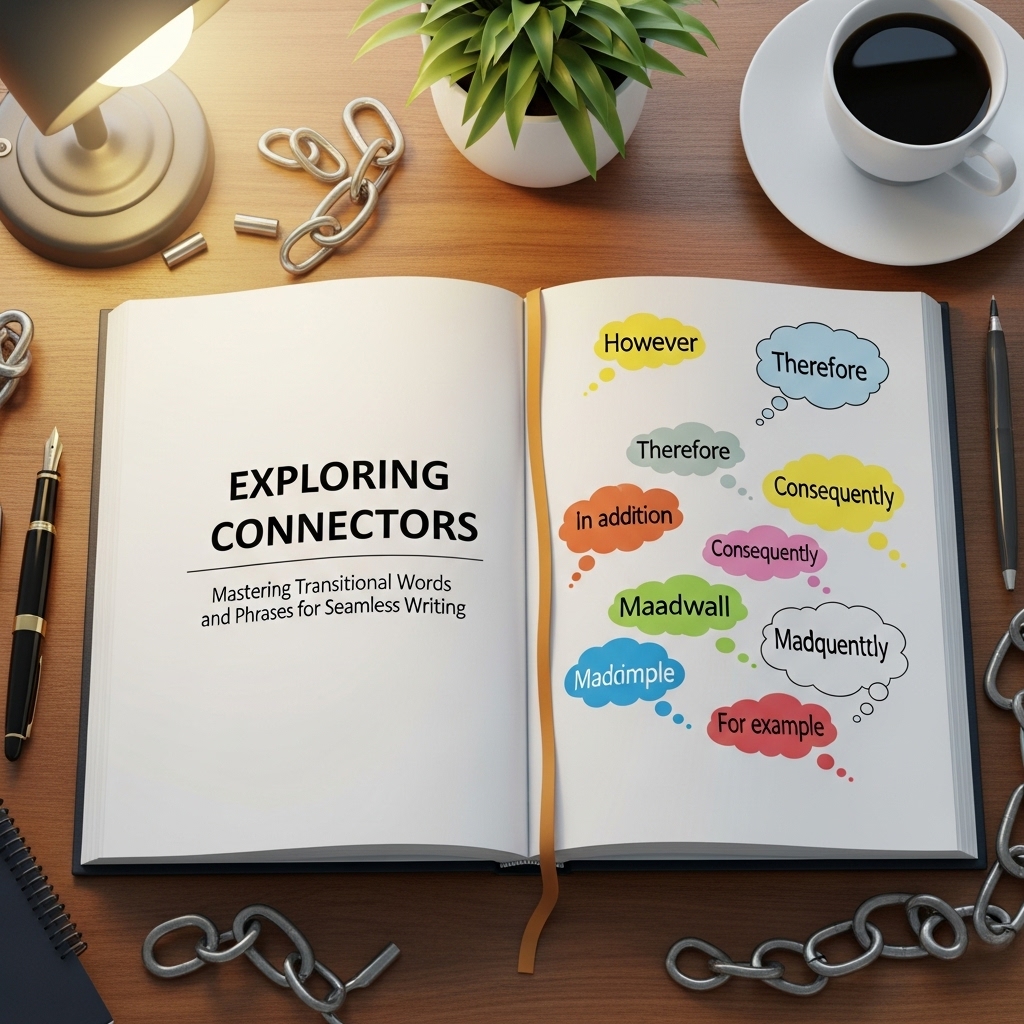
Introduction to Connectors
Connectors, also known as transitional words and phrases, are essential elements in writing that help to link ideas, sentences, and paragraphs together. They enable writers to create a smooth flow of information, making their text more readable, coherent, and engaging. In this article, we will delve into the world of connectors, exploring their types, functions, and usage, to help you master the art of seamless writing. Whether you are a student, a professional, or a blogger, understanding and using connectors effectively can significantly enhance the clarity and impact of your writing.
Types of Connectors
There are several types of connectors, each serving a specific purpose. The main categories include additive, adversative, causal, and sequential connectors. Additive connectors, such as "and," "also," and "in addition," are used to add information or ideas. Adversative connectors, like "but," "however," and "on the other hand," indicate a contrast or opposition. Causal connectors, including "because," "since," and "as a result," show cause-and-effect relationships. Sequential connectors, such as "first," "next," and "then," are used to indicate a sequence of events or steps. Understanding these categories and their respective functions is crucial for effective connector usage.
Using Additive Connectors
Additive connectors are used to add information, ideas, or examples to the text. They help to create a sense of continuity and expansion, making the writing more comprehensive and detailed. For instance, in the sentence "I love reading books, and I also enjoy writing stories," the connector "and" is used to add another idea, creating a cohesive and flowing sentence. Other examples of additive connectors include "in addition," "furthermore," and "moreover." These connectors can be used to introduce new points, provide additional evidence, or offer alternative perspectives, enriching the text and engaging the reader.
Employing Adversative Connectors
Adversative connectors are used to indicate a contrast, opposition, or surprise. They help to create a sense of tension or conflict, making the writing more dynamic and interesting. For example, in the sentence "I wanted to go to the beach, but it was raining," the connector "but" is used to introduce a contrasting idea, creating a sense of unexpectedness. Other examples of adversative connectors include "however," "on the other hand," and "in contrast." These connectors can be used to present alternative viewpoints, challenge assumptions, or highlight differences, adding depth and complexity to the text.
Causal Connectors: Exploring Cause-and-Effect Relationships
Causal connectors are used to show cause-and-effect relationships between ideas or events. They help to create a sense of logic and coherence, making the writing more persuasive and convincing. For instance, in the sentence "I didn't study for the exam, so I failed," the connector "so" is used to indicate a cause-and-effect relationship, creating a clear and logical connection between the ideas. Other examples of causal connectors include "because," "since," and "as a result." These connectors can be used to explain reasons, justify arguments, or predict outcomes, making the text more informative and engaging.
Sequential Connectors: Organizing Ideas and Events
Sequential connectors are used to indicate a sequence of events, steps, or ideas. They help to create a sense of order and progression, making the writing more structured and easy to follow. For example, in the sentence "First, I will introduce the topic, then I will provide evidence, and finally I will conclude," the connectors "first," "then," and "finally" are used to indicate a sequence of events, creating a clear and logical structure. Other examples of sequential connectors include "next," "afterwards," and "meanwhile." These connectors can be used to describe processes, narrate events, or outline procedures, making the text more coherent and readable.
Conclusion: Mastering Connectors for Effective Writing
In conclusion, connectors are essential elements in writing that help to create a smooth flow of information, making the text more readable, coherent, and engaging. By understanding the different types of connectors, including additive, adversative, causal, and sequential connectors, you can enhance the clarity and impact of your writing. Remember to use connectors judiciously, as overusing them can make the text seem cluttered and confusing. With practice and experience, you can master the art of using connectors, creating writing that is seamless, persuasive, and effective. Whether you are writing an academic essay, a business report, or a blog post, connectors can help you to communicate your ideas more clearly, making your writing more successful and engaging.