
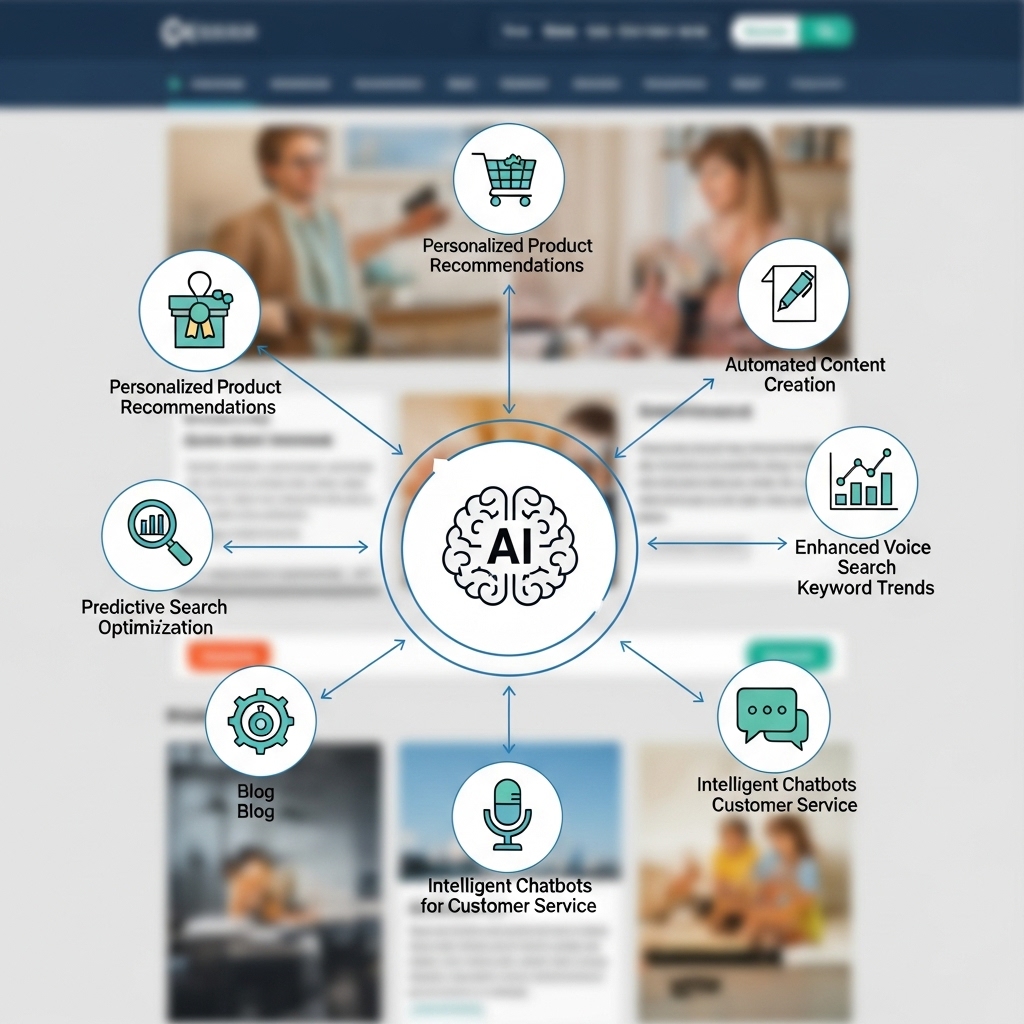
Introduction to AI and SEO in E-commerce
The integration of Artificial Intelligence (AI) into various aspects of digital marketing, including Search Engine Optimization (SEO), has revolutionized the way e-commerce websites operate and interact with their audience. AI's ability to analyze vast amounts of data, learn from it, and make predictions or decisions has made it an indispensable tool for enhancing SEO strategies. This article delves into the impact of AI on SEO for e-commerce websites, exploring how AI technologies are changing the landscape of online search and consumer engagement.
Understanding AI in SEO
AI in SEO refers to the use of artificial intelligence technologies to improve the search engine ranking and visibility of a website. This includes using machine learning algorithms to analyze user behavior, understand search intent, and optimize website content accordingly. For e-commerce sites, AI can help in personalizing the user experience, predicting buyer behavior, and streamlining the conversion process. By leveraging AI, e-commerce businesses can gain a competitive edge in the digital marketplace.
Impact of AI on Keyword Research and Content Creation
One of the primary areas where AI impacts SEO is in keyword research and content creation. Traditional keyword research involves manually searching for relevant terms and phrases that potential customers might use to find products. AI tools, however, can analyze millions of search queries, identify patterns, and suggest long-tail keywords that are less competitive and more specific. This targeted approach helps in creating content that is more likely to match user intent, thereby improving the website's visibility in search results. For instance, an e-commerce site selling outdoor gear could use AI to identify keywords like "waterproof backpacks for hiking" and create content around it, increasing the site's relevance for users searching for such specific products.
AI-driven Technical SEO
Technical SEO involves optimizing the backend of a website to make it more search engine friendly. AI can significantly enhance technical SEO by analyzing website structure, identifying broken links, optimizing images, and even predicting and preventing technical issues before they affect search rankings. AI tools can also help in optimizing website speed, which is a critical factor in user experience and search engine rankings. For example, an AI-powered tool can automatically compress images, minify CSS files, and leverage browser caching to improve page load times, all of which contribute to better SEO performance.
Personalization and User Experience
AI's ability to analyze user behavior and preferences allows for a high degree of personalization in e-commerce. By integrating AI into their SEO strategies, e-commerce sites can offer personalized product recommendations, tailored content, and even adjust the layout and design of the website based on individual user profiles. This level of personalization not only enhances user experience but also increases the likelihood of conversion. For instance, an online fashion retailer could use AI to suggest clothing items based on a user's past purchases and browsing history, making the shopping experience more engaging and relevant.
Voice Search and Natural Language Processing (NLP)
The rise of voice assistants like Siri, Google Assistant, and Alexa has made voice search a significant aspect of SEO. AI, through Natural Language Processing (NLP), enables devices to understand and interpret human speech, allowing for more natural and conversational search queries. E-commerce sites must now optimize their content to match the nuances of voice search, which often involves using long-tail keywords and phrases that mimic how people speak. For example, instead of optimizing for the keyword "best coffee maker," a site might optimize for "What's the best coffee maker for home use?" to match voice search queries.
Conclusion: The Future of AI in E-commerce SEO
The integration of AI into SEO strategies for e-commerce websites is not just a trend but a necessity for staying competitive in the digital marketplace. As AI technologies continue to evolve, we can expect even more sophisticated tools and techniques for optimizing website performance, personalizing user experience, and predicting consumer behavior. E-commerce businesses that embrace AI in their SEO strategies will be better positioned to adapt to the changing landscape of online search and consumer engagement, ultimately driving more traffic, conversions, and revenue. Whether it's through enhanced keyword research, personalized content, or improved technical SEO, AI is set to play an increasingly pivotal role in the success of e-commerce websites in the years to come.