
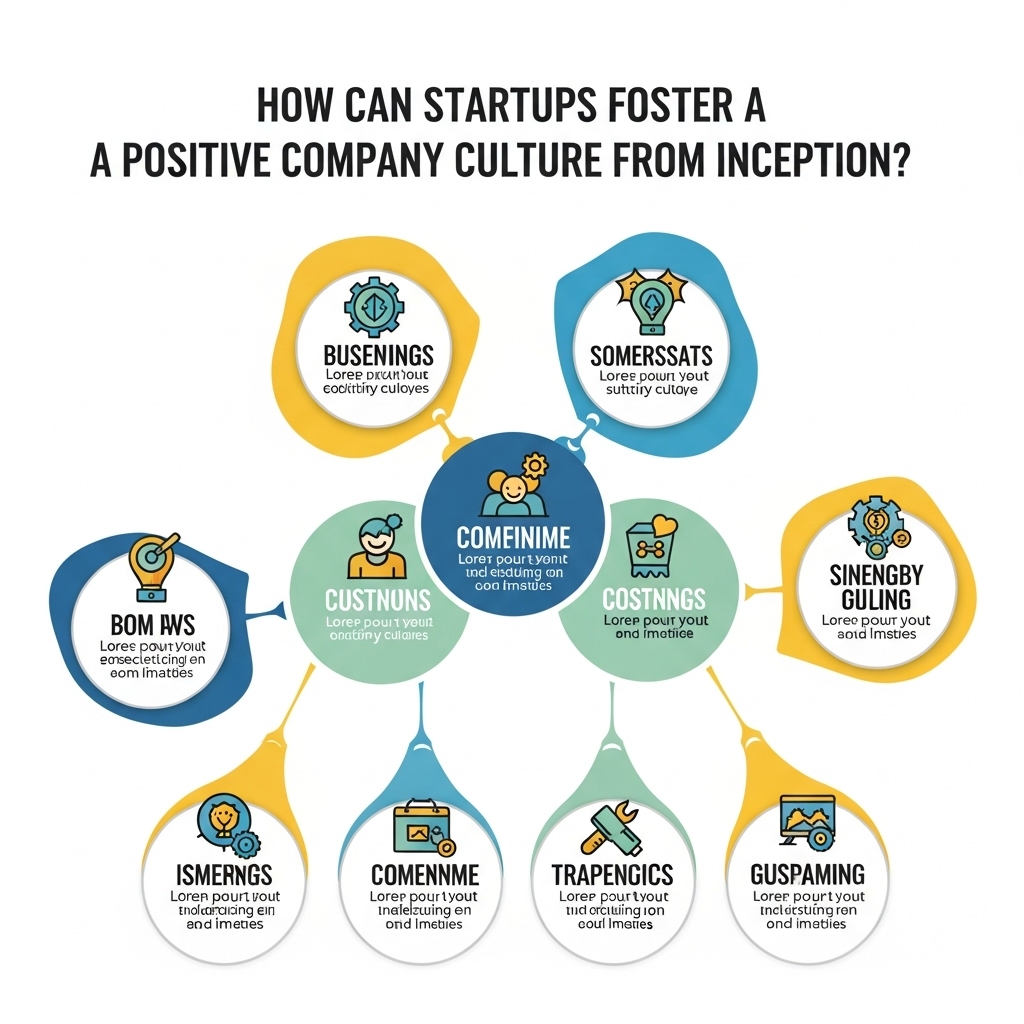
Introduction to Startup Culture Development
When it comes to startups, the focus is often on securing funding, developing a product, and scaling quickly. However, one crucial aspect that can make or break a startup's success is its company culture. A positive company culture can boost employee morale, increase productivity, and drive business growth. In this article, we'll explore how startups can foster a positive company culture from inception, and provide actionable tips and examples to help you get started.
Defining Your Company Values and Mission
Defining your company values and mission is the foundation of building a positive company culture. Your values and mission statement should reflect the principles and purpose that drive your business. It's essential to involve your founding team in this process to ensure everyone is aligned and committed to the same vision. For example, Patagonia's mission statement is "We're in business to save our home planet." This statement reflects the company's commitment to environmental responsibility and sets the tone for its culture. When defining your company values and mission, consider what matters most to your team, what kind of work environment you want to create, and what impact you want to make.
Creating a Positive Work Environment
A positive work environment is critical to fostering a positive company culture. This includes not only the physical space but also the atmosphere and interactions within it. Consider creating an open and collaborative workspace that encourages teamwork and communication. For instance, Google's offices are designed to facilitate collaboration and creativity, with features like open workspaces, game rooms, and free meals. You can also implement policies that support work-life balance, such as flexible working hours, remote work options, or on-site childcare. By creating a positive work environment, you can help reduce stress, increase job satisfaction, and promote overall well-being.
Hiring for Cultural Fit
Hiring the right people is crucial to building a positive company culture. When hiring, it's essential to look beyond skills and experience and consider cultural fit. This means assessing whether a candidate's values, personality, and work style align with your company's values and mission. For example, Zappos is known for its rigorous hiring process, which includes a cultural fit interview to ensure that new hires align with the company's values and culture. By hiring for cultural fit, you can create a team that is cohesive, motivated, and committed to your company's vision.
Encouraging Open Communication and Feedback
Open communication and feedback are vital to fostering a positive company culture. This means creating channels for employees to share their thoughts, ideas, and concerns, and providing regular feedback and recognition. Consider implementing regular town hall meetings, anonymous feedback mechanisms, or one-on-one check-ins with managers. For instance, Amazon's two-pizza team rule, which states that teams should be small enough to be fed with two pizzas, encourages open communication and collaboration. By encouraging open communication and feedback, you can build trust, foster innovation, and drive business growth.
Recognizing and Rewarding Employees
Recognizing and rewarding employees is essential to building a positive company culture. This can include employee recognition programs, bonuses, or other incentives that acknowledge and reward outstanding performance. For example, Salesforce's V2MOM (Vision, Values, Methods, Obstacles, and Measures) framework provides a clear and transparent way to recognize and reward employees who embody the company's values and mission. By recognizing and rewarding employees, you can boost morale, increase motivation, and drive business success.
Conclusion
Fostering a positive company culture from inception is critical to the success of any startup. By defining your company values and mission, creating a positive work environment, hiring for cultural fit, encouraging open communication and feedback, and recognizing and rewarding employees, you can build a strong foundation for your business. Remember that company culture is not a one-time achievement, but an ongoing process that requires effort, commitment, and dedication. By prioritizing company culture, you can create a positive, productive, and successful work environment that drives business growth and attracts top talent.