
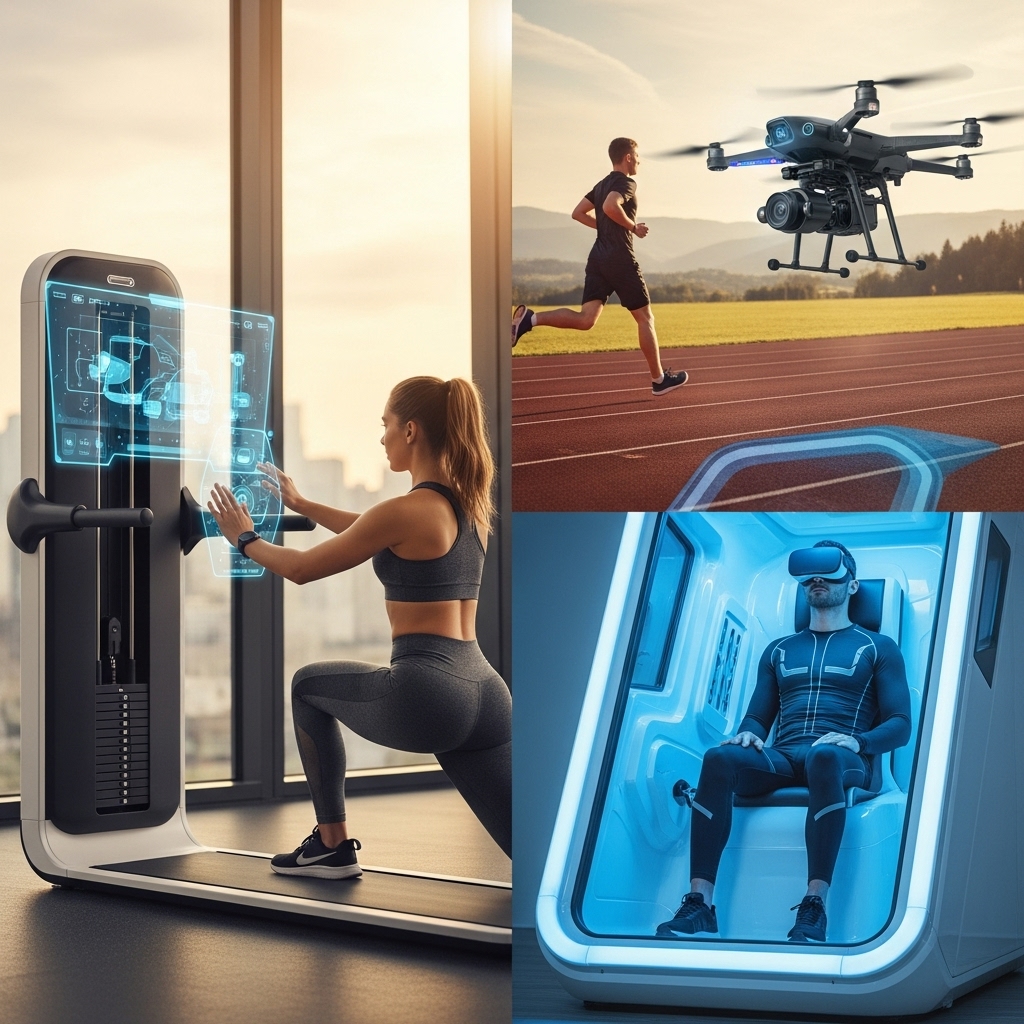
Introduction to Revolutionizing Fitness
The world of sports and fitness is undergoing a significant transformation, driven by innovative technologies, shifting consumer behaviors, and an increasing demand for personalized and immersive experiences. This evolution presents a myriad of opportunities for startups to revolutionize the fitness landscape, catering to the diverse needs of the modern athlete. From wearable technology and virtual training platforms to sustainable sports equipment and community-building apps, the possibilities for innovation are vast and promising. In this article, we will delve into some of the most innovative sports startup ideas that are changing the face of fitness.
Wearable Technology and Data Analytics
One of the most significant trends in the fitness industry is the integration of wearable technology and data analytics. Startups are developing smart wearables that track not just the basic metrics like steps and heart rate but also more advanced data such as muscle activity, running technique, and even mental health indicators. For instance, companies like Fitbit and Garmin have been pioneers in this field, offering a range of devices that cater to different types of athletes and fitness enthusiasts. However, newer startups are taking it a step further by incorporating AI-powered insights that provide personalized feedback and training recommendations based on the user's performance data. This not only enhances the user's workout experience but also helps in preventing injuries and improving overall performance.
Virtual and Augmented Reality Fitness Platforms
Virtually and augmented reality (VR/AR) technologies are beginning to make a significant impact on the fitness industry. Startups are developing immersive VR/AR experiences that simulate real-world environments, allowing users to engage in virtual workouts that are both challenging and engaging. For example, platforms like Zwift offer virtual cycling and running experiences that simulate real-world routes and conditions, complete with virtual competitors and personalized coaching. This technology not only makes workouts more enjoyable but also provides an opportunity for athletes to train in a safe and controlled environment, regardless of their geographical location or weather conditions.
Sustainable Sports Equipment and Apparel
There is a growing awareness among consumers about the environmental impact of their purchasing decisions, and the sports industry is no exception. Startups are responding to this trend by developing sustainable sports equipment and apparel made from eco-friendly materials. For instance, companies like Patagonia are using recycled polyester and regenerative farming practices to reduce their environmental footprint. Similarly, startups like Ecovative are developing biodegradable materials for sports equipment, such as mushroom-based foams for helmets and shoes. This shift towards sustainability not only appeals to the environmentally conscious consumer but also helps in reducing waste and promoting a healthier planet.
Community Building and Social Fitness Platforms
Social interaction and community building are essential components of the fitness experience, and startups are leveraging this by developing platforms that connect athletes and fitness enthusiasts. Apps like Strava and Nike Training Club offer social features that allow users to share their workouts, compete with friends, and join challenges. However, newer startups are taking this concept further by creating virtual fitness communities that offer personalized support, coaching, and motivation. For example, platforms like Peloton offer live and on-demand classes that allow users to interact with instructors and other participants in real-time, creating a sense of community and accountability that is hard to find in traditional gym settings.
Personalized Nutrition and Recovery Solutions
Nutrition and recovery are critical components of an athlete's training regimen, and startups are developing innovative solutions to cater to these needs. Companies like DNAfit offer personalized nutrition plans based on genetic analysis, providing athletes with tailored recommendations for optimal performance and recovery. Similarly, startups like Hyperice are developing advanced recovery tools like compression sleeves and vibration therapy devices that help in reducing muscle soreness and improving circulation. These solutions not only enhance athletic performance but also promote overall health and wellbeing.
Conclusion: The Future of Fitness
The fitness industry is on the cusp of a revolution, driven by innovative technologies, changing consumer behaviors, and an increasing demand for personalized and immersive experiences. The startup ideas outlined in this article represent just a few examples of the many exciting developments that are transforming the world of sports and fitness. As technology continues to evolve and consumer preferences shift, we can expect to see even more innovative solutions emerge, catering to the diverse needs of the modern athlete. Whether it's through wearable technology, virtual training platforms, sustainable equipment, or personalized nutrition and recovery solutions, the future of fitness is looking brighter and more exciting than ever.