
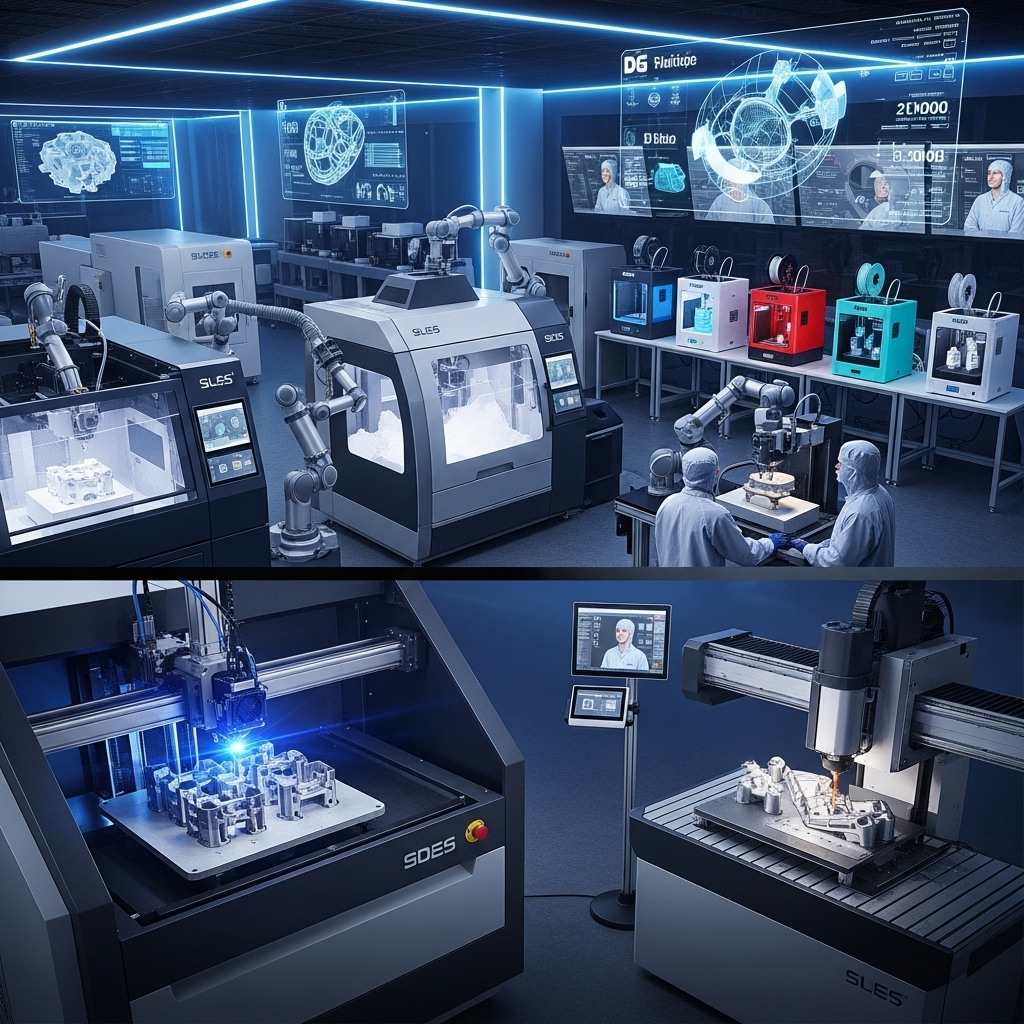
Introduction to Digital Fabrication Systems and 3D Printing
Digital fabrication systems and 3D printing technologies have been gaining significant attention in recent years due to their potential to revolutionize the manufacturing industry. These technologies enable the creation of complex products with high precision and accuracy, reducing production time and costs. The integration of digital fabrication systems and 3D printing has opened up new possibilities for innovation, allowing companies to produce customized products with unique features and functionalities. In this article, we will explore the frontiers of digital fabrication systems and 3D printing technologies, their applications, and the impact they are having on the manufacturing industry.
What are Digital Fabrication Systems?
Digital fabrication systems refer to the use of computer-controlled machines and software to design, manufacture, and assemble products. These systems use digital data to control the manufacturing process, allowing for high precision and accuracy. Digital fabrication systems include a range of technologies such as computer numerical control (CNC) machining, laser cutting, and 3D printing. These technologies enable the creation of complex products with intricate designs and geometries, which would be difficult or impossible to produce using traditional manufacturing methods. For example, digital fabrication systems are being used in the aerospace industry to produce lightweight aircraft components with complex geometries, reducing weight and increasing fuel efficiency.
3D Printing Technologies
3D printing, also known as additive manufacturing, is a type of digital fabrication system that creates products by layering materials such as plastics, metals, and ceramics. 3D printing technologies have been rapidly advancing in recent years, with the development of new printing techniques, materials, and software. There are several types of 3D printing technologies, including fused deposition modeling (FDM), stereolithography (SLA), and selective laser sintering (SLS). Each technology has its own strengths and weaknesses, and the choice of technology depends on the specific application and product requirements. For example, FDM is commonly used for prototyping and model making, while SLA is used for producing high-accuracy parts with smooth surface finishes.
Applications of Digital Fabrication Systems and 3D Printing
Digital fabrication systems and 3D printing technologies have a wide range of applications across various industries, including aerospace, automotive, healthcare, and consumer products. In the aerospace industry, digital fabrication systems are being used to produce lightweight aircraft components, such as engine parts and satellite components. In the automotive industry, 3D printing is being used to produce car parts, such as dashboard components and engine parts. In the healthcare industry, 3D printing is being used to produce customized prosthetics, implants, and surgical models. For example, 3D printing is being used to produce customized prosthetic limbs for amputees, allowing for a more comfortable and natural fit.
Benefits of Digital Fabrication Systems and 3D Printing
The benefits of digital fabrication systems and 3D printing technologies are numerous. One of the main benefits is the ability to produce complex products with high precision and accuracy. Digital fabrication systems and 3D printing also enable rapid prototyping and production, reducing product development time and costs. Additionally, these technologies allow for the creation of customized products with unique features and functionalities, enabling companies to differentiate themselves from their competitors. Another benefit is the reduction of material waste, as digital fabrication systems and 3D printing technologies use additive manufacturing processes, which build products layer by layer, reducing the amount of material required.
Challenges and Limitations of Digital Fabrication Systems and 3D Printing
Despite the many benefits of digital fabrication systems and 3D printing technologies, there are also several challenges and limitations. One of the main challenges is the high cost of equipment and materials, which can be a barrier to adoption for small and medium-sized enterprises. Another challenge is the lack of standardization and regulation, which can make it difficult to ensure the quality and safety of products produced using these technologies. Additionally, there are also concerns about intellectual property and copyright infringement, as digital fabrication systems and 3D printing technologies enable the easy reproduction of products. Furthermore, the lack of skilled workers and training programs is also a significant challenge, as digital fabrication systems and 3D printing technologies require specialized knowledge and skills.
Future Developments and Trends
The future of digital fabrication systems and 3D printing technologies is exciting and rapidly evolving. One of the trends is the development of new materials and printing technologies, such as metal 3D printing and nanomaterials. Another trend is the integration of artificial intelligence and machine learning into digital fabrication systems and 3D printing technologies, enabling real-time monitoring and optimization of the manufacturing process. Additionally, there is also a growing interest in the use of digital fabrication systems and 3D printing for sustainable and environmental applications, such as producing biodegradable products and reducing waste. As these technologies continue to advance, we can expect to see new and innovative applications across various industries, transforming the way we design, manufacture, and produce products.
Conclusion
In conclusion, digital fabrication systems and 3D printing technologies are revolutionizing the manufacturing industry, enabling the creation of complex products with high precision and accuracy. These technologies have a wide range of applications across various industries, from aerospace and automotive to healthcare and consumer products. While there are challenges and limitations, the benefits of digital fabrication systems and 3D printing technologies, including rapid prototyping and production, customization, and reduced material waste, make them an attractive option for companies looking to innovate and stay competitive. As these technologies continue to advance, we can expect to see new and innovative applications, transforming the way we design, manufacture, and produce products. The future of digital fabrication systems and 3D printing is exciting and rapidly evolving, and it will be interesting to see how these technologies shape the manufacturing industry in the years to come.