
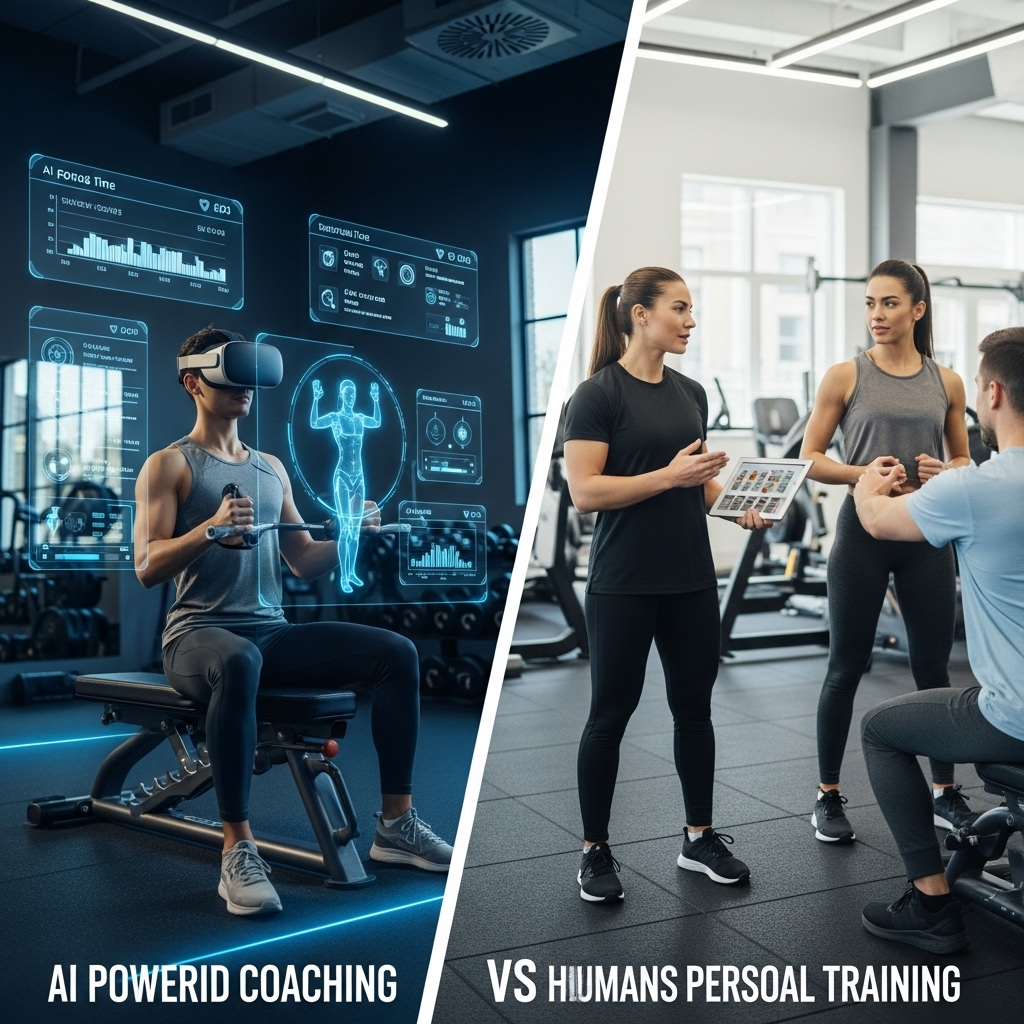
Introduction to AI-Powered Fitness Coaches
The fitness industry has witnessed a significant transformation with the integration of artificial intelligence (AI) and machine learning (ML) technologies. One of the most notable developments is the emergence of AI-powered fitness coaches, which are designed to provide personalized workout plans and real-time feedback to individuals. The question on everyone's mind is whether these AI-powered fitness coaches can replace human trainers. In this article, we will delve into the world of AI fitness automation tools and explore their capabilities, benefits, and limitations.
How AI-Powered Fitness Coaches Work
AI-powered fitness coaches use a combination of data analytics, machine learning algorithms, and natural language processing to create customized workout plans tailored to an individual's fitness goals, preferences, and abilities. These virtual coaches can be accessed through mobile apps, websites, or wearable devices, making it convenient for people to track their progress and receive guidance anywhere, anytime. For instance, the AI-powered fitness app, Fitstar, uses a user's fitness level, goals, and preferences to create a personalized workout plan, complete with video tutorials and real-time feedback.
Benefits of AI-Powered Fitness Coaches
There are several benefits associated with AI-powered fitness coaches, including increased accessibility, affordability, and convenience. Unlike human trainers, AI-powered coaches are available 24/7, allowing users to work out at their own pace and schedule. Additionally, AI-powered coaches can provide personalized feedback and guidance, which can be more effective than generic workout plans. For example, the AI-powered fitness platform, JEFIT, offers a vast exercise database and allows users to create and share their own workout routines, making it a popular choice among fitness enthusiasts.
Limitations of AI-Powered Fitness Coaches
While AI-powered fitness coaches have made significant strides in recent years, they still have some limitations. One of the primary concerns is the lack of human interaction and emotional support, which can be a crucial aspect of the workout experience. Human trainers can provide motivation, encouragement, and accountability, which can be difficult to replicate with AI-powered coaches. Furthermore, AI-powered coaches may not be able to detect subtle nuances in a user's form and technique, which can lead to injuries or ineffective workouts.
Comparison with Human Trainers
So, can AI-powered fitness coaches replace human trainers? The answer is not a simple yes or no. While AI-powered coaches can provide personalized workout plans and real-time feedback, they lack the human touch and emotional support that a personal trainer can offer. Human trainers can provide guidance on proper form and technique, help users set and achieve goals, and offer support and motivation. However, AI-powered coaches can be a cost-effective and convenient alternative for those who prefer to work out independently or have limited access to human trainers. For instance, the AI-powered fitness app, Nike Training Club, offers a range of workouts and training plans, but also allows users to connect with human trainers and fitness experts for additional guidance and support.
Future of AI-Powered Fitness Coaches
The future of AI-powered fitness coaches looks promising, with advancements in machine learning and natural language processing enabling more sophisticated and personalized workout experiences. We can expect to see more integration with wearable devices and health trackers, allowing for more accurate and comprehensive tracking of user progress. Additionally, the development of virtual and augmented reality fitness experiences may further enhance the effectiveness and engagement of AI-powered workouts. As the technology continues to evolve, we may see a shift towards hybrid models that combine the benefits of AI-powered coaches with the expertise and support of human trainers.
Conclusion
In conclusion, AI-powered fitness coaches have revolutionized the way we approach workouts, offering personalized and convenient fitness experiences. While they have their limitations, they can be a valuable tool for those who prefer to work out independently or have limited access to human trainers. As the technology continues to advance, we can expect to see more sophisticated and effective AI-powered fitness coaches that complement the expertise and support of human trainers. Ultimately, the future of fitness will likely involve a combination of both AI-powered coaches and human trainers, providing users with a range of options to achieve their fitness goals and improve their overall well-being.