
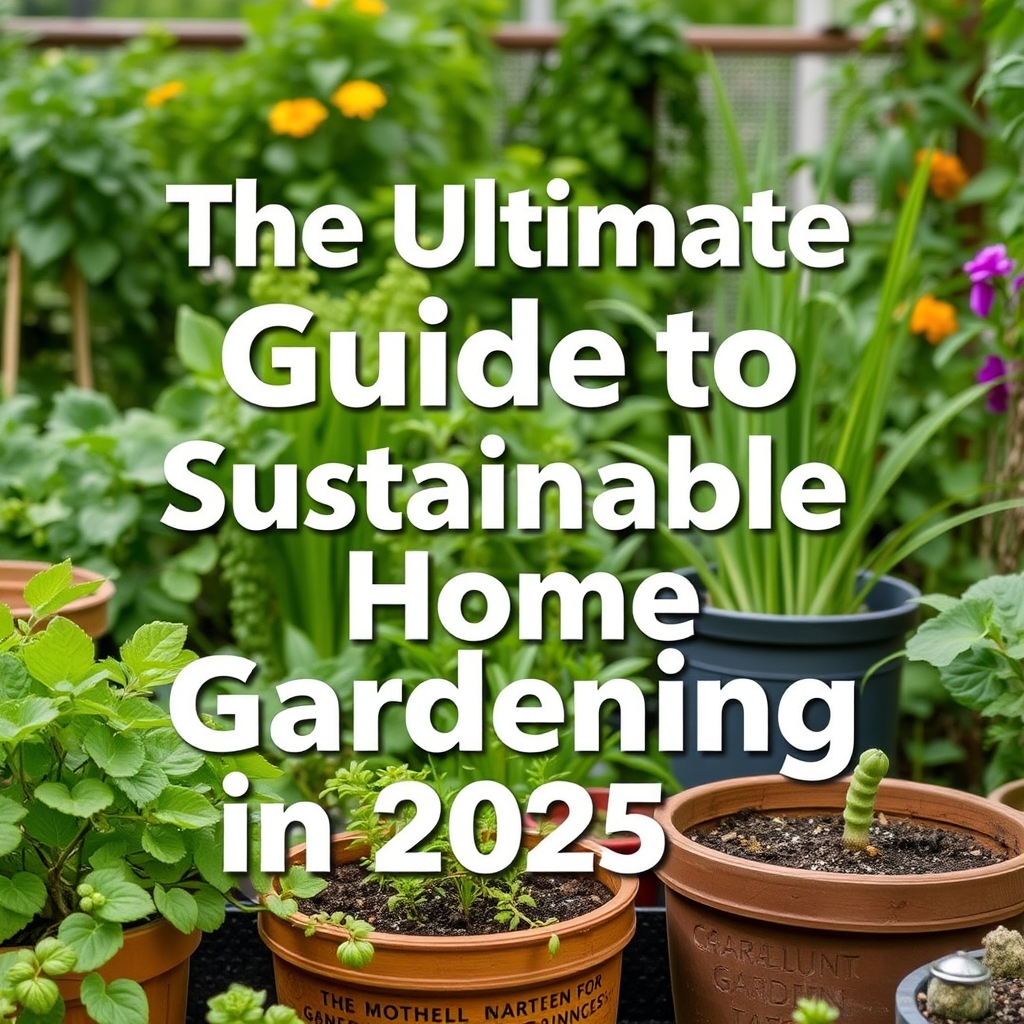
Growing your own food and landscaping with a low environmental footprint is more accessible than ever. In this guide, we explore practical, eco-friendly strategies for sustainable home gardening in 2025 and beyond.
Why sustainable gardening matters
Sustainable gardening reduces waste, conserves water, and builds resilient soil. By focusing on soil health, local biodiversity, and resource efficiency, you create a garden that supports pollinators and yields harvests year after year.
Environmental benefits include lower reliance on synthetic inputs, reduced carbon footprint from transport and energy, and improved microclimates around your home.
Start with healthy soil
Healthy soil is the foundation of a thriving garden. Begin with a soil test to understand pH, texture, and nutrient levels. Amend with compost, leaf mold, and well rotted manure to boost microbial life.
Use a no dig approach if possible, keep soil covered with mulch, and rotate crops to avoid disease buildup. A soil with robust organic matter holds water better and supports beneficial organisms.
Water wise gardening
Conserving water is essential in many regions. Install drip irrigation or soaker hoses to deliver water directly to roots and reduce evaporation. Mulch generously to keep soil moist and suppress weeds.
Collect rainwater in barrels where permitted and plant drought tolerant varieties suited to your climate to minimize irrigation needs.
Practical and affordable improvements
Raised beds, cold frames, and simple trellises can extend your growing season and improve yields without a large budget. Use companion planting to pair crops that support each other and repel pests.
Compost kitchen scraps and garden waste to create a closed loop that enriches soil and reduces trash. Reuse containers, seed starting with saved seeds, and build a small greenhouse or row cover for frost protection when needed.
Getting started this weekend
Define a small, realistic zone to begin, such as a sunny bed or a balcony planter. Test your soil, lay mulch, and install a simple drip line. Choose a few easy crops like herbs, tomatoes, lettuce, or beans to gain momentum quickly.