
Introduction to Unlocking Creative Minds
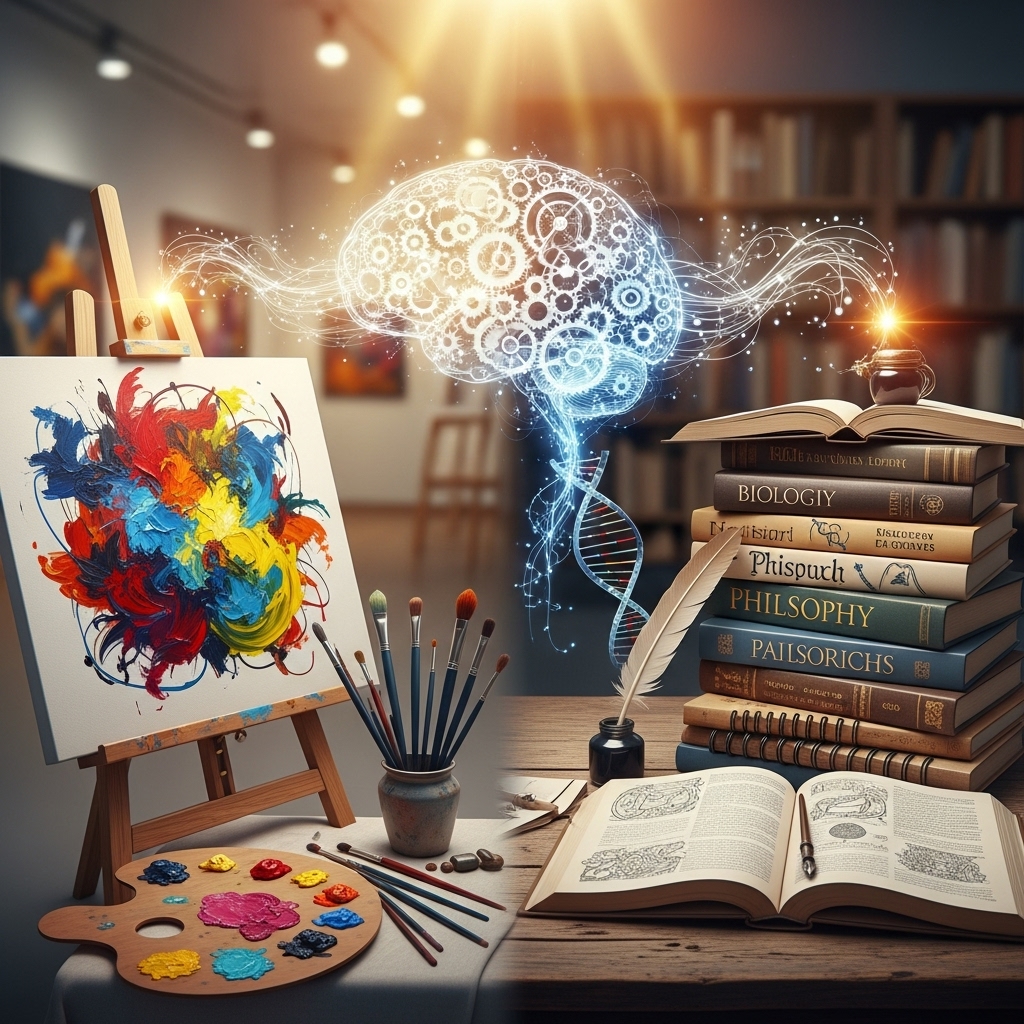
The intersection of art and intellectual curiosity is a fascinating realm where creativity knows no bounds. It's an area that has captivated human imagination for centuries, fostering innovation, critical thinking, and self-expression. By exploring this intersection, we can gain a deeper understanding of how art and intellectual curiosity influence each other, leading to a more nuanced appreciation of the creative process. This article delves into the world where art meets intellectual curiosity, examining the ways in which they intersect and the profound impact this intersection has on our understanding of creativity and innovation.
The Foundations of Creative Expression
At the heart of artistic expression lies a deep-seated intellectual curiosity—a desire to explore, question, and understand the world around us. This curiosity drives artists to experiment with different mediums, techniques, and themes, often leading to groundbreaking works that challenge societal norms and push the boundaries of what is considered "art." For instance, the works of Vincent van Gogh, with their bold colors and emotive brushstrokes, not only reflected his inner turmoil but also his curiosity about the human condition and the natural world. His letters to his brother Theo are a testament to his intellectual curiosity, filled with discussions on art, philosophy, and science.
Intellectual Curiosity in Artistic Innovation
Intellectual curiosity is the catalyst for artistic innovation. It prompts artists to venture into uncharted territories, combining different disciplines and mediums to create something entirely new. A prime example of this is the Cubist movement, pioneered by Pablo Picasso and Georges Braque. Their curiosity about the nature of reality and perception led them to fragment objects into geometric shapes, revolutionizing the way art represented the world. This movement was not just about aesthetics; it was an intellectual exploration of how we see and understand reality, reflecting the artists' deep curiosity about the human experience.
The Role of Education in Fostering Creative Minds
Education plays a pivotal role in nurturing the intersection of art and intellectual curiosity. By incorporating aesthetic education into curricula, educational institutions can foster an environment where creativity and critical thinking thrive. This approach encourages students to explore their artistic side while developing a deeper understanding of the intellectual underpinnings of art. For example, programs that combine art history with studio practice allow students to analyze the works of masters through a historical and cultural lens, while also experimenting with techniques and mediums. This holistic approach to education not only enriches students' artistic abilities but also cultivates their intellectual curiosity, preparing them to become innovative thinkers and creators.
Challenges in Balancing Art and Intellectual Curiosity
Despite the benefits of exploring the intersection of art and intellectual curiosity, there are challenges to navigating this terrain. One of the primary obstacles is the pressure to specialize in a particular field, which can limit the opportunity for interdisciplinary exploration. Additionally, the commercialization of art can sometimes prioritize marketability over intellectual depth, discouraging artists from pursuing more experimental and intellectually challenging work. However, many artists and educators are working to overcome these challenges by advocating for a more inclusive and interdisciplinary approach to art and education, one that values both creative expression and intellectual rigor.
Case Studies: Artists Who Embodied Intellectual Curiosity
There are numerous examples of artists throughout history who have embodied the spirit of intellectual curiosity in their work. Leonardo da Vinci, with his inventions, anatomical studies, and iconic artworks, is a quintessential example. His curiosity about the natural world, human anatomy, and the principles of light and color led to some of the most enduring works of the Renaissance. Similarly, the contemporary artist Ai Weiwei, known for his political and socially conscious installations, embodies intellectual curiosity through his exploration of themes such as freedom, morality, and the human condition. His work challenges viewers to think critically about the world around them, reflecting his deep curiosity about societal structures and human rights.
Conclusion: The Enduring Legacy of Creative Minds
In conclusion, the intersection of art and intellectual curiosity is a vibrant and dynamic space that has given birth to some of the most innovative and thought-provoking works in human history. By embracing this intersection, we can unlock creative minds, fostering a generation of thinkers and artists who are equipped to tackle the complex challenges of the modern world. As we look to the future, it's essential that we continue to value and nurture this intersection, providing platforms for artists and intellectuals to explore, express, and innovate. In doing so, we not only enrich our cultural landscape but also ensure that the legacy of creative minds continues to inspire and challenge us for generations to come.