
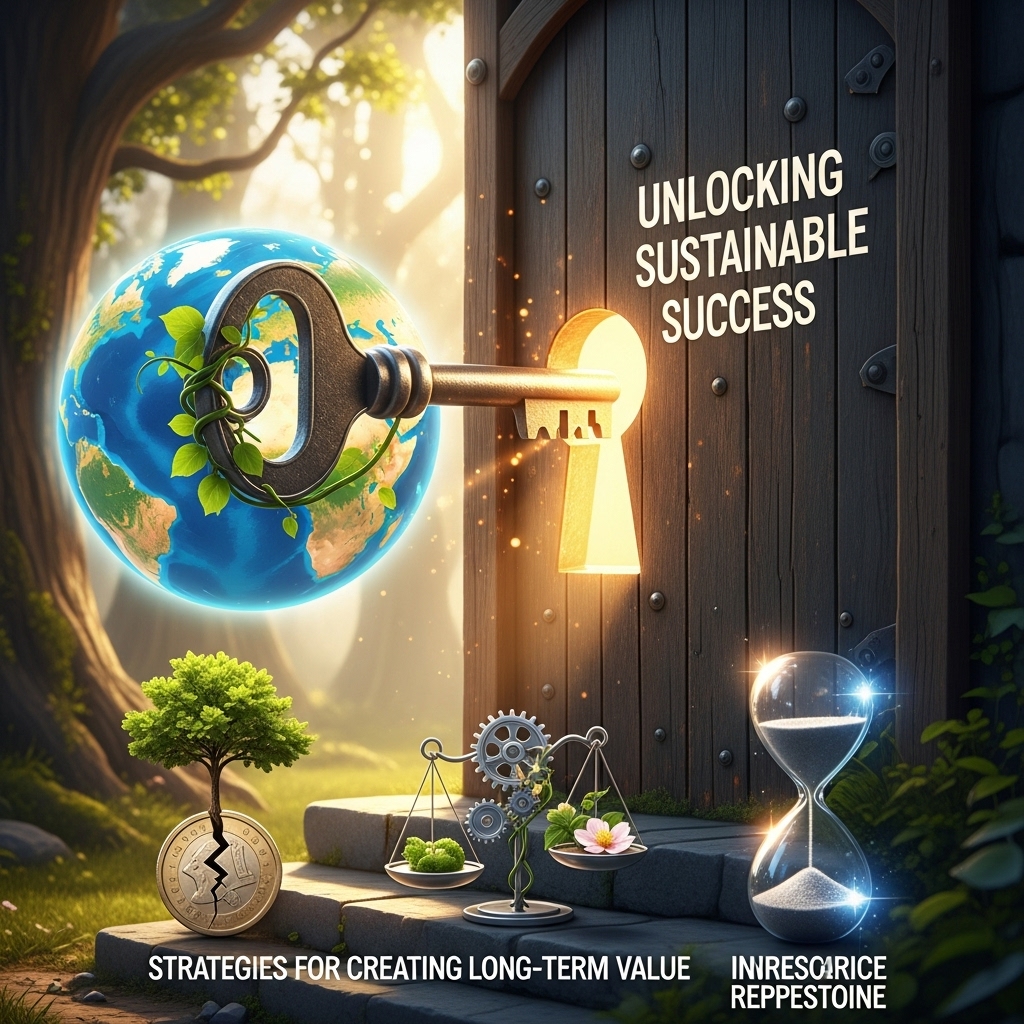
Introduction to Sustainable Success
Creating long-term value is a cornerstone of sustainable success for businesses, organizations, and individuals alike. In a world where short-term gains often overshadow long-term strategies, it's crucial to understand the importance of adopting a forward-thinking approach. Sustainable success is not just about achieving immediate goals but also about ensuring that these achievements contribute to a lasting legacy. This article will delve into the strategies and principles that underpin the creation of long-term value, providing insights and examples to guide readers on their journey towards unlocking sustainable success.
Understanding Long-Term Value
Long-term value refers to the lasting impact or benefit that an action, decision, or strategy has over an extended period. It's about creating a foundation upon which future successes can be built, rather than merely focusing on immediate returns. Understanding long-term value requires a deep analysis of an organization's or individual's mission, vision, and objectives. It involves considering how current actions will affect future outcomes and making decisions that align with long-term goals. For instance, a company might prioritize investing in renewable energy sources over relying on fossil fuels, even if it means higher upfront costs, because it understands the long-term environmental and economic benefits.
Strategies for Creating Long-Term Value
Several key strategies can help in creating long-term value. Firstly, innovation plays a critical role. Continuous innovation allows businesses to stay ahead of the curve, adapting to changing market conditions and consumer needs. This can involve investing in research and development, embracing new technologies, and fostering a culture of creativity and experimentation. Secondly, sustainability is paramount. This encompasses not only environmental sustainability but also social and economic sustainability. Companies that prioritize sustainability tend to build stronger, more resilient businesses that attract loyal customers and top talent. Thirdly, investing in people is essential. Human capital is often the most valuable asset of any organization, and investing in employee development, well-being, and satisfaction can lead to increased productivity, retention, and overall performance.
Case Studies of Sustainable Success
There are numerous examples of organizations that have successfully created long-term value through sustainable strategies. Patagonia, for instance, is a clothing company known for its environmental activism and sustainable manufacturing practices. By prioritizing the health of the planet, Patagonia has built a loyal customer base and maintained a strong brand reputation, contributing to its long-term success. Another example is Microsoft, which has made significant investments in cloud computing and artificial intelligence, positioning itself as a leader in the tech industry for years to come. These companies demonstrate that prioritizing long-term value can lead to both economic success and a positive social and environmental impact.
Overcoming Challenges to Sustainable Success
Despite the benefits, creating long-term value can be challenging. One of the main obstacles is the pressure to deliver short-term results, which can lead to decisions that compromise long-term sustainability. Additionally, the process of transitioning to sustainable practices or innovative business models can be costly and time-consuming. Moreover, there may be resistance from stakeholders who are accustomed to traditional methods or who fear change. To overcome these challenges, it's essential to have a clear vision, strong leadership, and a commitment to transparency and communication. Engaging stakeholders, providing education on the benefits of long-term strategies, and celebrating small wins can help build momentum and support for sustainable initiatives.
Measuring and Evaluating Long-Term Success
Evaluating the success of long-term strategies requires a different set of metrics than those used for short-term assessments. Traditional financial metrics such as profit and revenue are important, but they should be complemented by indicators that reflect sustainability, innovation, and social impact. This might include metrics on carbon footprint reduction, employee satisfaction, customer retention rates, and community engagement. Regular, honest assessment of these metrics can help identify areas for improvement and ensure that strategies remain aligned with long-term goals. It's also crucial to be patient and recognize that creating long-term value is a marathon, not a sprint, with progress and setbacks along the way.
Conclusion: Embracing the Future
In conclusion, unlocking sustainable success and creating long-term value is a multifaceted endeavor that requires vision, strategy, and perseverance. By understanding the principles of long-term value, adopting innovative and sustainable practices, and prioritizing human capital, organizations and individuals can set themselves on a path to lasting achievement. While challenges will arise, the benefits of sustainable success—ranging from enhanced reputation and customer loyalty to improved environmental and social outcomes—make the effort worthwhile. As the world continues to evolve, embracing a long-term perspective will become increasingly crucial for navigating the complexities of the future and ensuring a legacy of success and sustainability.