
Introduction to Blue Ocean Strategy
The Blue Ocean Strategy is a business approach that was first introduced by W. Chan Kim and Renée Mauborgne in their 2005 book, "Blue Ocean Strategy: How to Create Uncontested Market Space and Make the Competition Irrelevant." This strategy is based on the idea of creating a new market space, or "blue ocean," where there is no competition, rather than competing in an existing market space, or "red ocean." The Blue Ocean Strategy involves identifying and creating new demand, rather than fighting for existing demand. In this article, we will explore the key principles of the Blue Ocean Strategy and how it can be applied to achieve business success.
Understanding the Concept of Blue and Red Oceans
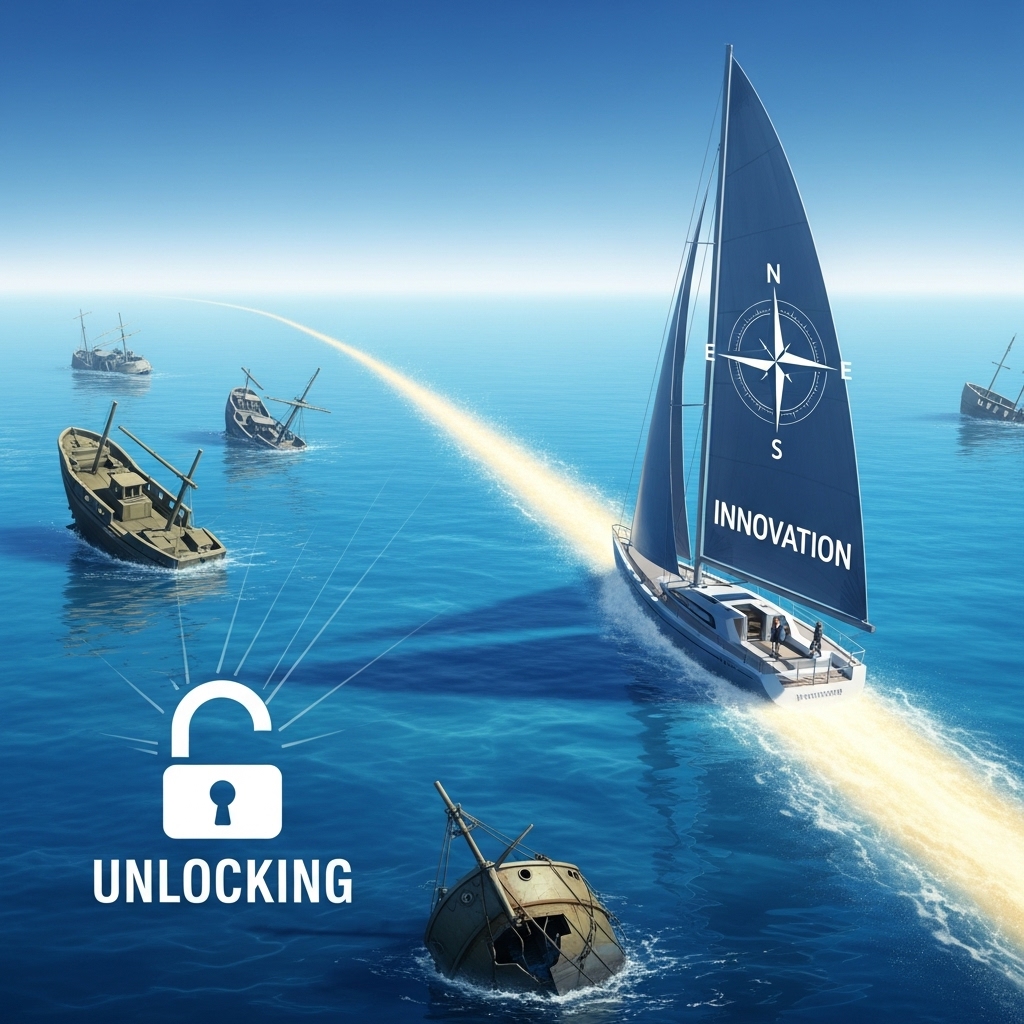
In the context of the Blue Ocean Strategy, the "red ocean" refers to the existing market space where companies compete with each other for market share. This competition can lead to a bloody and crowded market, where companies are forced to differentiate themselves through price and quality. On the other hand, the "blue ocean" refers to a new market space that is created by a company, where there is no competition. This new market space is characterized by a lack of competition, and the company that creates it has the opportunity to dominate the market and reap the benefits. The Blue Ocean Strategy is all about creating a blue ocean, rather than competing in a red ocean.
Key Principles of the Blue Ocean Strategy
The Blue Ocean Strategy is based on four key principles: reconstruct market boundaries, focus on the big picture, reach beyond existing demand, and get the strategic sequence right. Reconstructing market boundaries involves looking beyond the traditional boundaries of an industry and exploring new market spaces. Focusing on the big picture involves looking at the overall market, rather than just the company's own products or services. Reaching beyond existing demand involves identifying and creating new demand, rather than just competing for existing demand. Finally, getting the strategic sequence right involves identifying the right sequence of strategies to create a blue ocean.
Applying the Blue Ocean Strategy in Practice
There are many examples of companies that have successfully applied the Blue Ocean Strategy to achieve business success. For example, Cirque du Soleil created a blue ocean in the entertainment industry by combining circus and theater to create a new form of entertainment. Similarly, Netflix created a blue ocean in the video rental industry by offering a subscription-based service that allowed customers to rent DVDs by mail. These companies were able to create new market spaces and dominate them, rather than competing in existing markets. Other examples of companies that have applied the Blue Ocean Strategy include Apple, which created a blue ocean in the technology industry with its innovative products, and Southwest Airlines, which created a blue ocean in the airline industry with its low-cost, no-frills service.
Identifying and Creating New Demand
Identifying and creating new demand is a key aspect of the Blue Ocean Strategy. This involves looking beyond existing customer needs and identifying new needs that can be met through innovative products or services. For example, the company Casper created a blue ocean in the mattress industry by identifying a new need for affordable, high-quality mattresses that could be purchased online and delivered directly to customers. Similarly, the company Warby Parker created a blue ocean in the eyewear industry by identifying a new need for affordable, fashionable eyeglasses that could be purchased online and tried on at home. These companies were able to create new demand and dominate the market by offering innovative products and services that met the new needs of customers.
Overcoming Barriers to Creating a Blue Ocean
Creating a blue ocean is not without its challenges. There are many barriers that can prevent a company from creating a new market space, including lack of resources, lack of expertise, and lack of customer awareness. However, these barriers can be overcome with the right strategy and mindset. For example, a company can overcome a lack of resources by partnering with other companies or investors to gain access to the necessary resources. A company can overcome a lack of expertise by hiring experts or consultants who have experience in the relevant field. Finally, a company can overcome a lack of customer awareness by using innovative marketing and advertising strategies to raise awareness and create demand for the new product or service.
Conclusion
In conclusion, the Blue Ocean Strategy is a powerful approach to business that involves creating a new market space, or "blue ocean," where there is no competition. By applying the key principles of the Blue Ocean Strategy, including reconstructing market boundaries, focusing on the big picture, reaching beyond existing demand, and getting the strategic sequence right, companies can create new demand and dominate the market. While there are barriers to creating a blue ocean, these can be overcome with the right strategy and mindset. By following the examples of companies that have successfully applied the Blue Ocean Strategy, such as Cirque du Soleil, Netflix, and Apple, companies can unlock new markets and achieve business success.