
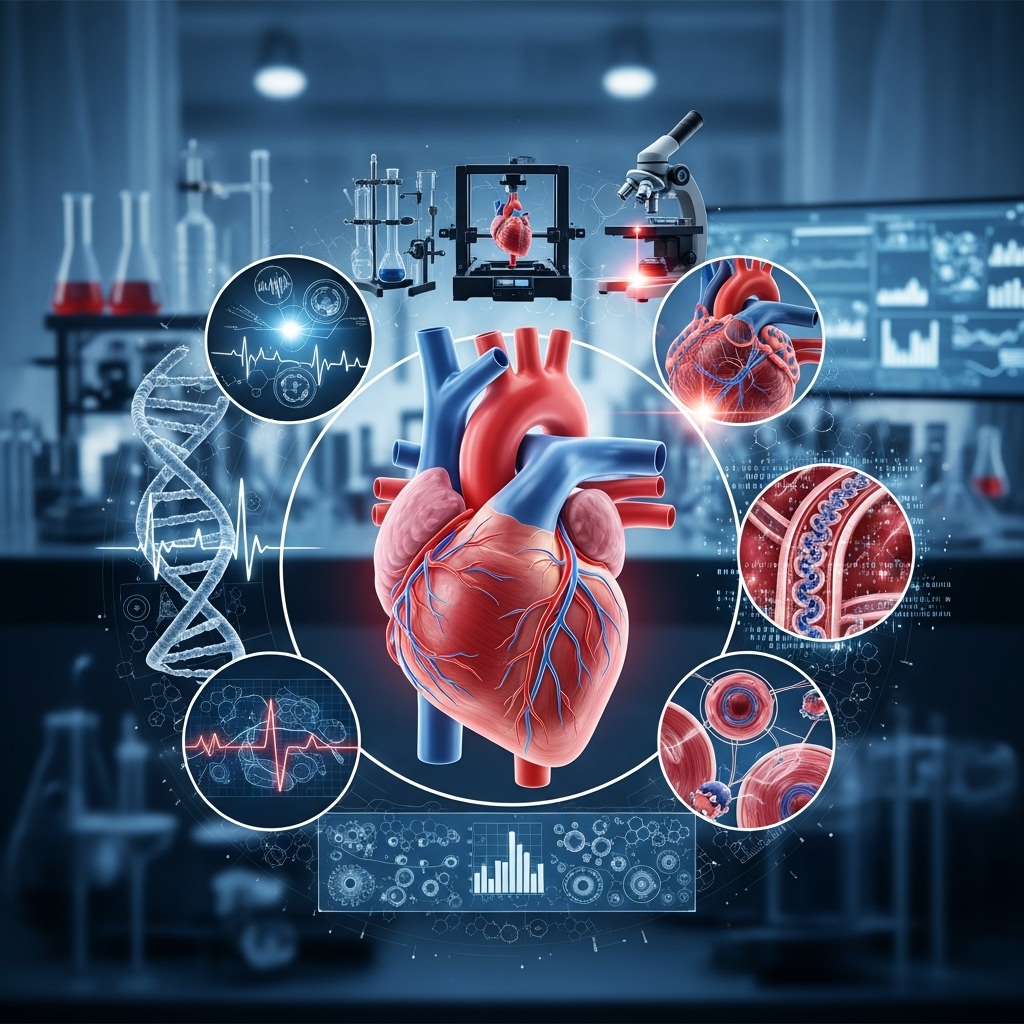
Introduction to Cardiovascular Physiology Research
The human heart is a complex and fascinating organ, responsible for pumping blood throughout the body and supplying oxygen and nutrients to tissues and organs. Despite its importance, the heart remains somewhat of an enigma, with many aspects of its function still not fully understood. In recent years, advances in cardiovascular physiology research have led to significant breakthroughs in our understanding of heart function, from the molecular mechanisms that regulate cardiac contraction to the systemic factors that influence cardiovascular health. This article will delve into the latest developments in cardiovascular physiology research, exploring the current state of knowledge and the exciting new directions that the field is taking.
The Basics of Heart Function
At its core, the heart is a muscular pump that uses electrical and mechanical signals to coordinate the contraction and relaxation of cardiac muscle cells, or cardiomyocytes. The heart's electrical conduction system, which includes the sinoatrial node, atrioventricular node, and ventricular conduction system, plays a critical role in regulating heart rate and rhythm. The cardiac cycle, which consists of diastole (filling) and systole (contraction), is controlled by a complex interplay of ion channels, pumps, and signaling pathways that ultimately determine cardiac output and blood pressure. Understanding these basic mechanisms is essential for appreciating the more advanced concepts in cardiovascular physiology research.
Advances in Cardiac Contraction and Relaxation
One area of significant progress in cardiovascular physiology research is the study of cardiac contraction and relaxation. Researchers have made major strides in understanding the molecular mechanisms that regulate the cardiac cycle, including the role of calcium handling, sarcomere function, and titin-based viscoelasticity. For example, studies have shown that alterations in calcium handling can lead to abnormal cardiac contraction and relaxation, contributing to conditions such as heart failure and arrhythmias. Furthermore, advances in imaging techniques, such as cardiac MRI and echocardiography, have enabled researchers to non-invasively assess cardiac function and identify early signs of disease.
Systemic Factors Influencing Cardiovascular Health
Cardiovascular health is influenced by a complex array of systemic factors, including lifestyle, genetics, and environmental exposures. The role of diet and exercise in maintaining cardiovascular health is well established, with a balanced diet rich in fruits, vegetables, and whole grains, and regular physical activity, shown to reduce the risk of cardiovascular disease. Additionally, research has highlighted the importance of stress management, social connections, and sleep quality in maintaining cardiovascular health. The gut-brain axis, which refers to the bidirectional communication network between the gut microbiome and the central nervous system, has also emerged as a key player in regulating cardiovascular function and disease.
Cardiovascular Disease and Pathophysiology
Cardiovascular disease, which includes conditions such as coronary artery disease, heart failure, and stroke, remains a leading cause of morbidity and mortality worldwide. Research has made significant progress in understanding the pathophysiology of cardiovascular disease, including the role of inflammation, oxidative stress, and endothelial dysfunction. For example, studies have shown that atherosclerosis, the underlying cause of coronary artery disease, is characterized by the accumulation of lipid-laden macrophages and the formation of foam cells, leading to plaque development and vascular remodeling. Understanding the molecular mechanisms underlying cardiovascular disease is essential for the development of effective therapeutic strategies and prevention programs.
Emerging Trends and Technologies in Cardiovascular Physiology Research
The field of cardiovascular physiology research is rapidly evolving, with emerging trends and technologies transforming our understanding of heart function and disease. Single-cell RNA sequencing, for example, has enabled researchers to profile the transcriptome of individual cardiac cells, revealing new insights into cardiac cell biology and heterogeneity. Additionally, advances in optogenetics and gene editing technologies, such as CRISPR/Cas9, have opened up new avenues for manipulating cardiac gene expression and function. The use of artificial intelligence and machine learning algorithms to analyze large datasets and predict cardiovascular risk is also becoming increasingly prevalent, with potential applications in personalized medicine and precision health.
Conclusion and Future Directions
In conclusion, advances in cardiovascular physiology research have significantly expanded our understanding of heart function and disease, from the molecular mechanisms that regulate cardiac contraction to the systemic factors that influence cardiovascular health. As the field continues to evolve, emerging trends and technologies will likely play an increasingly important role in shaping our understanding of cardiovascular physiology and disease. Future research directions may include the development of novel therapeutic strategies, such as gene therapy and regenerative medicine, as well as the integration of artificial intelligence and machine learning into clinical practice. Ultimately, a deeper understanding of cardiovascular physiology will enable the development of more effective prevention and treatment programs, improving cardiovascular health and reducing the burden of cardiovascular disease worldwide.