
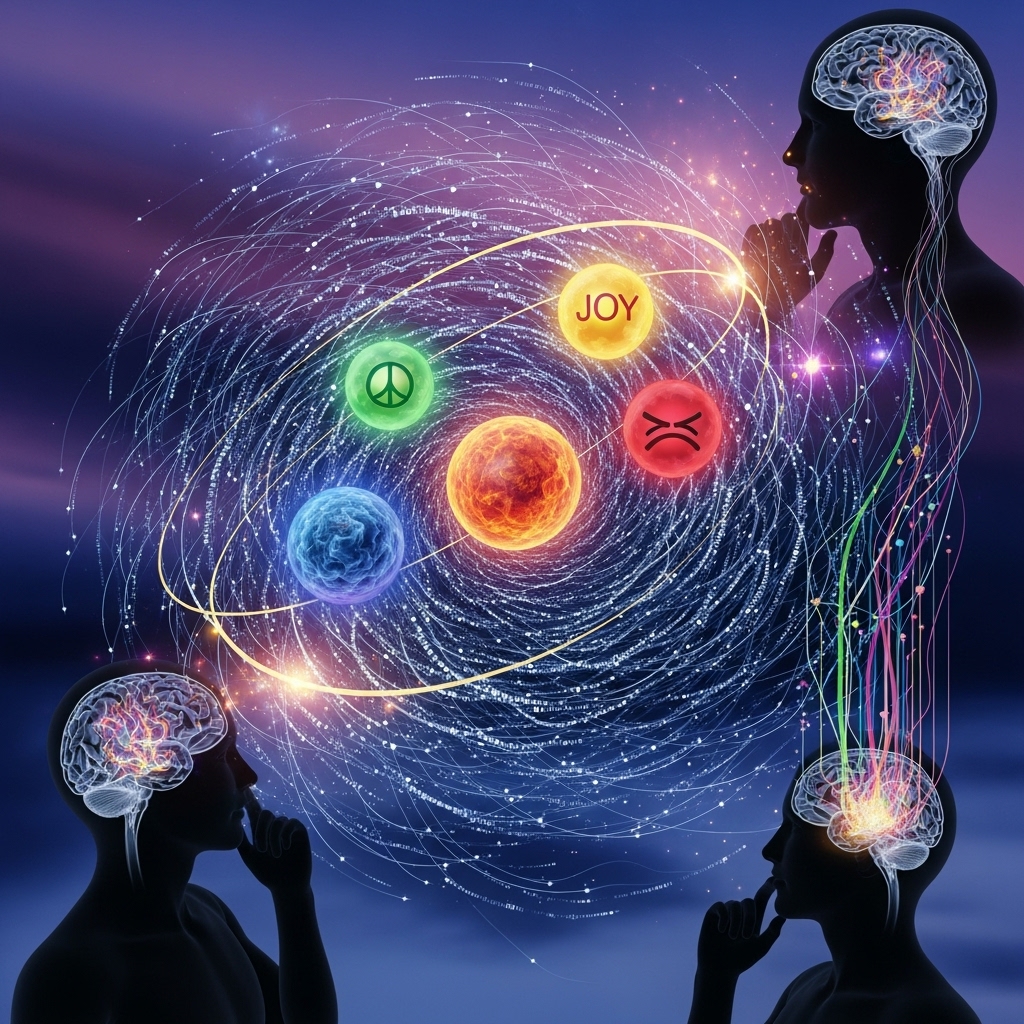
Introduction to the Human Mind
The human mind is a complex and mysterious entity that has fascinated philosophers, scientists, and thinkers for centuries. It is the source of our thoughts, emotions, and behaviors, and yet, it remains one of the least understood aspects of human nature. The human mind is a realm of contradictions, where logic and reason coexist with intuition and emotion, and where the conscious and subconscious interact in a delicate dance. In this article, we will embark on a journey to unravel the mysteries of the human mind, exploring the intricacies of thoughts and emotions, and delving into the depths of human consciousness.
The Conscious and Subconscious Mind
The human mind can be broadly divided into two categories: the conscious and subconscious mind. The conscious mind is the rational, logical part of our brain that processes information, makes decisions, and interacts with the external world. It is the part of our mind that we are aware of, and it is responsible for our thoughts, feelings, and actions. On the other hand, the subconscious mind is the part of our brain that operates beneath the surface of our awareness, influencing our thoughts, emotions, and behaviors without us even realizing it. The subconscious mind is responsible for our instincts, habits, and automatic responses, and it plays a significant role in shaping our personality and behavior.
For example, when we learn a new skill, such as playing a musical instrument or riding a bike, our conscious mind is actively engaged in the process. However, as we practice and become more proficient, the skill becomes automatic, and our subconscious mind takes over, allowing us to perform the task without conscious thought. This is an example of how the conscious and subconscious mind work together to facilitate learning and behavior.
Thoughts and Emotions: The Interplay
Thoughts and emotions are two fundamental aspects of the human mind that are intricately connected. Our thoughts can influence our emotions, and our emotions can, in turn, influence our thoughts. This interplay between thoughts and emotions is a complex process that can have a significant impact on our mental health and well-being. For instance, negative thoughts can lead to feelings of anxiety and depression, while positive thoughts can lead to feelings of happiness and joy.
A key concept in understanding the interplay between thoughts and emotions is the idea of cognitive-behavioral therapy (CBT). CBT suggests that our thoughts, feelings, and behaviors are interconnected, and that by changing one aspect, we can impact the others. For example, if we change our negative thoughts, we can reduce our feelings of anxiety and depression, and improve our overall mental health. This highlights the importance of being aware of our thoughts and emotions and taking steps to manage them in a healthy and constructive way.
The Power of Intuition
Intuition is a mysterious and often misunderstood aspect of the human mind. It refers to the ability to acquire knowledge or insight without conscious reasoning or deliberate thought. Intuition is often described as a "gut feeling" or a "hunch," and it can play a significant role in our decision-making processes. While intuition is not always reliable, it can be a powerful tool for navigating complex situations and making decisions.
For example, many successful entrepreneurs and business leaders attribute their success to their intuition. They may have a "feeling" about a particular investment or opportunity, and they trust their instincts to guide their decision-making. Similarly, artists and creatives often rely on their intuition to guide their creative process, allowing them to tap into their subconscious mind and access new ideas and inspiration.
The Role of Emotions in Decision-Making
Emotions play a significant role in our decision-making processes, often influencing our choices in subtle but powerful ways. While we like to think of ourselves as rational and logical beings, the truth is that emotions often drive our decisions, even when we are not aware of it. For instance, when we are faced with a difficult decision, our emotions can sway us towards one option or another, even if it is not the most rational choice.
A classic example of the role of emotions in decision-making is the concept of loss aversion. Loss aversion refers to the tendency to prefer avoiding losses to acquiring gains. For example, if we are given the option to either gain $100 or avoid losing $100, most of us would choose to avoid losing $100, even though the outcome is the same. This is because the fear of loss is a powerful emotional motivator that can drive our decision-making, often leading us to make irrational choices.
The Impact of Trauma on the Mind
Trauma can have a profound impact on the human mind, affecting our thoughts, emotions, and behaviors in complex and often subtle ways. Trauma can lead to the development of mental health conditions such as post-traumatic stress disorder (PTSD), anxiety, and depression, and it can also influence our relationships, work, and overall well-being. The impact of trauma on the mind is often long-lasting, and it can require professional help and support to overcome.
For example, someone who has experienced a traumatic event, such as a car accident or a violent attack, may develop PTSD, which can lead to flashbacks, nightmares, and avoidance of triggers that remind them of the event. In addition, trauma can also affect our emotional regulation, leading to mood swings, irritability, and difficulty managing stress. This highlights the importance of seeking help and support after a traumatic event, and working to process and integrate the experience in a healthy and constructive way.
Conclusion: Unraveling the Mysteries of the Human Mind
In conclusion, the human mind is a complex and mysterious entity that is still not fully understood. Through our journey into the realm of thoughts and emotions, we have seen the intricate interplay between the conscious and subconscious mind, the power of intuition, and the role of emotions in decision-making. We have also explored the impact of trauma on the mind and the importance of seeking help and support. By continuing to explore and understand the human mind, we can gain a deeper appreciation for the complexities of human nature and develop new strategies for improving our mental health and well-being.
Ultimately, unraveling the mysteries of the human mind is a lifelong journey that requires patience, curiosity, and a willingness to explore the unknown. By embracing this journey, we can gain a deeper understanding of ourselves and others, and develop a more compassionate and empathetic approach to human relationships. As we continue to explore the human mind, we may uncover new insights and discoveries that can help us navigate the complexities of human nature and improve our overall quality of life.